1:56
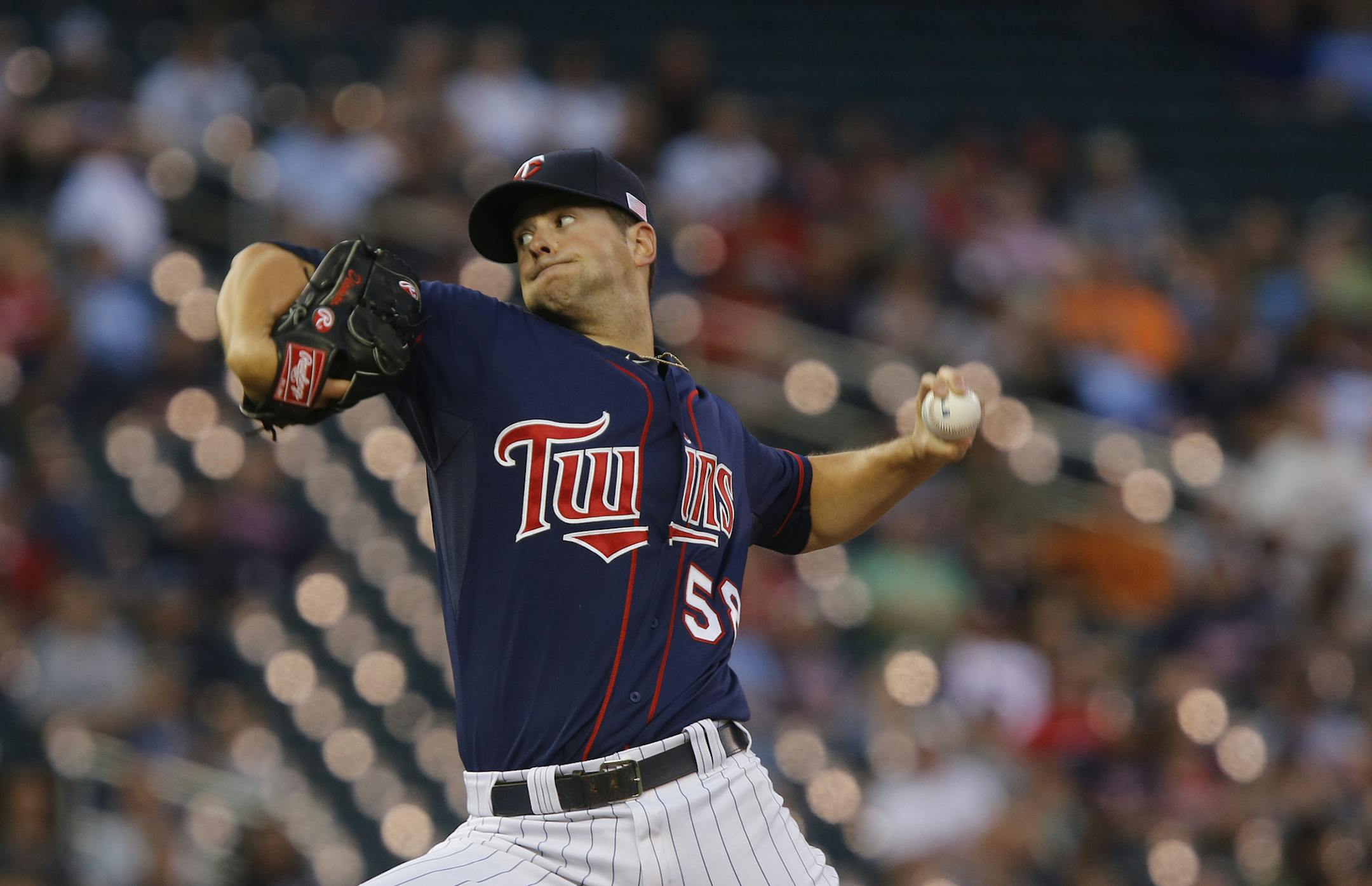
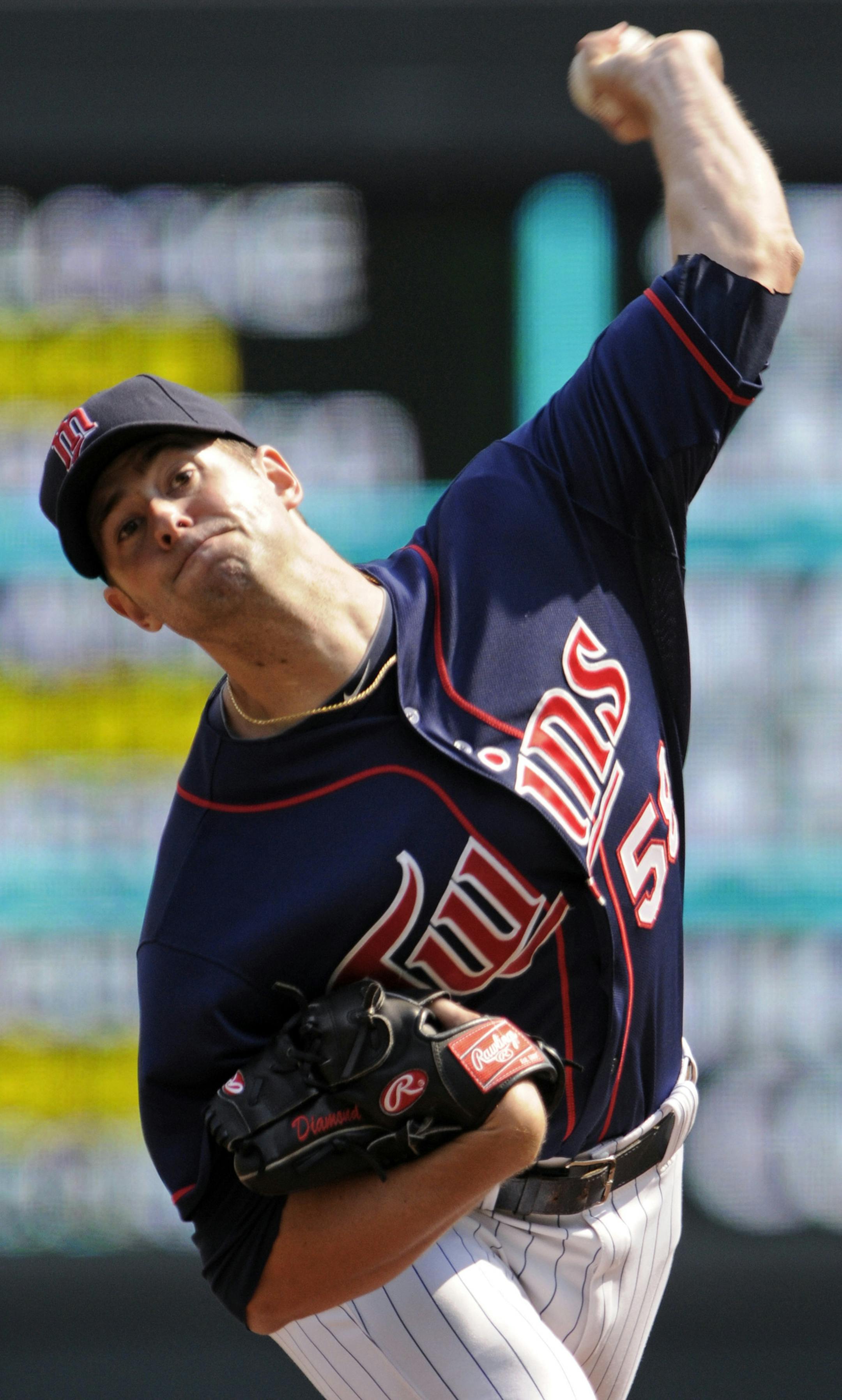
1:56Of course the Twins always believed Scott Diamond would eventually develop into an effective starter, perhaps even an ace. They had already watched the prototype — back in the 1991 World Series.
"We all said right away when we saw him, he looked like a Tom Glavine," Twins manager Ron Gardenhire said, referring to the 305-game winner. "He has the same type of windup, that same kind of feel for his pitches, and he's just gotten better and better. You could [picture] him in a Braves uniform."
You could, because he was Atlanta property until the Twins selected him in the Rule 5 draft in 2010. But good breeding by the major leagues' top pitching farm wasn't enough to make Diamond — who returns to the Twins rotation for his 2013 debut this weekend — a solid, reliable big-leaguer. No, that didn't happen until ... well, he wishes he knew.
He would like to point to an adjustment he made in his mechanics, or an instant when Pitching Mound Enlightenment arrived. He wants to be able to explain exactly when he figured out how to pitch.
"I don't think there really was an aha moment, though," Diamond said. "Mechanically, it all came together gradually. I always had a problem rushing the pitch, trying to throw as quick as I could. I learned to stay back more so I can get better extension, which helps the ball go down. And mentally, I just learned to believe in myself. I tried to look forward, not relive the past."
That's good, because after 2011, Diamond's first year with the Twins, it was hard to picture much Glavine-like success for him anymore. He went 4-14 at Class AAA Rochester, led the league in losses and posted a 5.56 ERA. He was going through a particularly bad stretch, losing six consecutive games with an 8.13 ERA, when he was called to Minneapolis as an emergency fill-in. And after finishing 1-5 in the big leagues, the Twins could be excused for believing Diamond was simply a failed experiment.
General Manager Terry Ryan figured that wasn't the real Diamond, though. "When you change organizations, it seems like it takes you a while to feel a part of it. It took him bit to feel like he was a part of the Twins," Ryan said. "It's a transition — different coaching, different cities, different philosophies, all that stuff. It's not just switching uniforms."
Besides, he and his manager agreed, few pitchers worked as hard on their craft as the young Canadian.