

When Syl Jones was a child, his doctor would carefully explain that if he didn't take his medicine, he wouldn't be able to go to school.
That was the worst kind of punishment for Syl, who loved school. His doctor knew that about him and thus explained his prescribed care in terms the schoolboy could grasp.
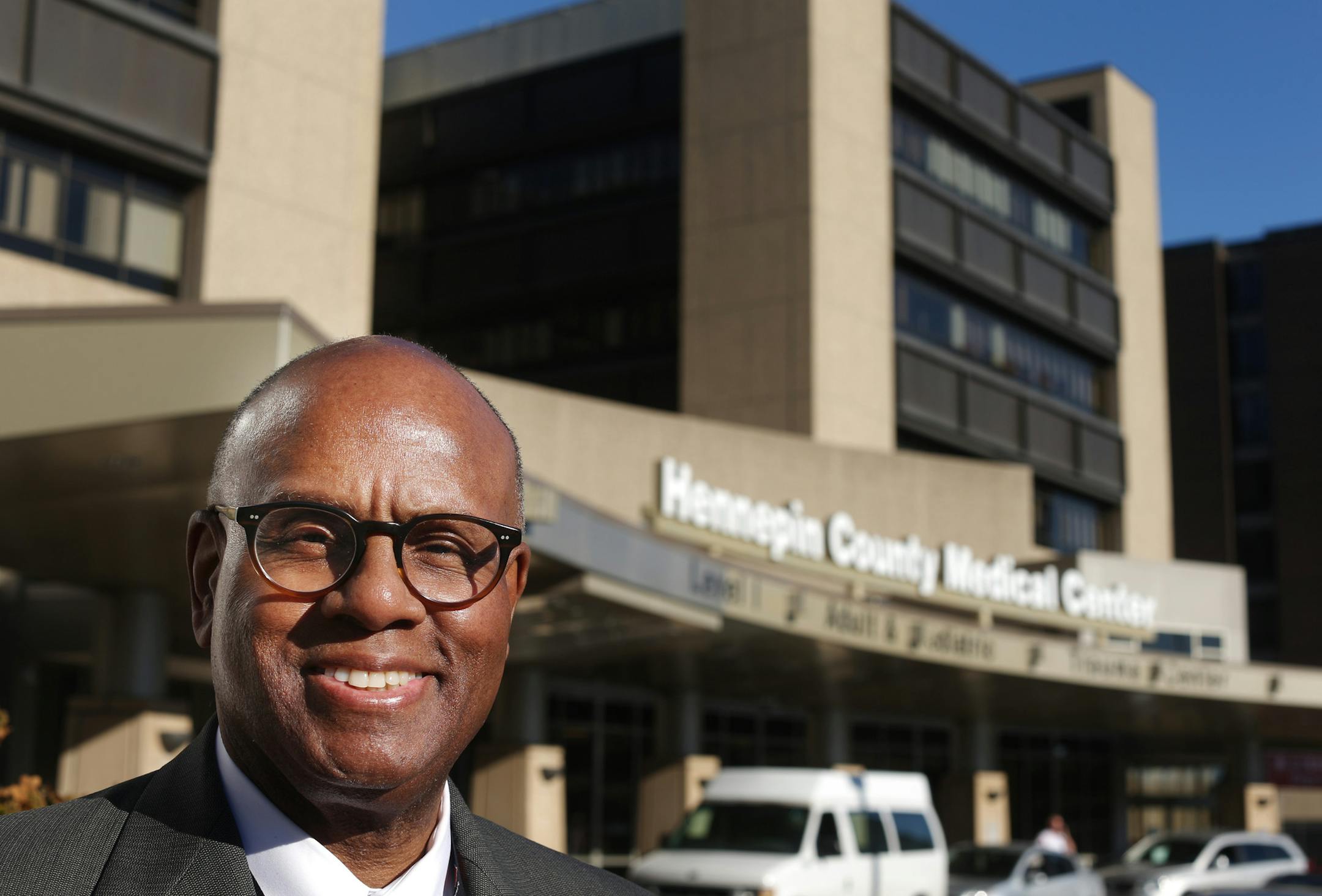
Jones, a longtime Twin Cities medical and creative writer, uses the anecdote to explain why he's spending the coming months and all of 2016 helping doctors at Hennepin County Medical Center in downtown Minneapolis, the state's largest safety-net and training hospital, learn to use narrative medicine. The work, the focus of Jones' Bush Fellowship, began in June.
"It's a little bit new and old," he said of narrative medicine. "It's not exactly cutting-edge stuff. … It's about combining the arts and sciences."
Columbia University in New York leads the field, offering a master's degree in narrative medicine that explores the patient-doctor connection. Jones is doing the same at HCMC.
The idea behind narrative medicine is that better understanding leads to better care. Raw transcripts of doctor-patient interactions show that providers routinely interrupt patients within the first 13 seconds, Jones said. "The patient doesn't get to tell the complete story," he said. "Patients tell you things that don't appear to have anything to do with their original complaint." Patients' fears compound the communication break, he said, adding "doctors don't learn to unravel complex conversations."
HCMC CEO Jon Pryor said Jones is working "to help us effectively partner with patients to improve the lives of those living with congestive heart failure. He specifically is telling our patients' stories to help us all improve care. He is also training … tomorrow's physicians."
Jones has led training sessions with psychiatry, family medicine and first-year residents, helping learners appreciate the value and importance of narrative medicine.


