

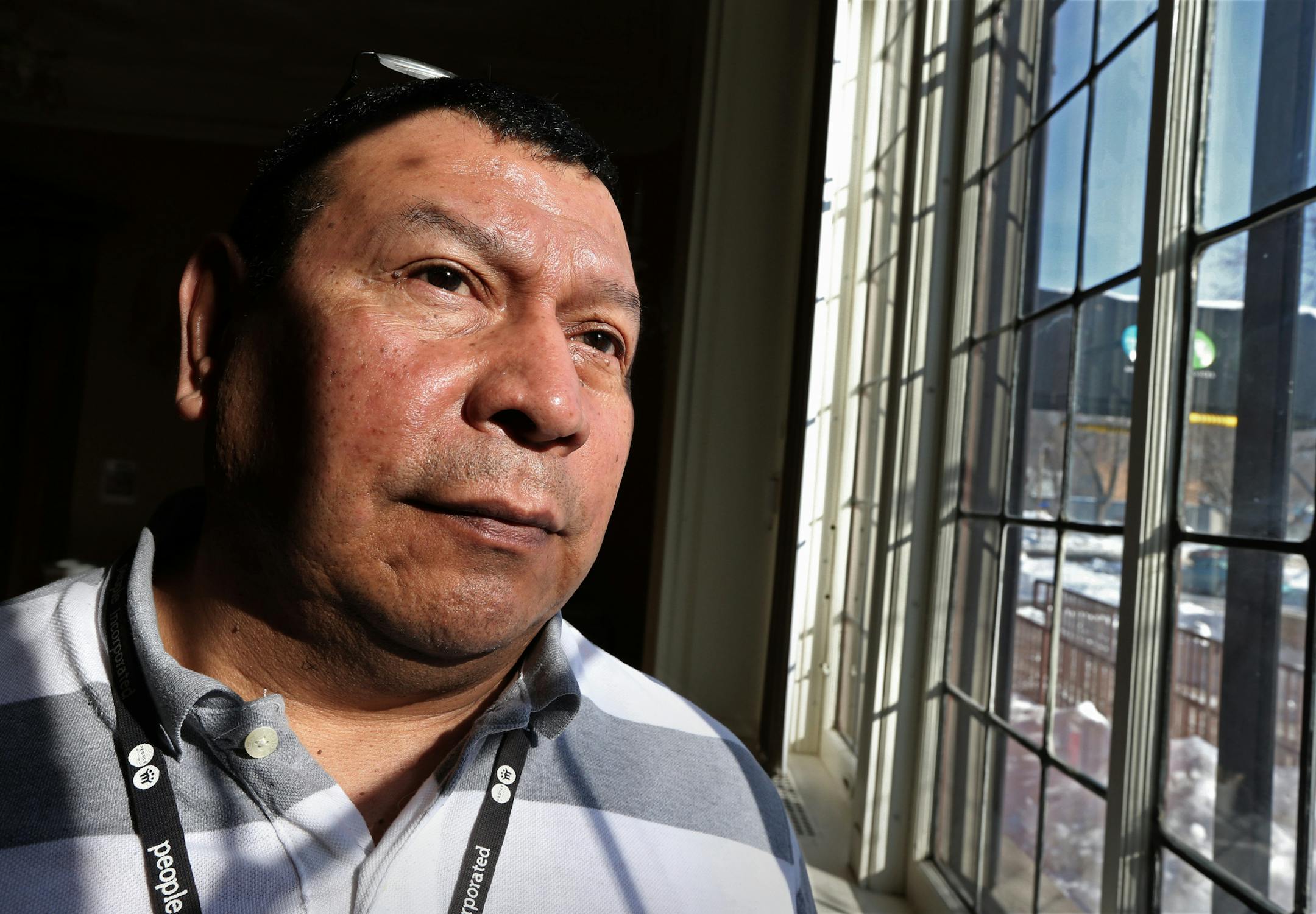
Albert Garcia's first psychotic break was bizarre — he awoke from a night of drinking and meth use 10 years ago to hear angry voices coming from people on the other side of a living room mirror — but it gives him credibility as he counsels others with severe mental illness.
"I can see it. I can feel it," said Garcia, 57. "I can actually feel the kind of fear they are going through."
Garcia is the most unorthodox member of a project created to help Twin Cities teens struggling with severe mental illness. The idea is to bring a team of professionals such as psychiatric nurses and drug counselors to teens' doorsteps, but also to connect them with "peer support" specialists such as Garcia who can relate to their struggles.
At a time when most counties in Minnesota suffer chronic shortages of mental health services and long waiting lists at residential psychiatric facilities, the goal of Assertive Community Treatment, or ACT, is to intervene early and keep teens from needing institutional care.
"This is really to see if we can catch those young people before they are inundated with the system, before they are in state mental health hospitals or … incarcerated," said Diane Ferreira, ACT program manager for People Incorporated, which is running one of four Minnesota teams formed to help young patients.
The ACT team approach has been used nationally to keep mentally ill adults from needing institutional care, or to expedite their moves out of institutions by giving them support back home. The latest Minnesota data show adults spending 60 percent less time in institutions the year after they receive ACT support compared with the year before.
"It isn't passive — someone saying 'I think I'll go see my social worker today.' It's the social worker going out to see them," said Sue Abderholden, executive director of the Minnesota chapter of the National Alliance on Mental Illness. "In a sense, it's a one-stop shop — but the shop is coming out to you."
But applying the approach to struggling teens is new in Minnesota and has been tried in only a handful of states.


