Michael Lovett doesn't need to watch the Dow Jones industrial average plummet on CNN to know the recession is deep and severe.
Lovett can simply talk to the elementary school lunch ladies who ladle out the food, chaperone recess and frequently hear kids voice fears when a parent loses a job or plans to move the family because of a job loss.
That's why Lovett, superintendent of White Bear Lake's schools, recently reached out to the community in a school newsletter, telling kids, parents, teachers and staff that if they are under financial pressure, the district may be able to help.
"If your family or a family you know is facing economic hardship, your school community is there to help," he wrote. "Families when confronted with lean times aren't always sure where to turn."
Lovett is among school leaders from across the metro watching the economic problems pile into their classrooms. From Forest Lake to Osseo, Richfield and Robbinsdale, schools are responding by seeking resources that families need. Sometimes it's a free lunch or school supplies, and sometimes it's help paying the rent so the family can stay in the district.
Schools have long doled out services for students from hardscrabble backgrounds through free lunch and breakfast programs, and nonprofit agencies have in recent years stepped in to help with backpacks and school supplies. But the amount and depth of the requests are changing, and schools are being more active in meeting needs.
More middle-class kids are having a harder time, says Marisa Zimmerman, a social worker at Richfield High School. Those students are often tougher to help because they are unaware of the available resources because they've never used them, she said.
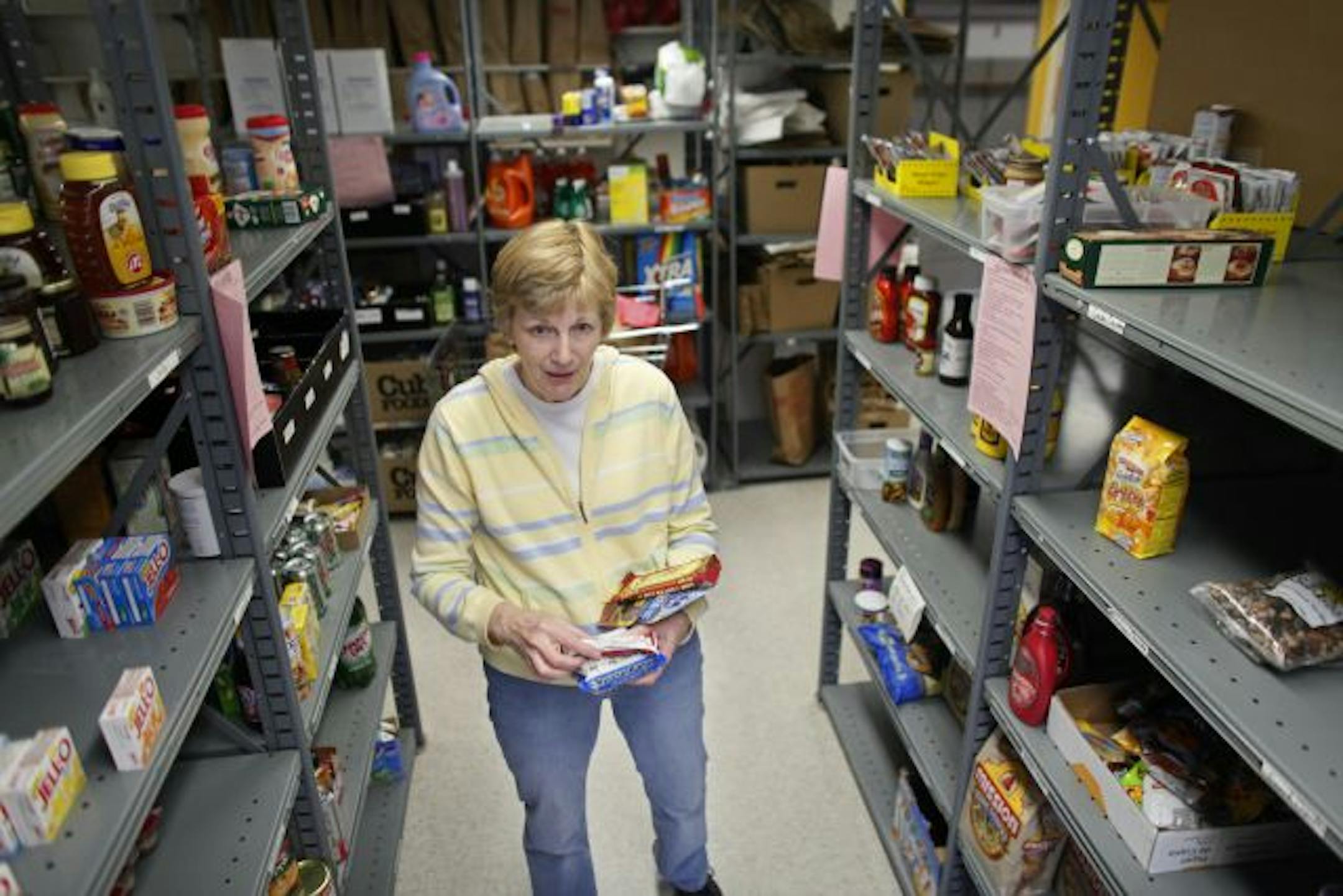
In the Mounds View school district, help often comes in the form of groceries, meted out at the Ralph Reeder Food Shelf, which is operated by the district.