

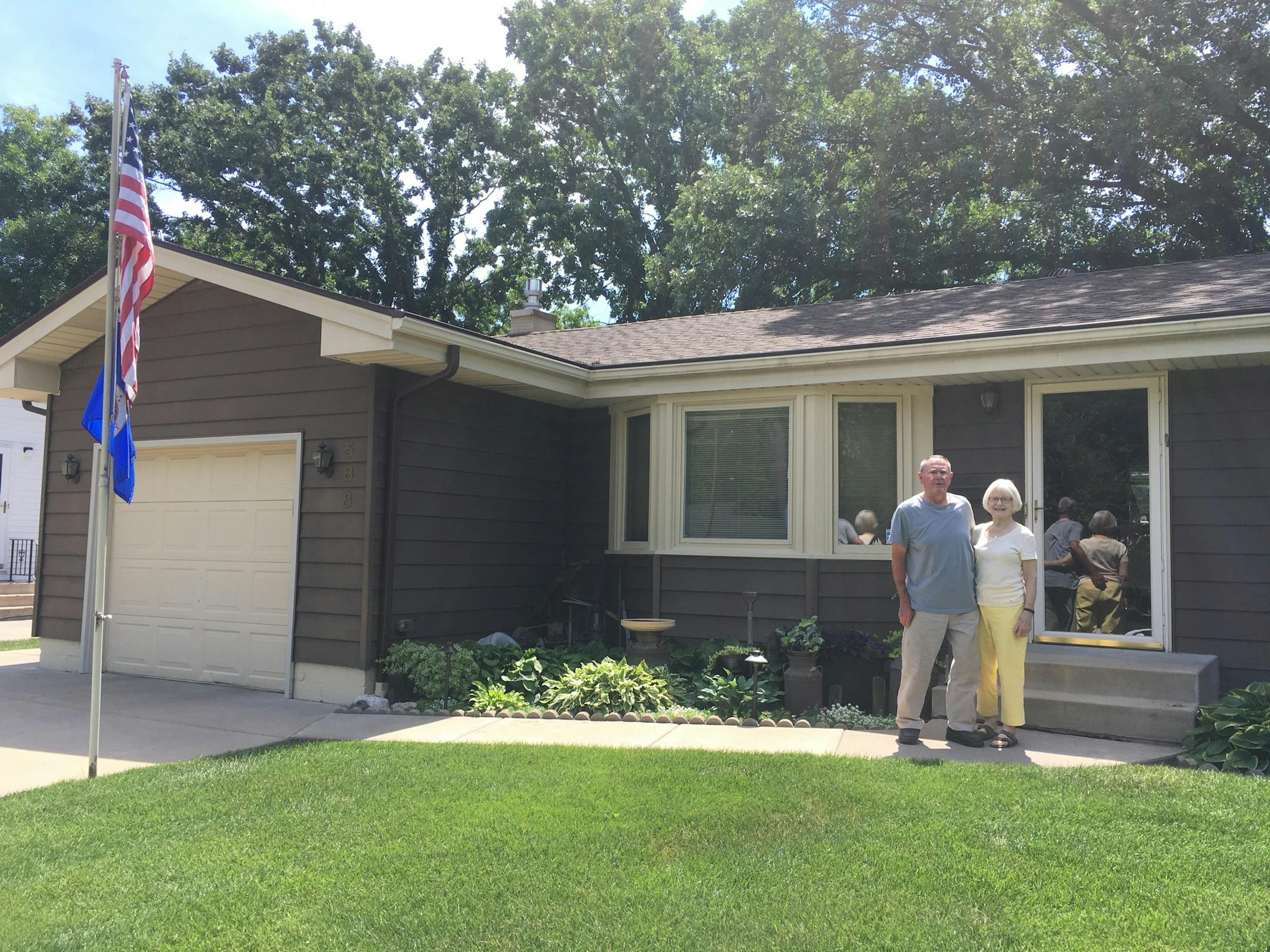
Maybe it's the lack of frills, the run-of-the-mill shape, the austere lines. Or maybe it's simply the sheer number of the low-slung houses, blanketing the suburban landscape like hardy ground cover.
But something about ramblers often stirs surprise and even skepticism when preservationists string them together with the word "historic."
As more ramblers pass the half-century mark, Minnesota historians want residents to know that their simple floor plans and Pepto Bismol-pink bathrooms have an important story to tell. Largely built in the decades following World War II, their age now makes them potentially eligible for the National Register of Historic Places.
"People that own those homes don't typically think of them as historic … because they are not necessarily architecturally unique," said Ginny Way, a National Register architectural historian in the State Historic Preservation Office. Still, she added, "it's hard to deny the importance of the largest building boom in U.S. history."
Some Twin Cities suburbs have been working in recent years to raise the profile of the no-nonsense rambler with presentations, grant or loan programs for home remodeling and advice on how to renovate them with history and preservation in mind.
Coon Rapids has held programs on the building quality of the suburb's famed Orrin Thompson homes, which popped up on pastureland in the 1950s and '60s.
And in Fridley, a new historic home and garden tour Sunday will call attention to the historic value of ramblers and why they remain appealing to current and prospective homeowners.
Unlike owners of Twin Cities bungalows or other housing types, few rambler owners have so far expressed interest in listing on the National Register, Way said, despite clearing the 50-year guideline for inclusion.


