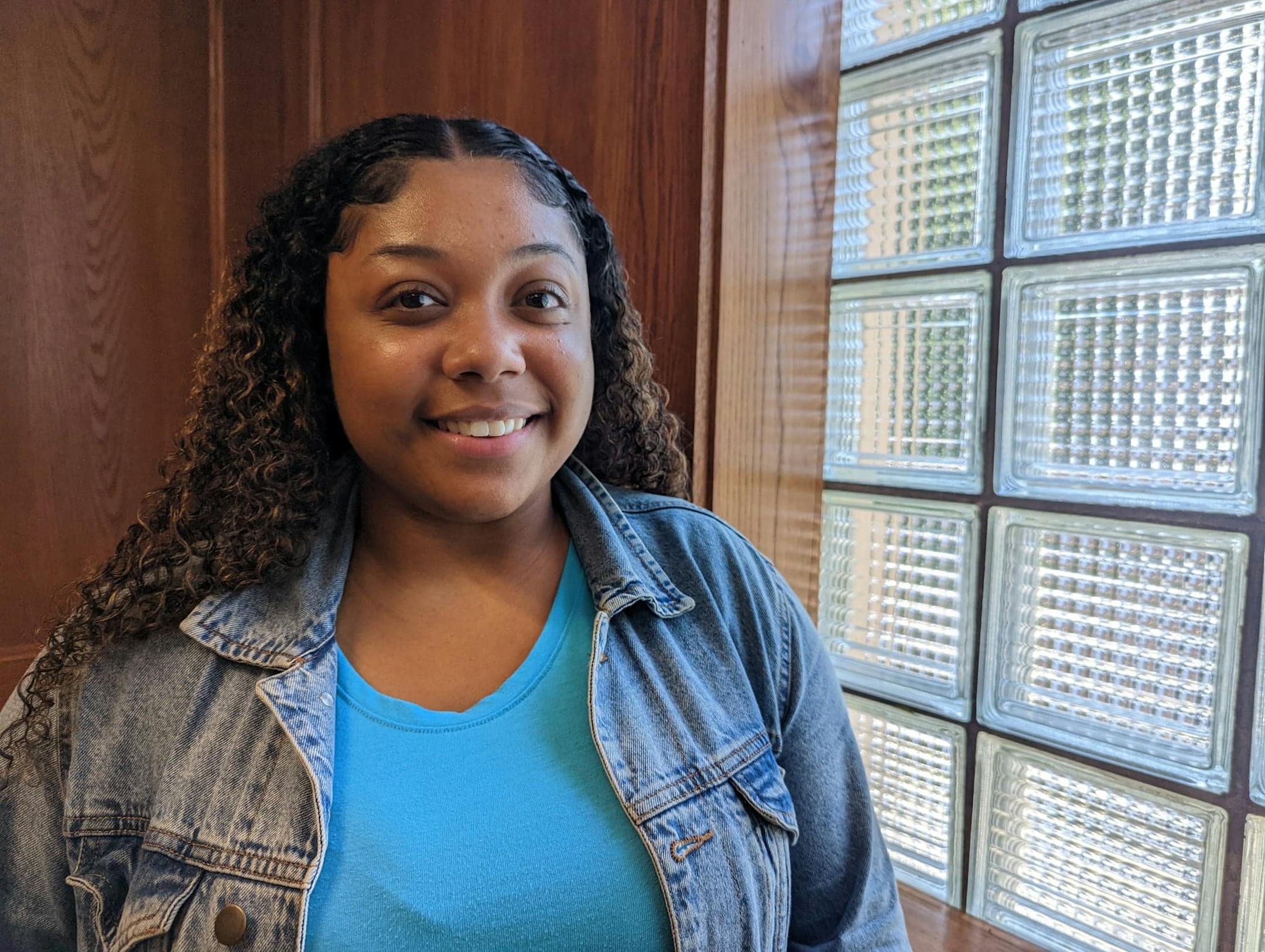
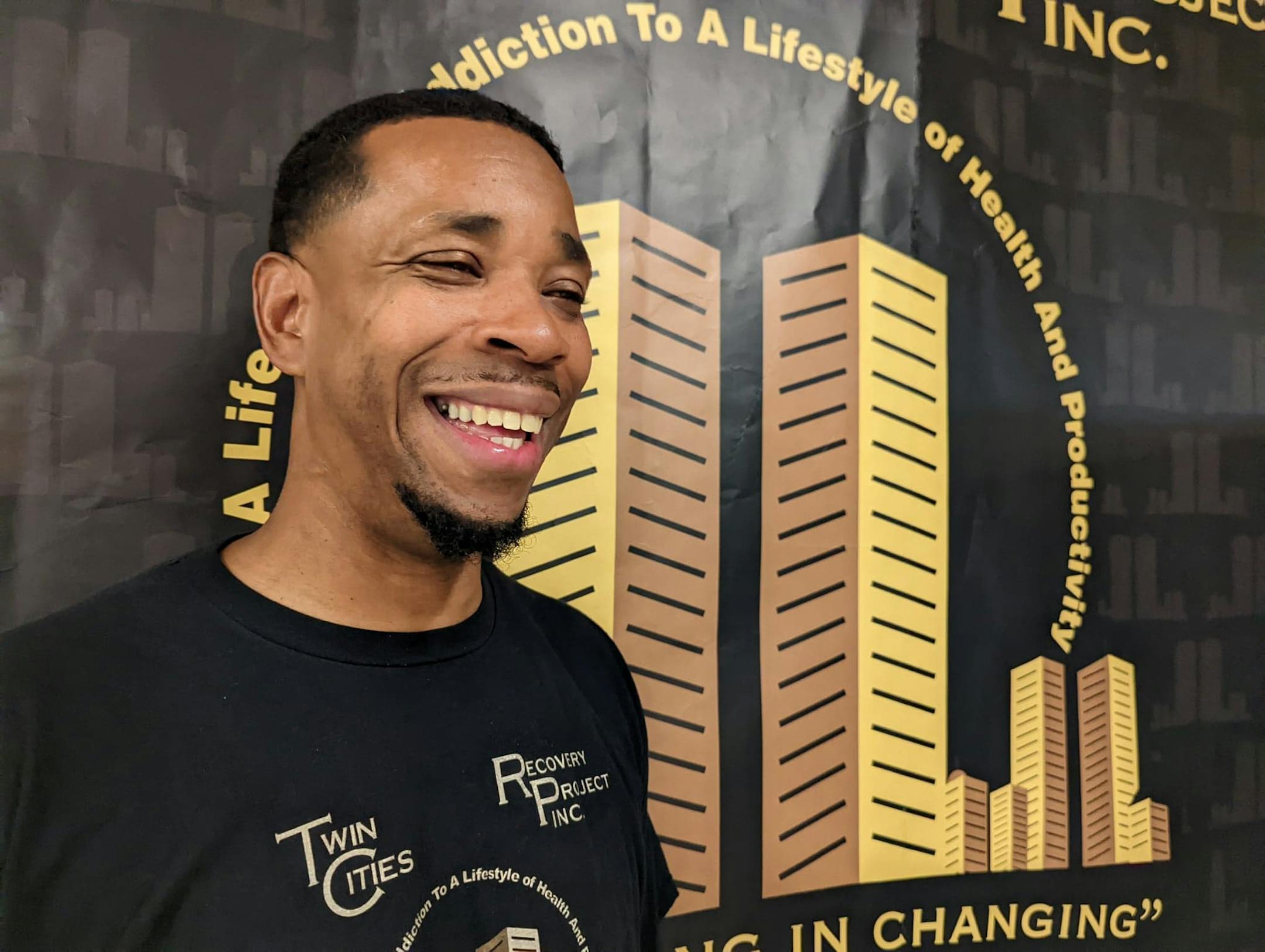
Christopher Burks moved to Minnesota years ago to find sobriety. For a long time, like many people recovering from drug addiction, he had trouble maintaining it.
Burks, 49, overdosed six times and relapsed many more over 25 years as he experimented with drugs like crack cocaine and methamphetamine. Things finally changed for the Ohio native, now a peer recovery specialist at the Twin Cities Recovery Project, when his granddaughter was born.
"Her mother asked me, 'What is your grandbaby going to call you?' because I was never around. Basically, 'Are you even going to be a part of your granddaughter's life?'" said Burks, measured and clear as he reminisces about painful memories. "I knew, right then and there, I needed to make a change."
Barriers to sobriety often include the inability to secure a job and build a community of others fighting addiction — things Burks found by connecting to the Recovery Project. It's a societal challenge more glaring than ever as a surge in opioid overdoses, driven by the powerful synthetic drug fentanyl, is killing residents in the Twin Cities at a rising rate.
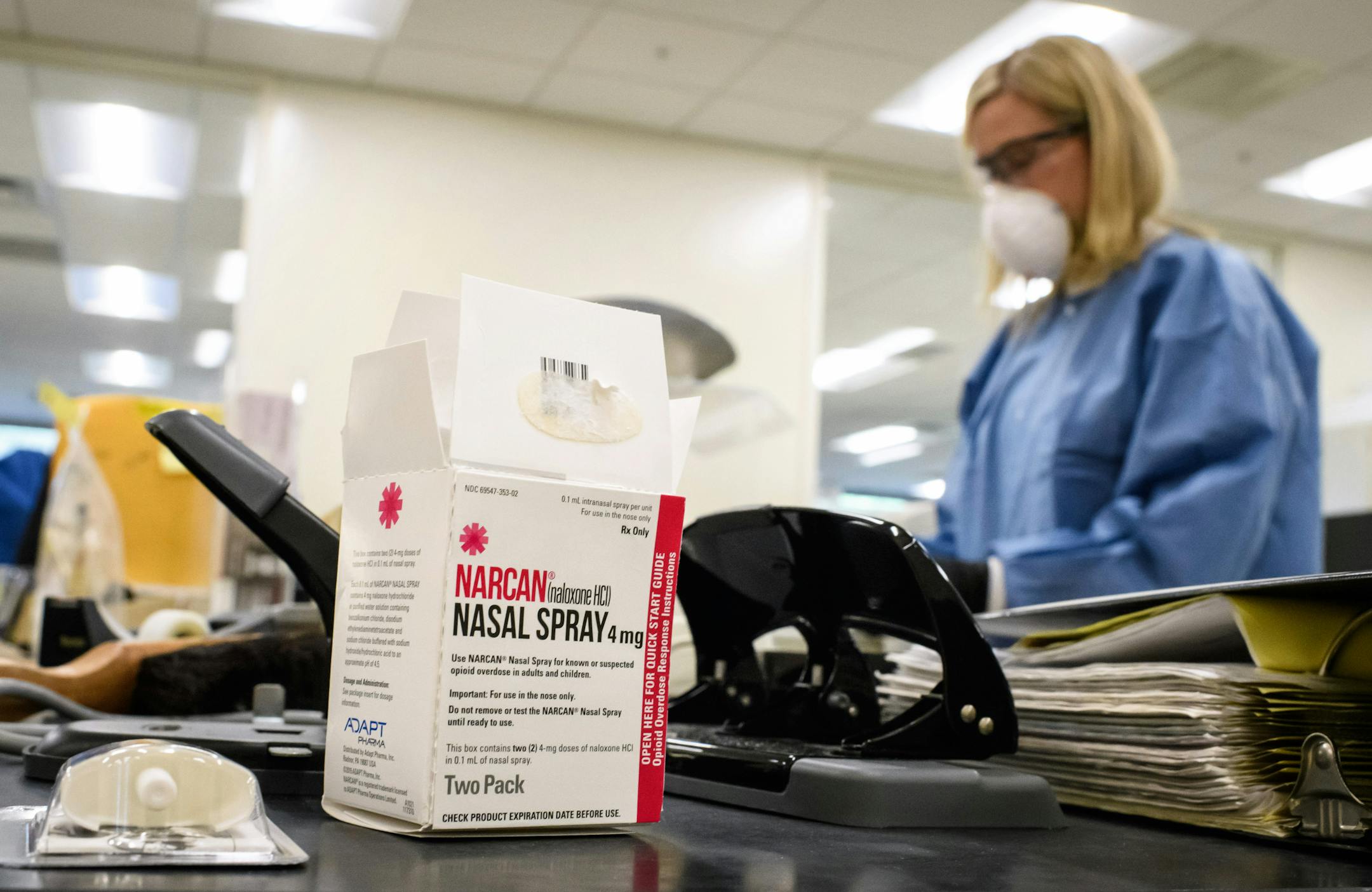
Burks carries bottles of naloxone, a synthetic drug used to revive people overdosing on narcotics, everywhere he goes. He's seen multiple people overdosing in the Twin Cities, and says that some members of the Twin Cities Recovery Project have used naloxone to save others.
A growing number of emergency workers now do the same.
In an Oct. 7 news release, Minneapolis officials said there have been 2,113 overdoses so far this year. At least 108 people have died from such overdoses. That's compared to a total of 2,283 overdoses and 197 overdose deaths in 2021. A Minneapolis news release said the city is leaning into drug abuse prevention and education in response to the surge.
City data show drug overdoses in St. Paul — both fatal and nonfatal — have been gradually climbing the past handful of years, with police responding to more overdose calls than pre-pandemic and EMS administering more naloxone to people on opioids.