
Twin Cities German Immersion School names new leader

The move comes after hard-fought expansion.

May 27, 2021 at 6:55PM
573508098
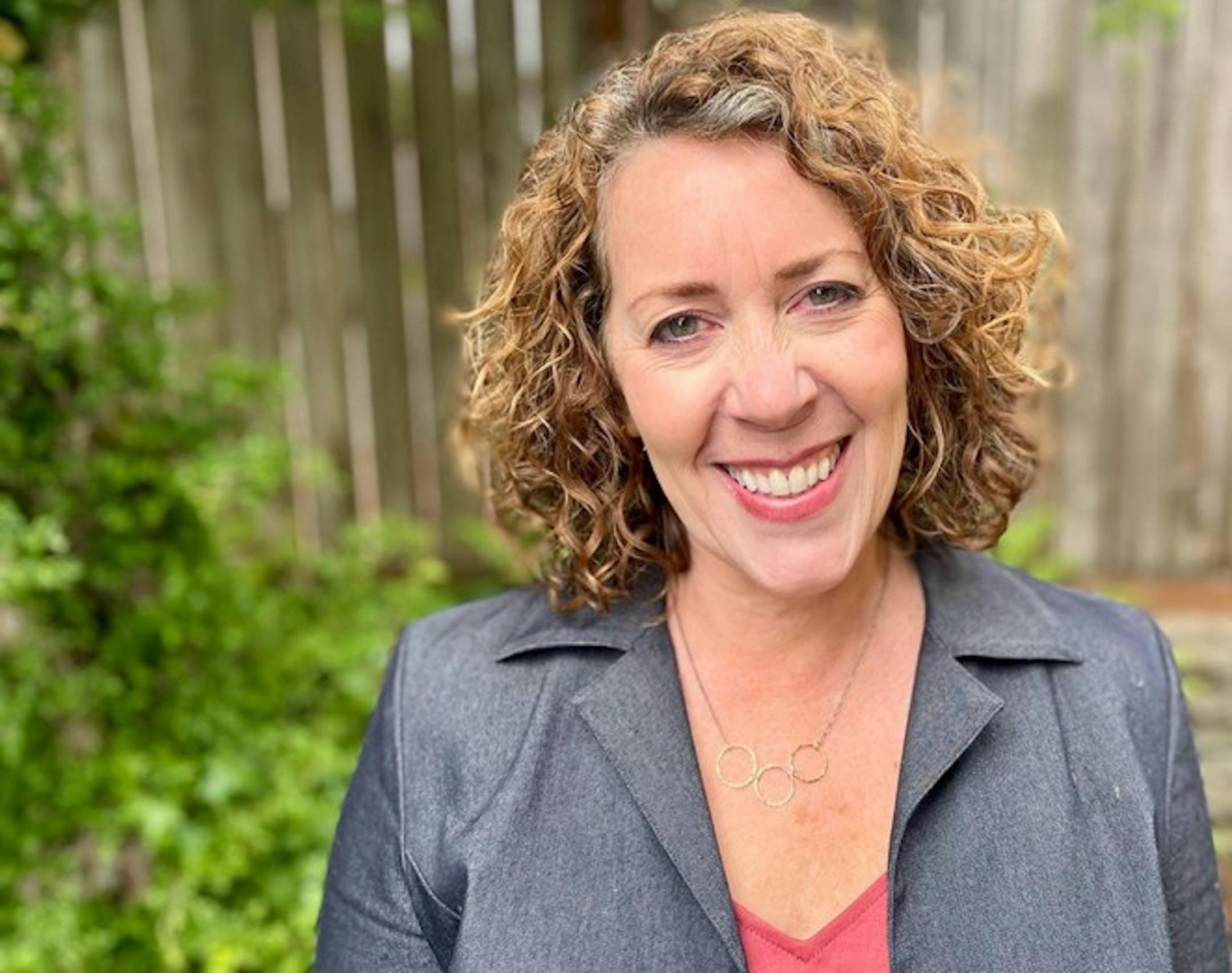
Kirsten Christensen will be the executive director of Twin Cities German Immersion School beginning July 26, 2021. (Twin Cities German Immersion School/The Minnesota Star Tribune)

A St. Paul charter school that overcame opposition to a new addition — only to see use of the space limited this year by the pandemic — has a new executive director.

Kirsten Christensen will take the helm of Twin Cities German Immersion School (TCGIS) on July 26.

She has worked for more than 30 years in higher education, most recently at Pacific Lutheran University in Tacoma, Wash. She holds the title of professor of German and helped found and direct the university's Holocaust and Genocide Studies Program, a charter school news release states.

"What attracts me to TCGIS is the centering of German in the education of the whole child," Christensen said in the statement. "By teaching in German, we are equipping students to understand the language of the countries that are the political and economic heart of contemporary Europe."

Board Member Dianne Bell said this week that Christensen also worked at the U.S. Embassy in East Berlin in the late 1980s and that she shared with board members the experience of seeing the Berlin Wall fall in November 1989.

"She said she had a front-row seat to history," Bell said.

Christensen succeeds Ted Anderson, who said in January he was resigning as executive director effective June 30. Her starting salary is $125,000.

Twin Cities German Immersion is now in its 15th year, and serves kindergartners through eighth-graders. Its students are mostly white and the school boasts strong standardized test scores. But it is perhaps best known recently for its battle to build a new addition in the Como neighborhood — a move that required demolition of the former St. Andrew's Catholic Church.
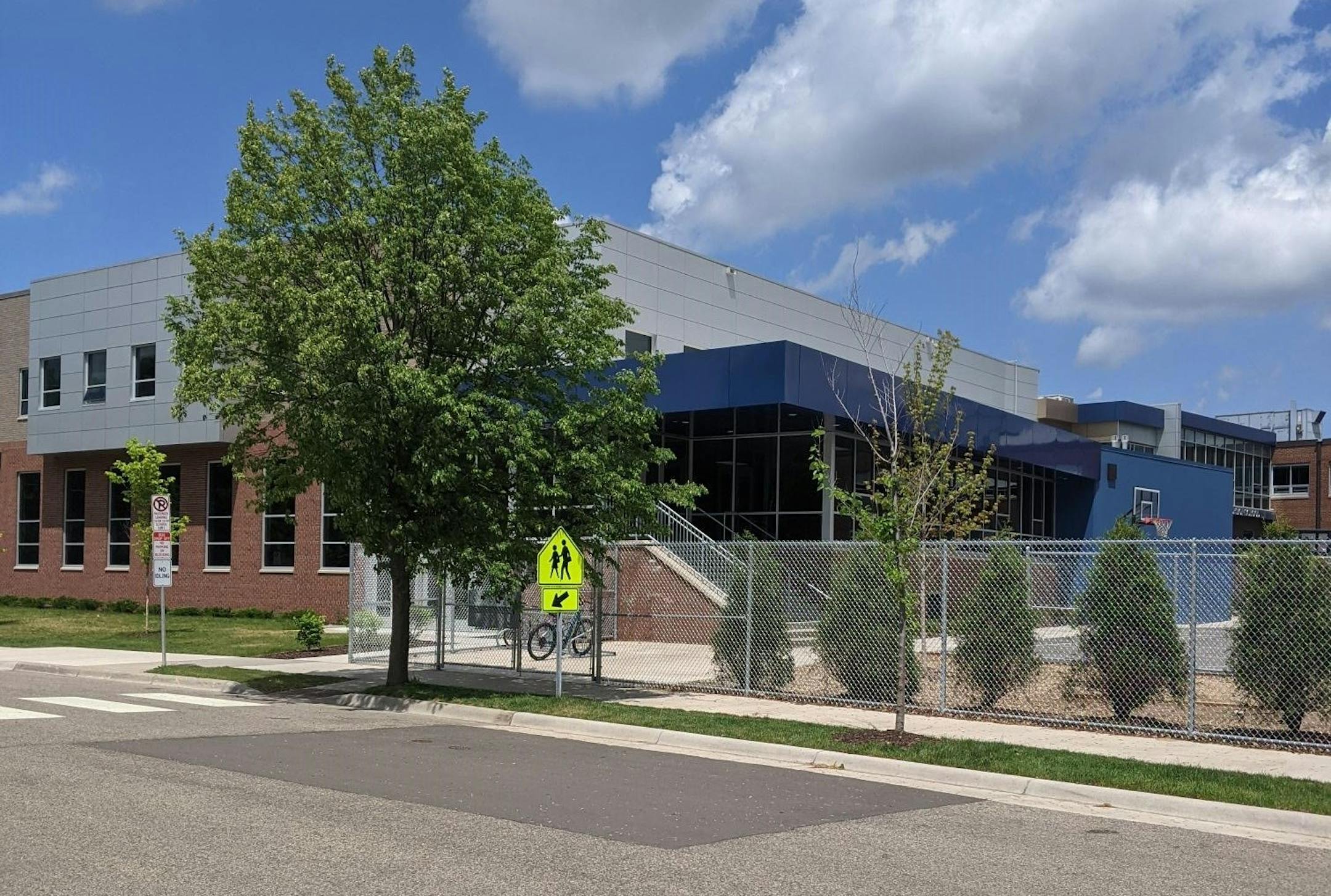
A monthslong preservation fight ended in 2019. But when the new classrooms and gleaming gymnasium and cafeteria spaces were completed in August, students were due to be spending the bulk of their time learning remotely. It was not until Feb. 16 and March 1 when students in grades K-4 and then 5-8 were back in school four days a week.

Enrollment fell as many families turned to home schooling and private school options.

The school has 586 students — down from 621 last July, Bell said. But it avoided a deficit, she added, and is budgeting for 612 kids in 2021-22. The school is set to receive a total of $269,741 in federal and state COVID relief funds, according to state data.

School administrators and teachers knew teaching German remotely would be a challenge. But they point to some successes.

A German enrichment page was added to the school's website with links to content ensuring kids heard German at home. The school also began conducting workshops and conferences with educators at other German immersion schools.

Bell said she has not detected any lingering animosity over the church's demolition. During a recent weekend meeting attended remotely by Christensen, she said she looked outside and saw kids taking up the school's invitation to use its outdoor play area.

Anthony Lonetree • 612-673-4109

573508099
Twin Cities German Immersion School in the Como neighborhood of St. Paul serves kindergartners through eighth-graders. (ANTHONY LONETREe • Star Tribune/The Minnesota Star Tribune)
about the writer

about the writer

Anthony Lonetree

Reporter

Anthony Lonetree has been covering St. Paul Public Schools and general K-12 issues for the Star Tribune since 2012-13. He began work in the paper's St. Paul bureau in 1987 and was the City Hall reporter for five years before moving to various education, public safety and suburban beats.

See Moreicon