The pandemic has altered the professional lives of nearly everyone working in the restaurant industry.
Take Alex Dayton and Matt Kappra. Between them, they probably have more than 20 years of experience in restaurant kitchens. Heck, they even met in a restaurant kitchen (Cocina del Barrio, in Edina) and after striking up a friendship, they became brothers-in-law; their wives — Katelyn Dayton and Megan Sheridan — are sisters.
Now they're business partners, and their spouses are contributing their management and marketing smarts. Dayton and Kappra are leasing space in a restaurant — Kieran's Kitchen Northeast in Minneapolis — but they're not following the traditional restaurant model. And that's by design.
"I'm not saying anything new when I say that the restaurant model is tough," said Kappra. "It was tough before the pandemic, and it's become even more difficult."
The two had long talked about going into business together, and decided to use the pandemic-related upheaval as an opportunity to do just that — and to improve their work-life balance. That's often an elusive goal in the stressful, demanding and physically exhausting restaurant world.
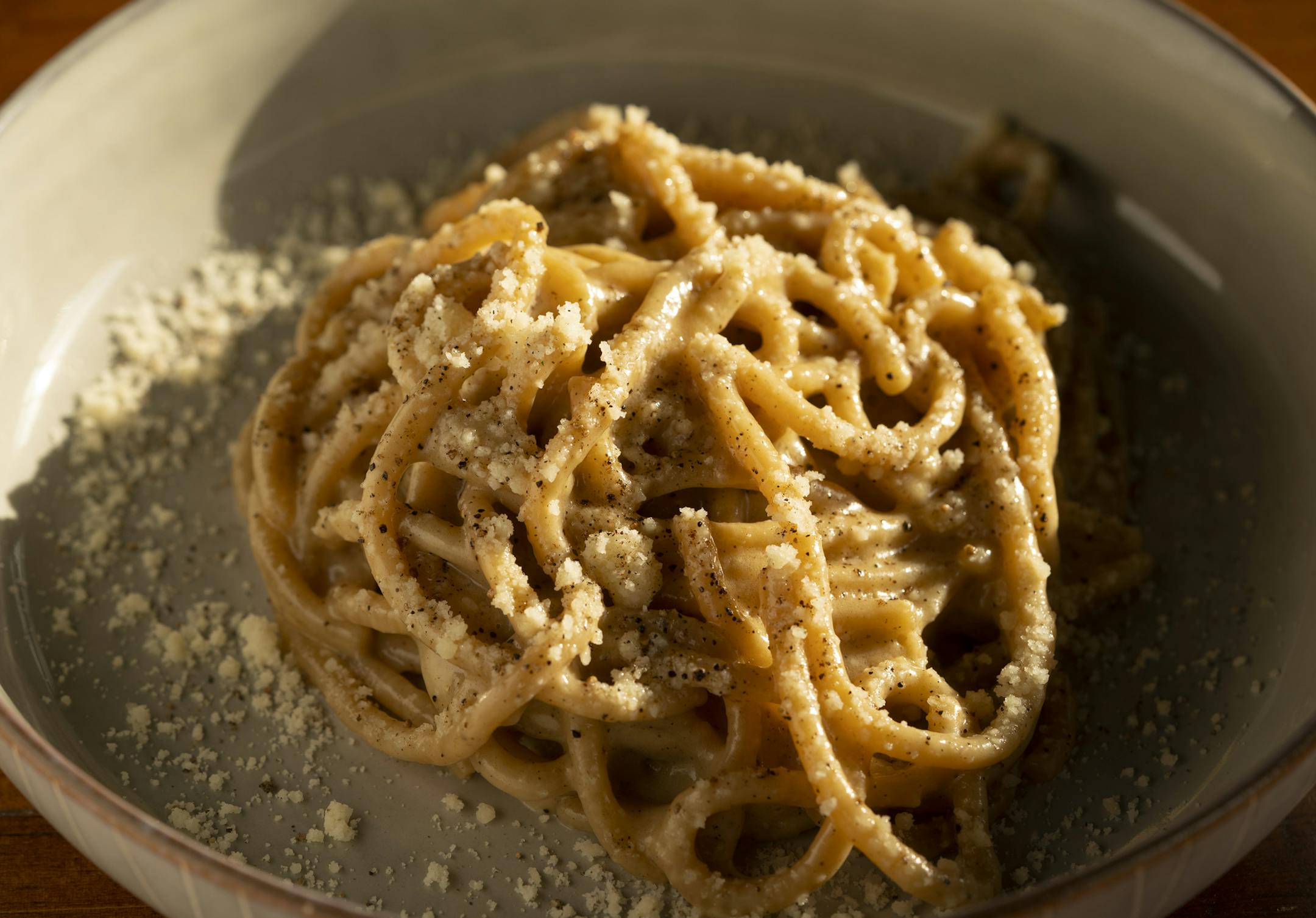
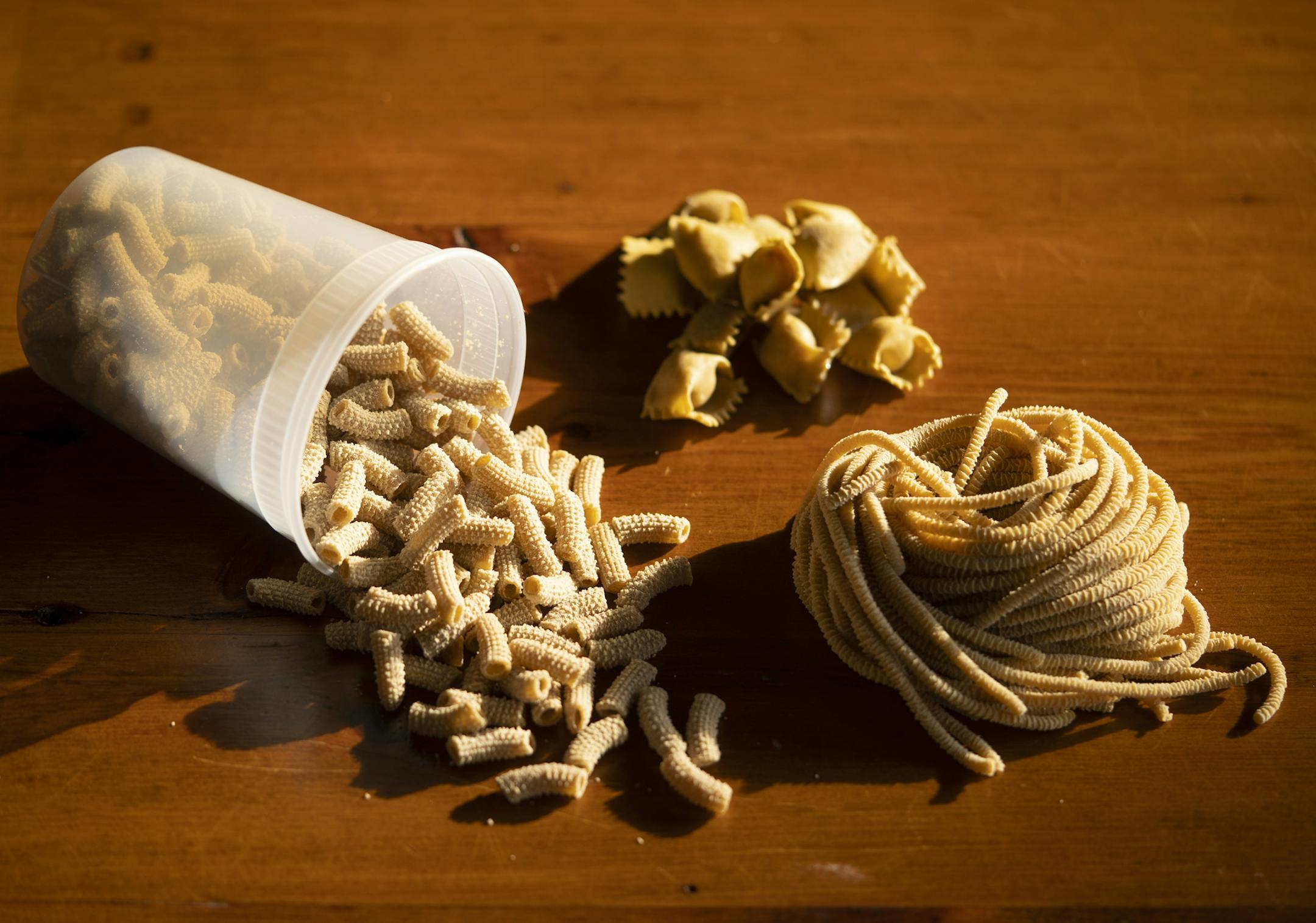
Pasta, sold directly to consumers, would be the key. Specifically, fresh pasta, crafted using top-shelf ingredients that are sourced locally and treated with reverence. They christened their enterprise with a spot-on name: Aliment.
"It means, 'to nourish,' " said Dayton. "We just love to cook for people, and make people happy. And we want to be nourished, as well."
Evolution is a major component of the Aliment business plan. When it debuted in July, the company embraced the CSA model, with customers paying upfront for monthly installments. It was a way to raise some much-needed working capital while smoothing out any production kinks.
![Matt Kappra, left, with Alex Dayton of Aliment Pasta Co. ] JEFF WHEELER • jeff.wheeler@startribune.com](https://arc.stimg.co/startribunemedia/M2DQBFIG5UBB56VX4BCOZC5T2A.jpg?&w=1080)