

The best and worst thing about living in a dynamic metropolitan setting is the constancy of change; somebody is always tearing down something and building something else.
City dwellers find the view from their sixth-floor balcony radically altered by the 20-story building going up nearby. And now suburbanites, even in established, tucked-away neighborhoods, find their woods and meadows dotted with small clusters of new houses.
It's a change that's not often welcomed by deep-rooted homeowners who have long assumed that their surroundings were somehow locked in. But the revived housing market is coming back in unexpected ways: The appeal of the far-flung suburbs has faded, replaced by a pent-up desire to fill in the "blank spots" in established communities.
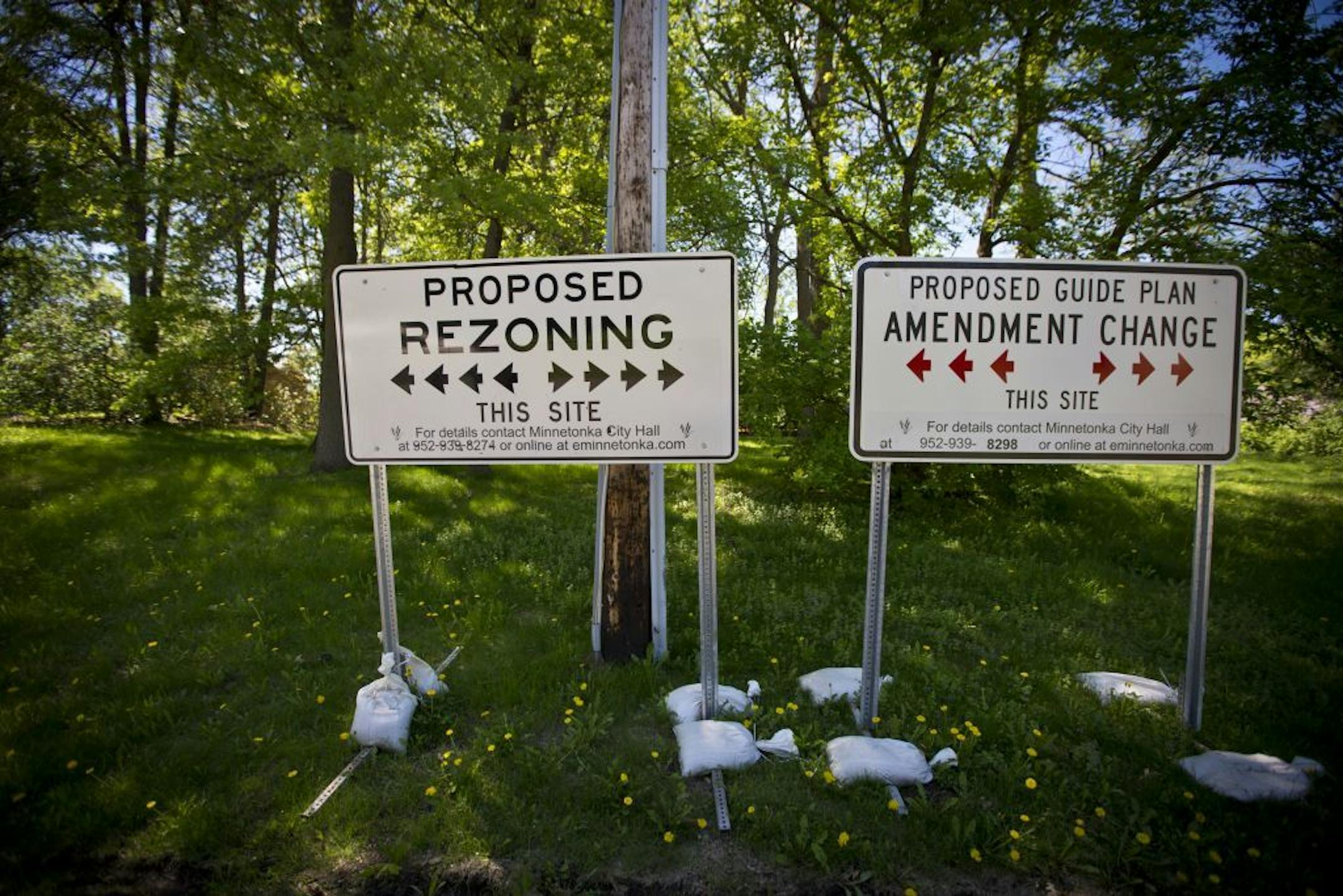
Minnetonka is just one of a number of attractive second-ring suburbs feeling the pressure. Facing a wave of complaint about redevelopment, the City Council has scheduled a work session next month to consider the trends, explore the options and decide how to adjust — or whether to adjust — to the changing market. Its decisions could inform other suburbs facing similar situations.
Not incorporated until 1956, Minnetonka was laid out mainly in the 1960s on large, oddly shaped lots that followed the flow of the woods, wetlands and rolling terrain. Raspberry patches and horse farms quickly gave way to classic postwar ramblers, and then to larger two-story homes after sewer and water services arrived in the 1970s. All the while, the city was careful to maintain its ideal of large, wooded lots, winding roads and natural areas.
While the town's residential character remains largely intact, its population, as in many inner suburbs, is rapidly aging. Since 1990, its over-55 cohort has nearly doubled. Some older residents with large holdings, hoping to supplement their retirements, have decided to subdivide their lots for new homes, partly because home sites in attractive suburbs are in such high demand.
Unstable gas prices, a desire to be closer to urban amenities and a preference among older and younger homeowners for smaller, easier-to-maintain lots appear to be driving the market shift. The 2010 census showed the Twin Cities following a national trend, with the outer metro counties losing growth momentum to counties at the urban core.
The trend toward density poses a classic confrontation: private property rights vs. preservationists who regard many of the new homes as out of scale with the traditional landscape and much of the new mixed-use redevelopment along commercial corridors as too intense. "We need a better consensus on what's the proper balance," said Minnetonka Mayor Terry Schneider.


