

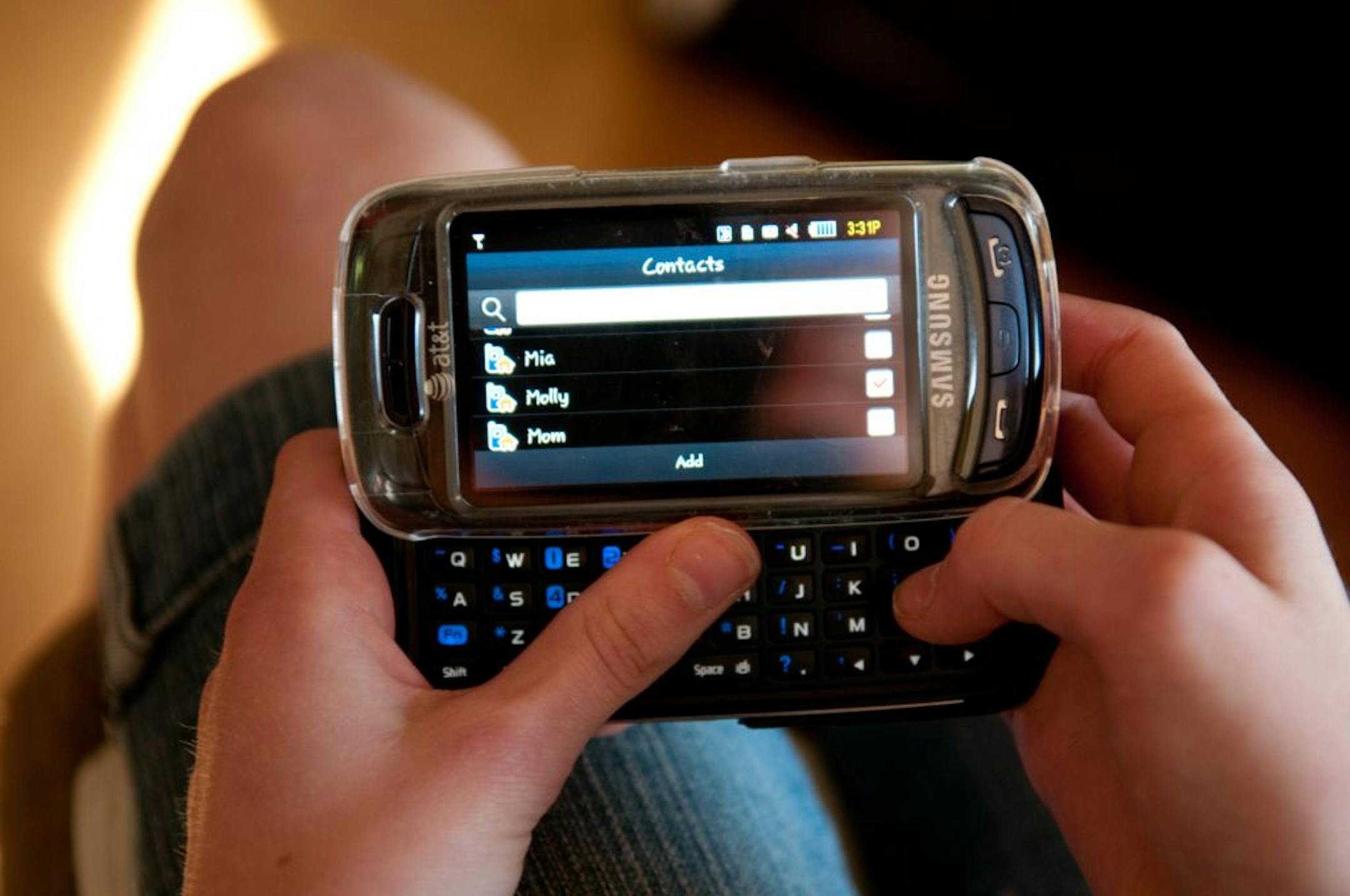
Anne Groton used to stick notes in her boys' lunchboxes, snippets of encouragement or -- how embarrassing -- an "I love you."
Now, with her two older sons in high school, the Minnetonka mom has embraced the boys' preferred way of communicating. She sends text messages.
"Every once in a while, you get one back: 'Have a great day, Mom!'" Groton said. "When people talk about teenagers being so difficult to talk to, I'm not feeling that at all. We have these multiple ways to reach them."
If you neglect to pick up a ringing phone, the digital era dictates that there are plenty of options for getting in touch. Figuring out who prefers what and when determines who's in the loop and who's in the dark.
"There's a whole calculus involved," said Aaron Smith, a research associate with the Pew Internet & American Life Project.
Miss a message on Facebook and miss the party. Leave a message in the wrong place -- voice mail, really? -- and wonder why you don't hear from family members and friends. Just ask Jay-Z, who reportedly got into a tiff with Robert DeNiro last month because he didn't return the actor's phone calls. (The rap star apparently prefers texting.)
Which option people pick boils down to circumstance, and in many cases, generational differences.
Pew's research shows that younger Americans gravitate toward texting. A 2011 study found that people ages 18 to 24 sent or received an average of 50 texts per day. Those ages 45 to 54 -- their parents -- sent or received an average of six.


