

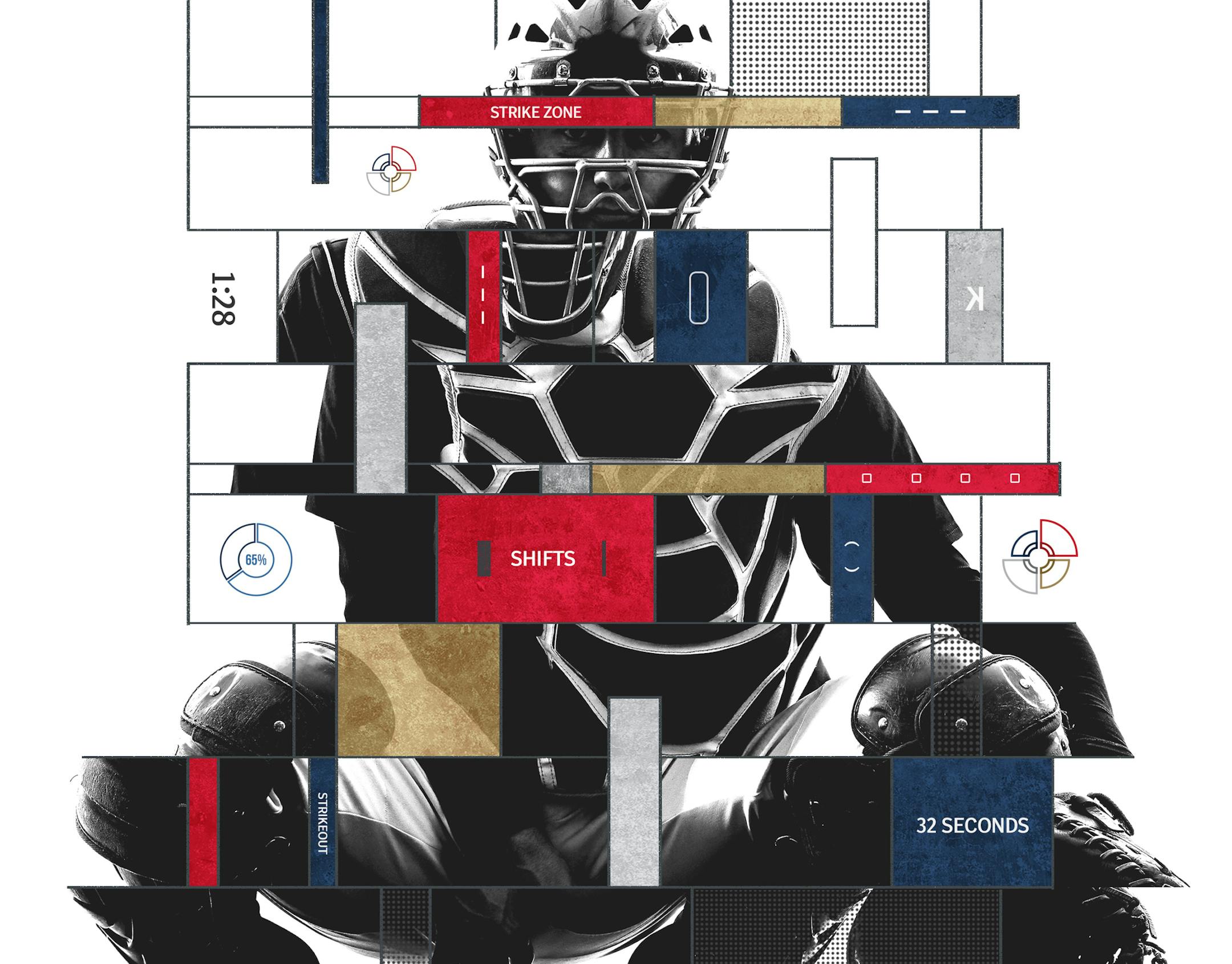
Editor's note: This is the third in a three-part series on the state of Major League Baseball. Our first part looked at how analytics are changing the game while Part 2 looked for a way to reach a younger demographic in the future.
Twins shortstop Royce Lewis digs in, and we're ready for the 2028 season. The crowd is buzzing at Target Field.
First pitch — fastball. Just missed the outside corner of the electronic strike zone. Ball one.
The Yankees are playing Lewis to pull. There was a time, years ago, when they could have shifted three infielders to the left of second base. That was before the rule change.
We'll finish that story in a minute, as veteran Luis Severino works quickly. The pitch clock barely starts, and here's the 1-0 pitch. Lewis smashes it up the middle, leadoff single …
• • •
Close your eyes, listen to the winds of change and imagine the difference between Major League Baseball now and how it could look in 10 years.
With games slogging along at three hours apiece, strikeouts soaring and batting averages tumbling to a 46-year low, the slow-to-change sport is ripe for some subtle and not-so-subtle tweaks.
"I've got people — you know, guys I play golf with and have lunch with — that are all avid fans," former Twins pitcher Jim Kaat said. "They just say, 'We might watch a few innings, but we can't watch a whole game.' "


