

Minnesota's lowest-performing schools are plagued by uneven teaching quality, fuzzy academic goals and minimal parent support, the Minnesota Department of Education says it has found.
On Wednesday the department released reports outlining the shortcomings of the state's lowest-performing 32 schools. By being named to the list this year, they became eligible to apply for $34 million in federal grants designed to help them improve teaching and other problems that keep students from performing up to their potential.
The department hired reviewers to spend two days in each of the 32 schools, looking at problems related to school culture, professional development, teacher evaluations, leadership and other barriers to achieving higher performance.
"We have been struggling for over 30 years with closing the achievement gap," said Alice Seagren, the state education commissioner. The grants will give the state a chance to "really dig deep and try to solve the educational issues in these schools," she said.
Many of the 32 are in the state's poorest communities, where students tend to need more academic and social support, and where many speak English as a second language. Seven are in Minneapolis, two are in St. Paul and 11 are charter schools.
"It's very difficult news for school leadership, for staff, and for parents, to see their schools on a list like this," said Eric Molho, director of strategic planning for the Minneapolis School District. "But that initial pain and anger is already beginning to translate into, 'What are we going to do next, and how can we execute a plan that is really going to make a difference?'"
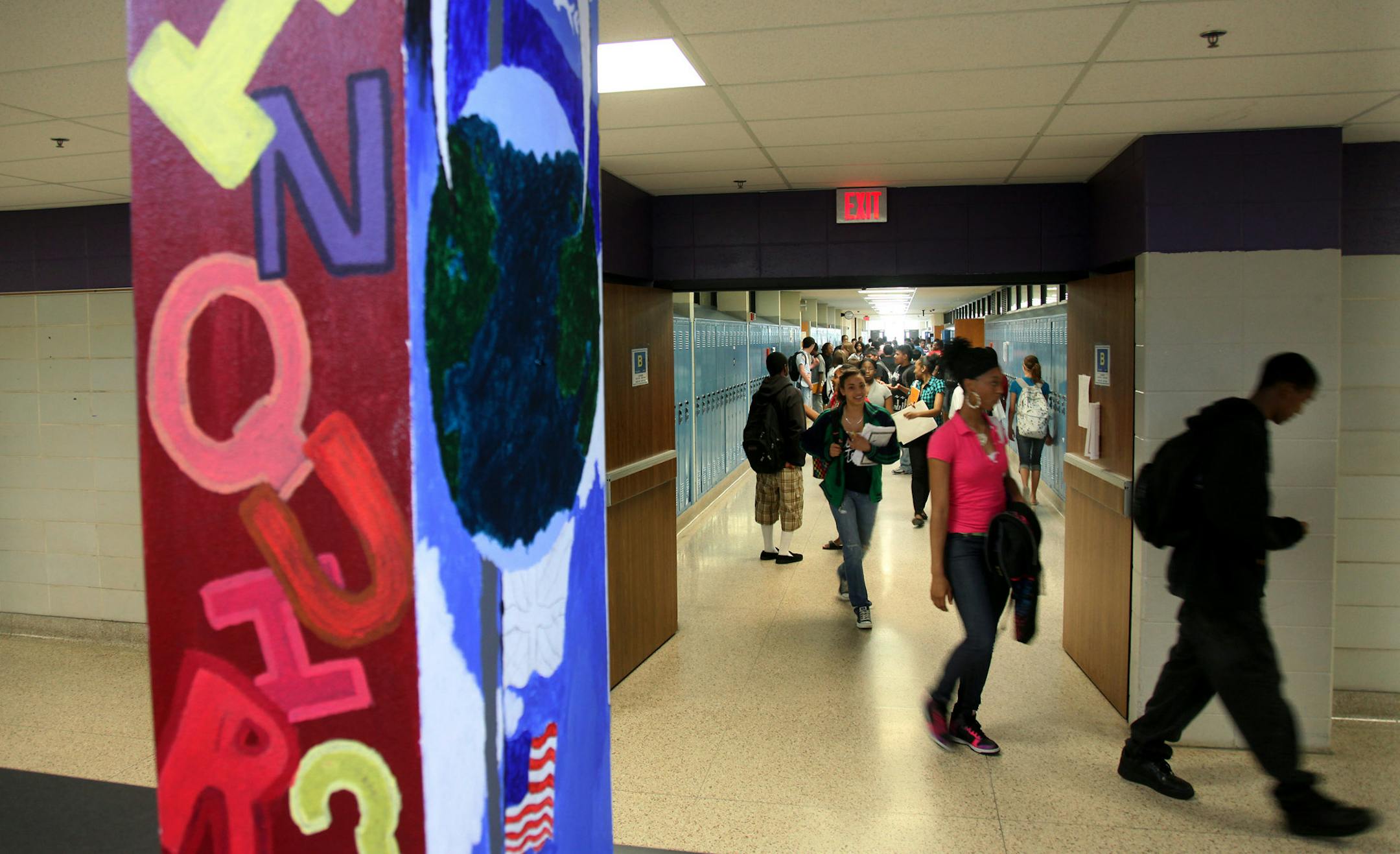
At Brooklyn Center High School on Wednesday, teachers and administrators agreed with much of the report on their school. What upset them was being called bad.
"All of a sudden, this isn't about school improvement, this is a label," said Principal Bryan Bass. "It doesn't build confidence in the community we serve. ... You can take that label and shove it as far as I'm concerned."


