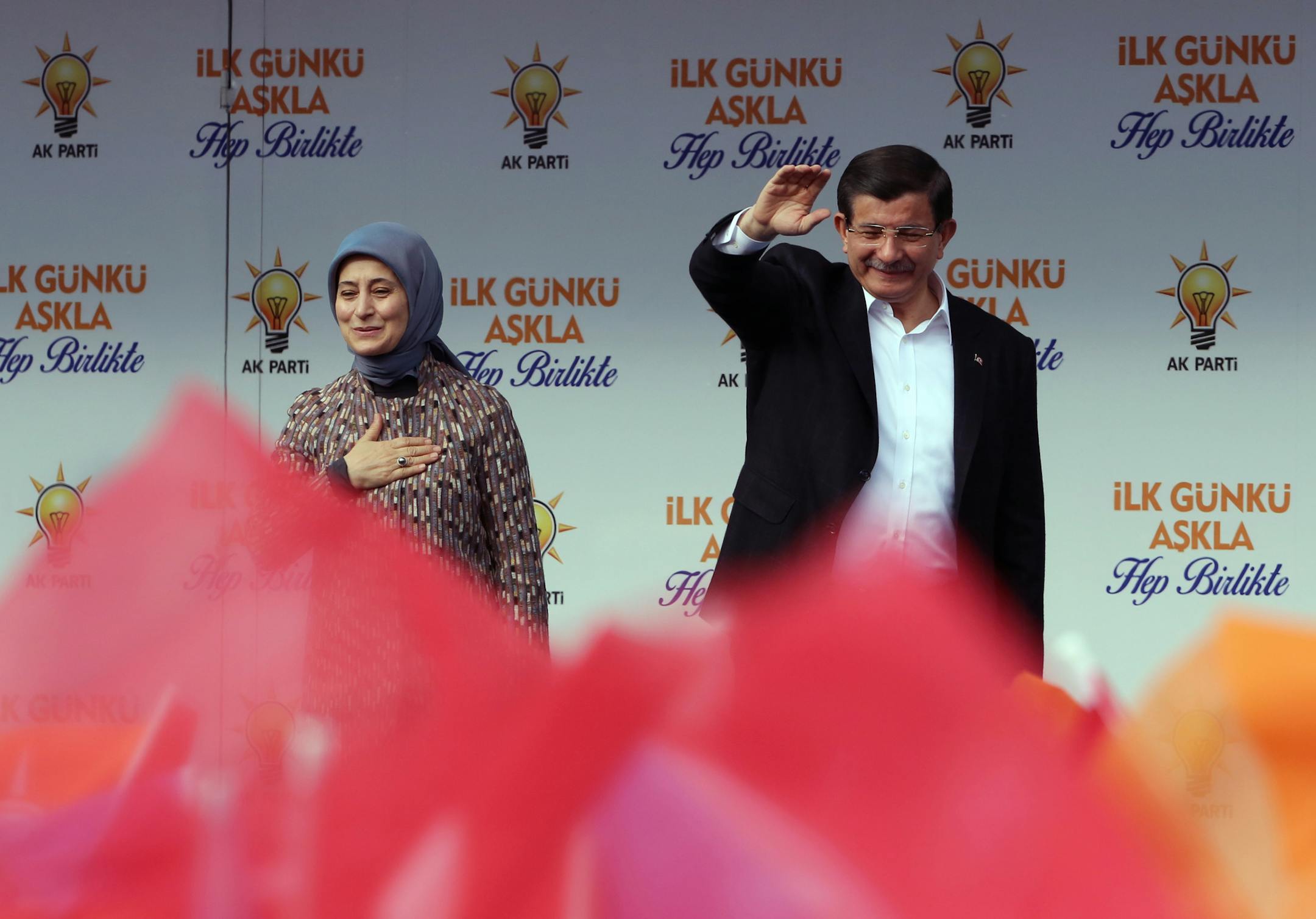
ISTANBUL, Turkey – Turkey's moderate Islamist government staged a tough-guy act in the days before its citizens go to the polls for the second time in five months to elect a new Parliament.
Already battling Kurdish separatists in southeast Turkey, President Recep Tayyip Erdogan stoked tensions with Kurds this week by boasting that the Turkish military had attacked U.S.-backed Kurdish fighters in Syria. He didn't say exactly why and when.
Meanwhile in Istanbul, riot police using tear gas and water cannons stormed the offices of a business conglomerate identified with one of Erdogan's rivals, as court-appointed trustees seized control of two opposition newspapers and two television channels and promptly ousted the editors and fired staff.
The assault on Turkey's news media drew protests from around the world. But Erdogan effectively endorsed it, with a newspaper quoting him as saying that the government had information that it would turn over to a court that is investigating Akin Ipek, the owner of the newspapers Bugun and Millet, and their respective TV channels.
Now the question is whether the mailed fist of Erdogan's Justice and Development Party, or AKP, will rally voters to deliver the parliamentary majority the party lost on June 7 or galvanize opponents to turn out in even greater numbers than they did in the earlier vote.
Leftist and centrist voters are still reeling from a Turkish court decision Oct. 22 that found 244 demonstrators guilty of such charges as "damaging the environment" and sentenced them to as much as 14 months imprisonment for anti-government demonstrations in 2013 over Erdogan's plans to pave over a park in Istanbul's Taksim Square.
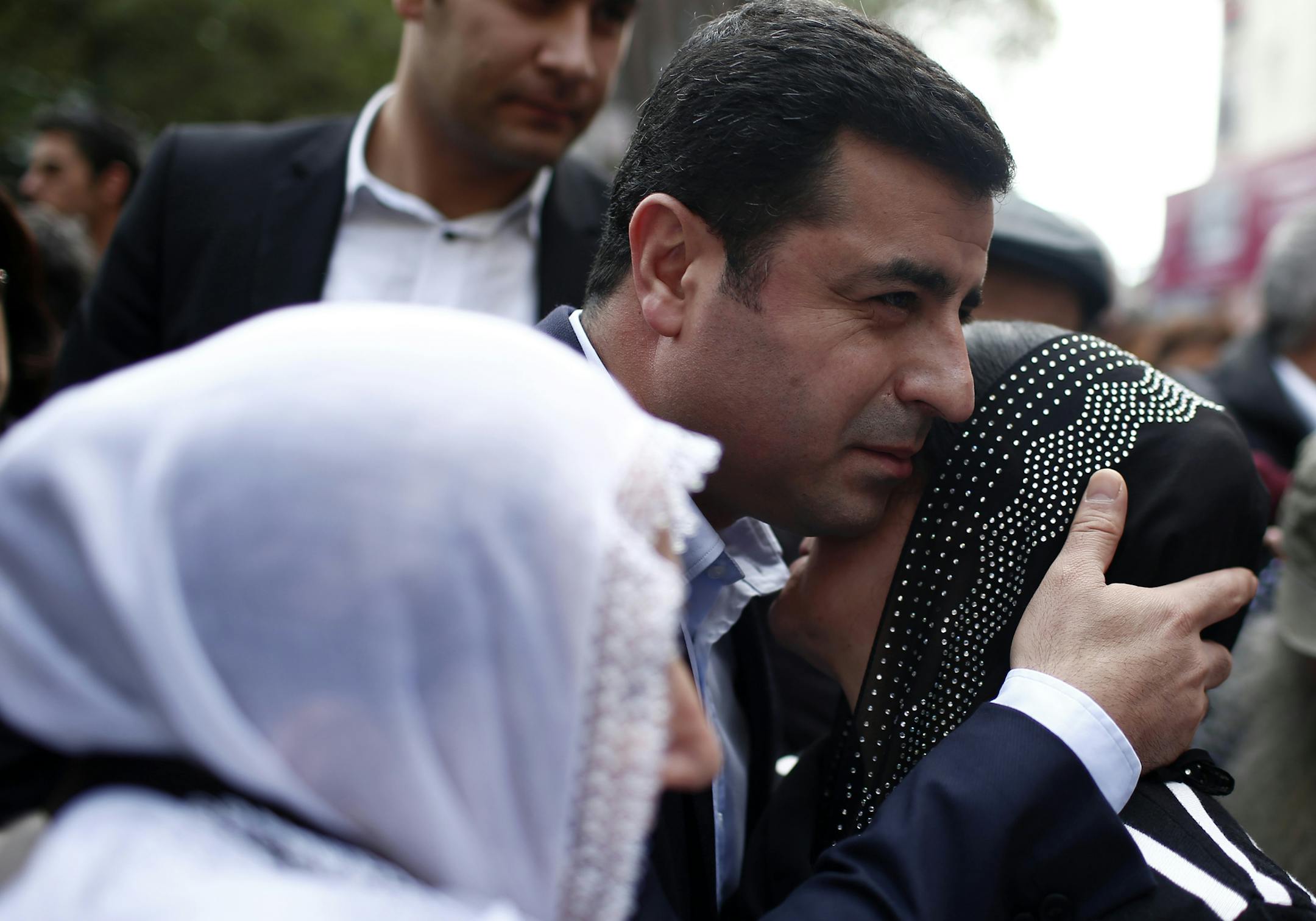
Selahattin Demirtas, the charismatic leader of the Kurdish Peoples' Democratic Party, or HDP, summed up the views of many when he denounced the Wednesday raid against the newspapers and television stations.
"Since June 7, they are acting like they have won a victory," he said of Erdogan's party. He accused the party of a series of "anti-democratic acts" designed "to still the voice of opposition."