

We're all for making the security process faster and more efficient at the nation's airports. And it makes sense for the federal Department of Homeland Security and its Transportation Security Administration (TSA) to focus on those who pose serious threats to American aircraft.
But allowing small, sharp objects and other previously banned items into passenger cabins is a wrongheaded policy change. The TSA should reconsider its plan to ease restrictions on potentially dangerous carry-ons.
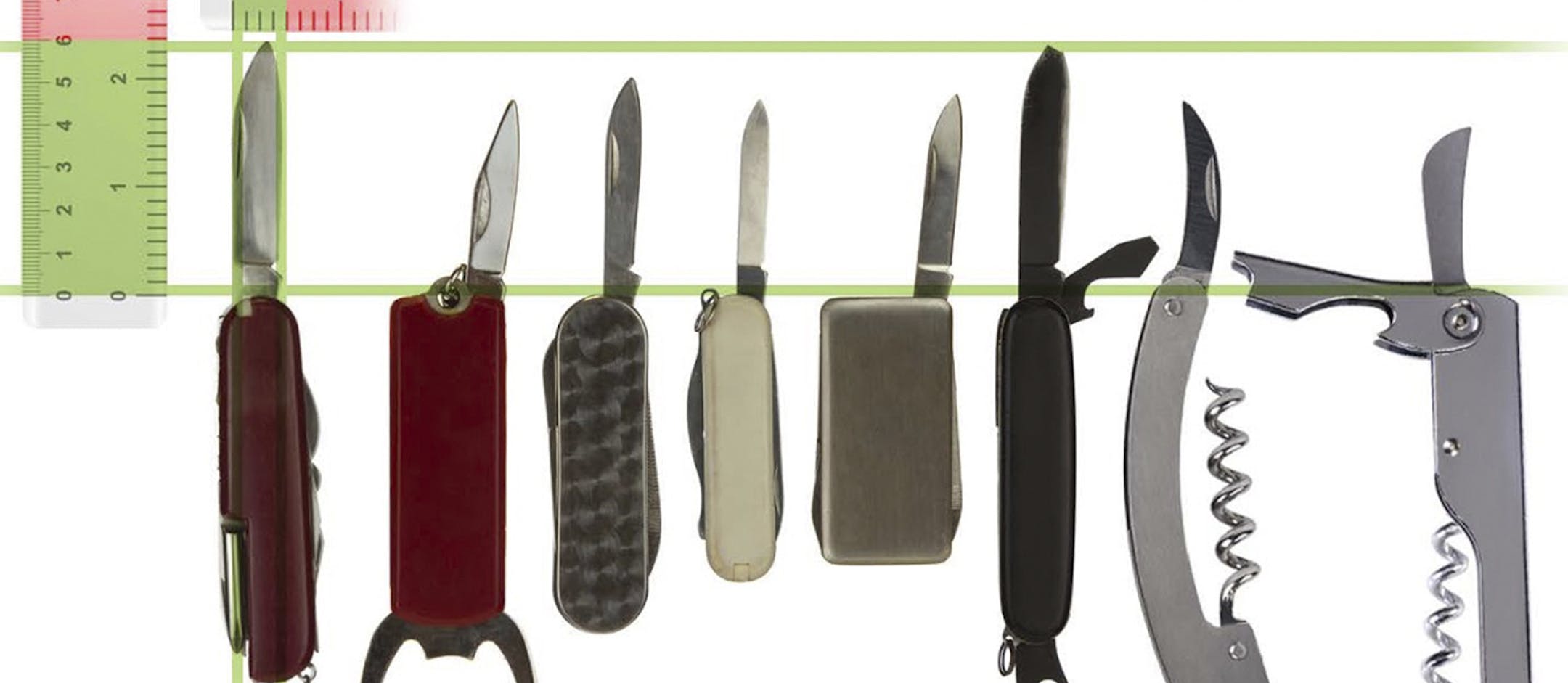
TSA Administrator John S. Pistole announced last week that beginning April 25, travelers will be allowed to bring small pocketknives on board. Under the new policy, knives with blades that are 2.36 inches or shorter and less than half an inch wide will be permitted on U.S. flights as long as the blades are not fixed or lock into place. Razor blades and box cutters will still be prohibited.
The change also will permit passengers to carry on sports equipment, including hockey and lacrosse sticks, shorter souvenir baseball bats, and a limit of two golf clubs.
Sure, losing a keychain pocketknife at a security checkpoint is annoying. And maybe golfers would prefer carrying on their expensive drivers.
But more than a decade after 9/11, most travelers realize that making planes as safe as possible is far more important than a little inconvenience at security.
Proponents of the change argue that there's less risk on planes today because pilots are securely locked in their cockpits. That's fine for pilots, but what about the rest of the crew and passengers?
Crazed, drunken or ideologically motivated passengers could do considerable damage to fellow fliers with the items the TSA now considers to be of "low risk." After all, the knives that will be allowed back on board are not much different than the box cutters that were used by terrorists on 9/11.


