

Opinion editor's note: Editorials represent the opinions of the Star Tribune Editorial Board, which operates independently from the newsroom.
•••
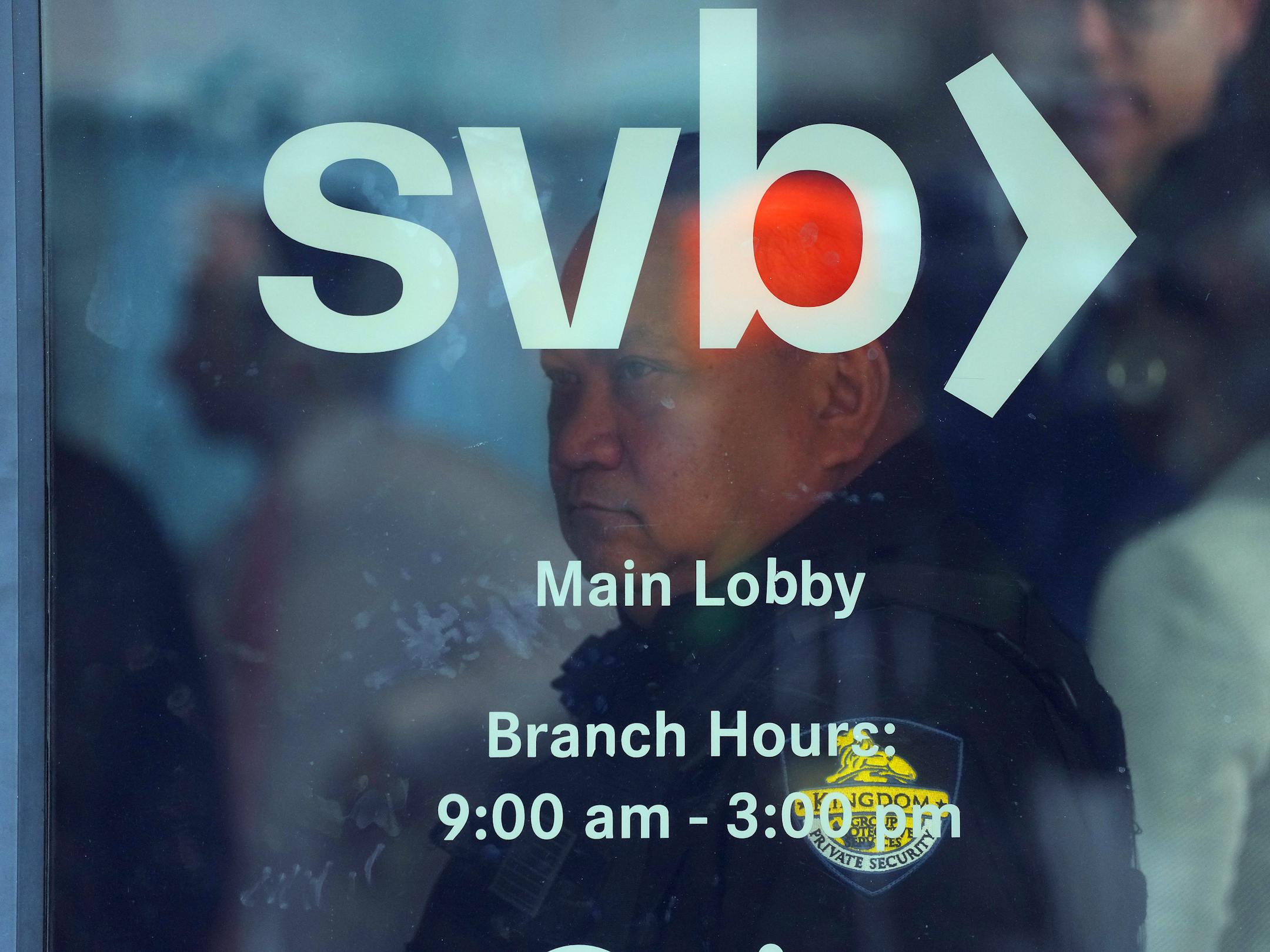
In mid-February, Forbes came out with its 14th annual list of "America's Best Banks." At No. 20 was Silicon Valley Bank, known as SVB. A month later, SVB is failed, dead — the subject of an old-fashioned bank run and what for practical purposes was an emergency government bailout. And on Monday, President Joe Biden was compelled to reassure the nation that its banking system was safe.
Which it seemingly is. Over the weekend the government took new pains to remove doubt. The Federal Deposit Insurance Corporation — the entity referred to by the phrase "member, FDIC" — already protected bank stashes up to $250,000, which is enough for most individual savers. On Sunday, the Treasury Department and Federal Reserve took the extraordinary and possibly precedential step of announcing that all depositors would have access to their money, even above the $250,000 limit, right away. Normally large depositors would get something back as a bank failure was resolved through the sale of assets or absorption by healthier entities, but not all of it, and not quickly.
The targeted beneficiaries of that action are businesses, which in the case of SVB's depositors include many tech startups. That's good for the employees of those startups who want their paychecks on time, but it's bound to aggravate the perception that the government is always there to backstop businesses, less so for individuals.
The Treasury and Fed did say, and repeated for emphasis, that taxpayers won't be on the hook. A special assessment on banks will meet the costs. Also, shareholders in SVB and another failed bank covered by the arrangement — Signature, of New York — will have to eat their losses. Signature's problems were similar to SVB's, but also were linked to cryptocurrency — a potential source of systemic risk that many in government see as growing beyond nascent and niche.
What the government is trying to prevent — or, to the extent it's already begun, contain — is panic. Which of course raises the panicky question: What does it know that the rest of us don't?
It seems best at this point to be watchful but not unduly fearful. Events moved quickly on Monday, with a rout in bank stocks continuing and trading in some of them halted. Wrapped up in that carnage were local firms like U.S. Bancorp and the mainstream consumer brokerage Charles Schwab.


