

Opinion editor’s note: Strib Voices publishes a mix of guest commentaries online and in print each day. To contribute, click here.
•••
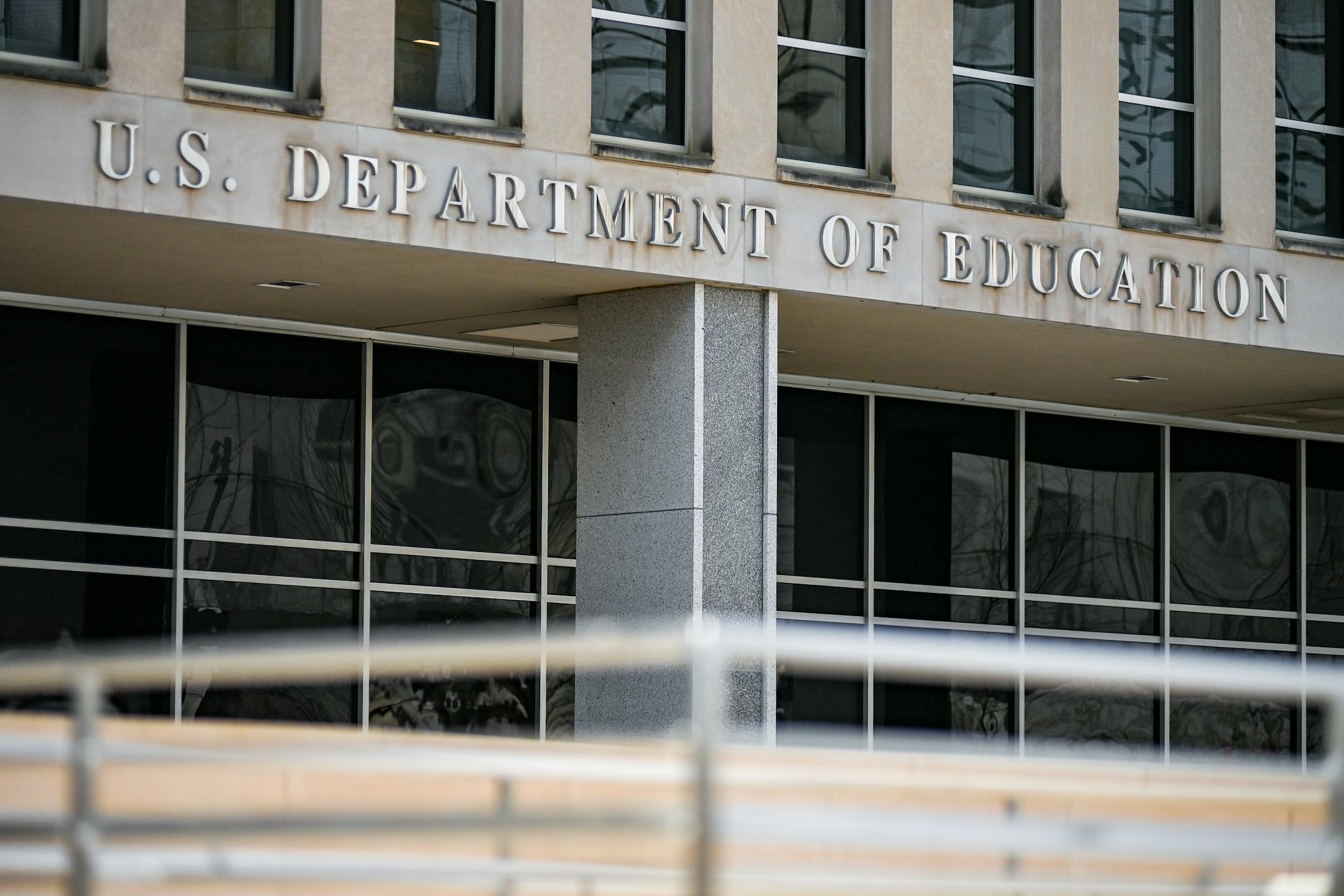
After winning the presidency by focusing on immigration, inflation and a vague notion that life was better in 2019, Donald Trump is widely expected to proceed with plans to — eliminate the Department of Education. It’s hard to see how this makes sense — for him, his party or the country.
The Department of Education is not above criticism, especially its policies concerning student loan relief and student discipline. But it mostly does boring stuff like administering grants that support disabled students or school systems with a lot of poor children. And it’s not a major line item ($238 billion) in the federal budget ($8.7 trillion). If the president-elect wants to seriously reduce federal spending, he needs look at either the military or programs for the sick and elderly.
But if it’s not about the money, then what is it about? It can’t really be about efficiency, Elon Musk’s DOGE notwithstanding, since disappearing Cabinet departments — or creating them — never seems to make much difference.
It’s easy to imagine eliminating, say, the Commerce Department, and parceling out its functions across Treasury, Interior and Labor. But what would this fix? A similar question applies to Congress’s creation of the Department of Homeland Security after 9/11. This new Cabinet-level department pulled various immigration functions out of Justice, poached the Secret Service from Treasury, took aviation security from Transportation, rolled them all together with FEMA, and — tada, new agency!
So if Trump’s goal is just to redraw the lines on some federal bureaucratic org charts, it will be a waste of time, but a harmless waste of time.
It’s generally not productive to delve too deeply into Trump’s motivations — his love of chaos explains a lot of his behavior — but the desire to dismantle the Education Department is evidence of a larger impulse on the right that deserves further inspection: addressing the problems of public education through relentless decentralization. This is a path which leads to the federal government retreating from its role, state governments turning school management over to localities and, ultimately, to privatizing the whole enterprise.


