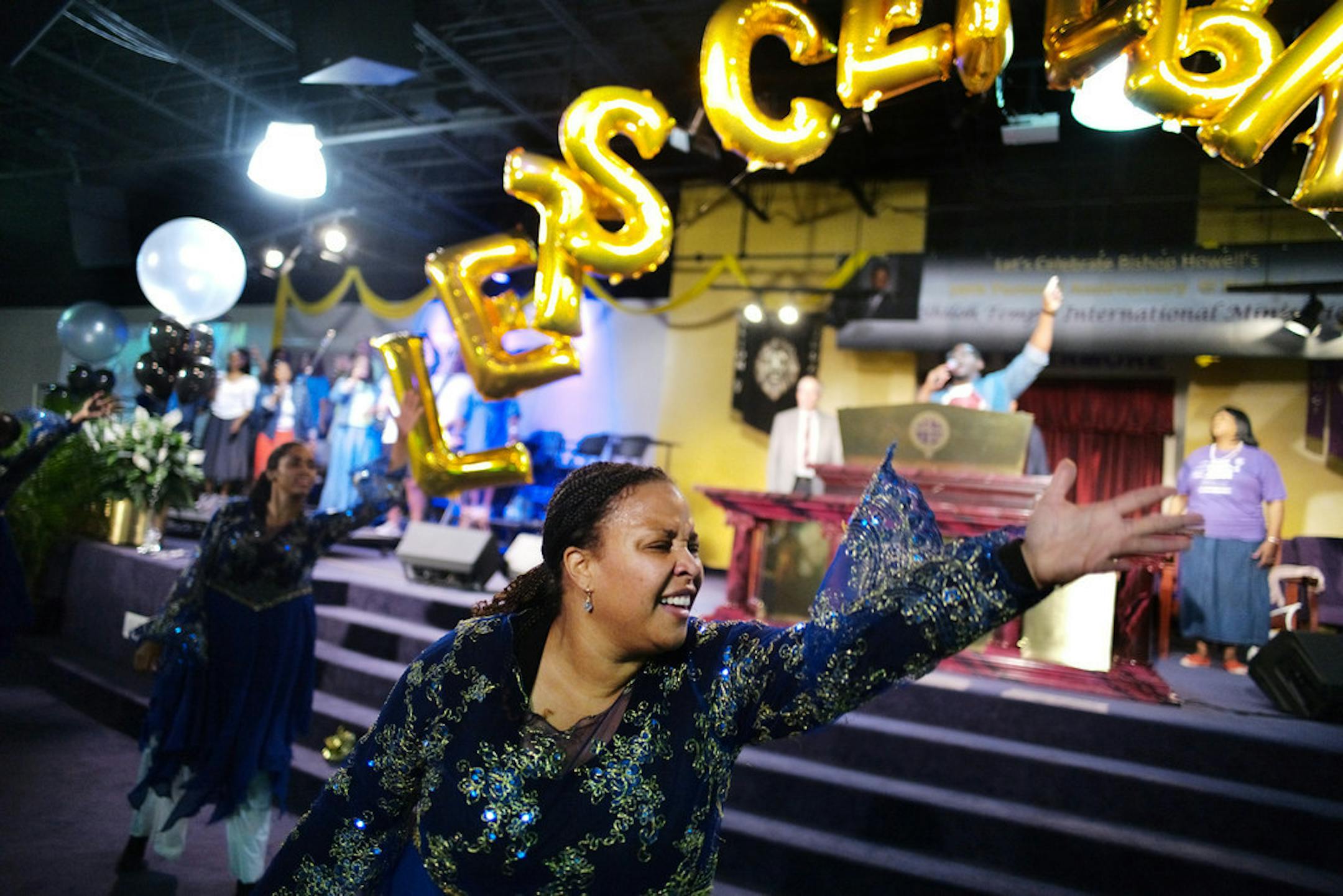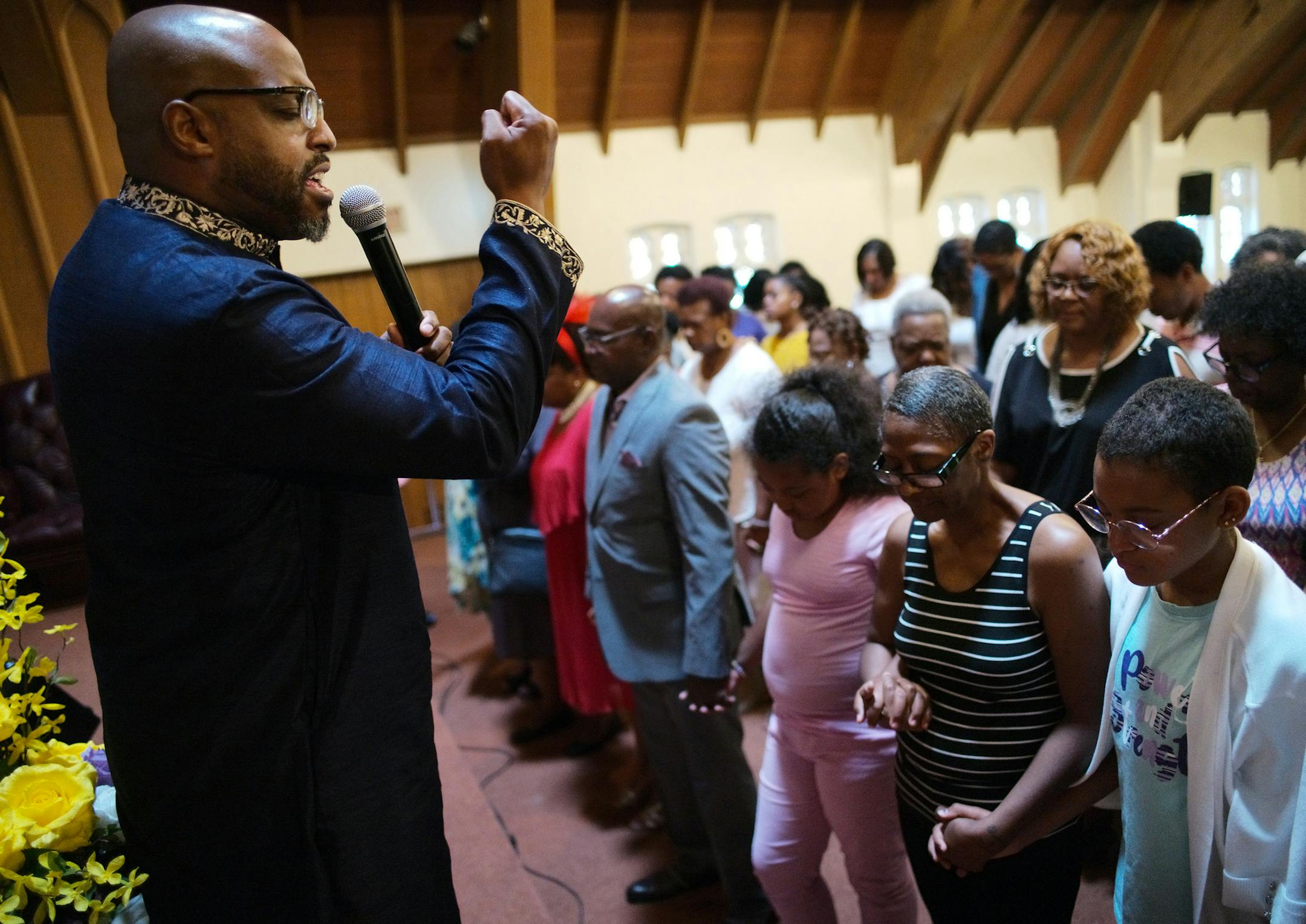
Bishop Richard Howell preaches the word of God to a congregation rarely reflected by the evangelical leaders making headlines. The faithful in his pews are black evangelicals, and many are outraged over the racial rhetoric in Washington and the feeble response from white brethren.
President Donald Trump's derogatory statements about people of color not only are degrading and dangerous, said Howell, but also are deepening rifts among black and white evangelicals, the latter who overwhelmingly support Trump.
"Make America Great Again — what's that supposed to mean?" asked Howell, pastor of Shiloh Temple International Ministries in north Minneapolis. "We believe it means the president wants to bring back the days of white superiority in this country.
"We're hoping our white brothers and sisters aren't reverting to that mind-set," Howell said. "We worked too hard to remove that wall. We want to make sure all the work we put in wasn't in vain."
Evangelicals were key to Trump's election in 2016, and white evangelical support has diminished little even as racial tensions rise. Nearly 70% of white evangelicals support the president, according to a recent survey by the Pew Research Center, compared with 12% of black Protestants, the vast majority of whom consider themselves evangelicals.
The numbers reveal a deep schism in this broad religious coalition that shares core tenets such as the infallibility of the Bible, a call to spread the Gospel, and the belief in conversion, or to be born again.
Many black and white evangelical leaders have worked for years on racial reconciliation to address the historic wounds caused by white Christians' justification of slavery, Jim Crow laws that enforced racial segregation and opposition to civil rights legislation.
The nation may be entering another pivotal juncture, black pastors say, and they'd like to hear more support from their Christian counterparts. As it is now, the most high-profile evangelicals are Jerry Falwell Jr. and Franklin Graham, both unequivocal supporters of Trump.