

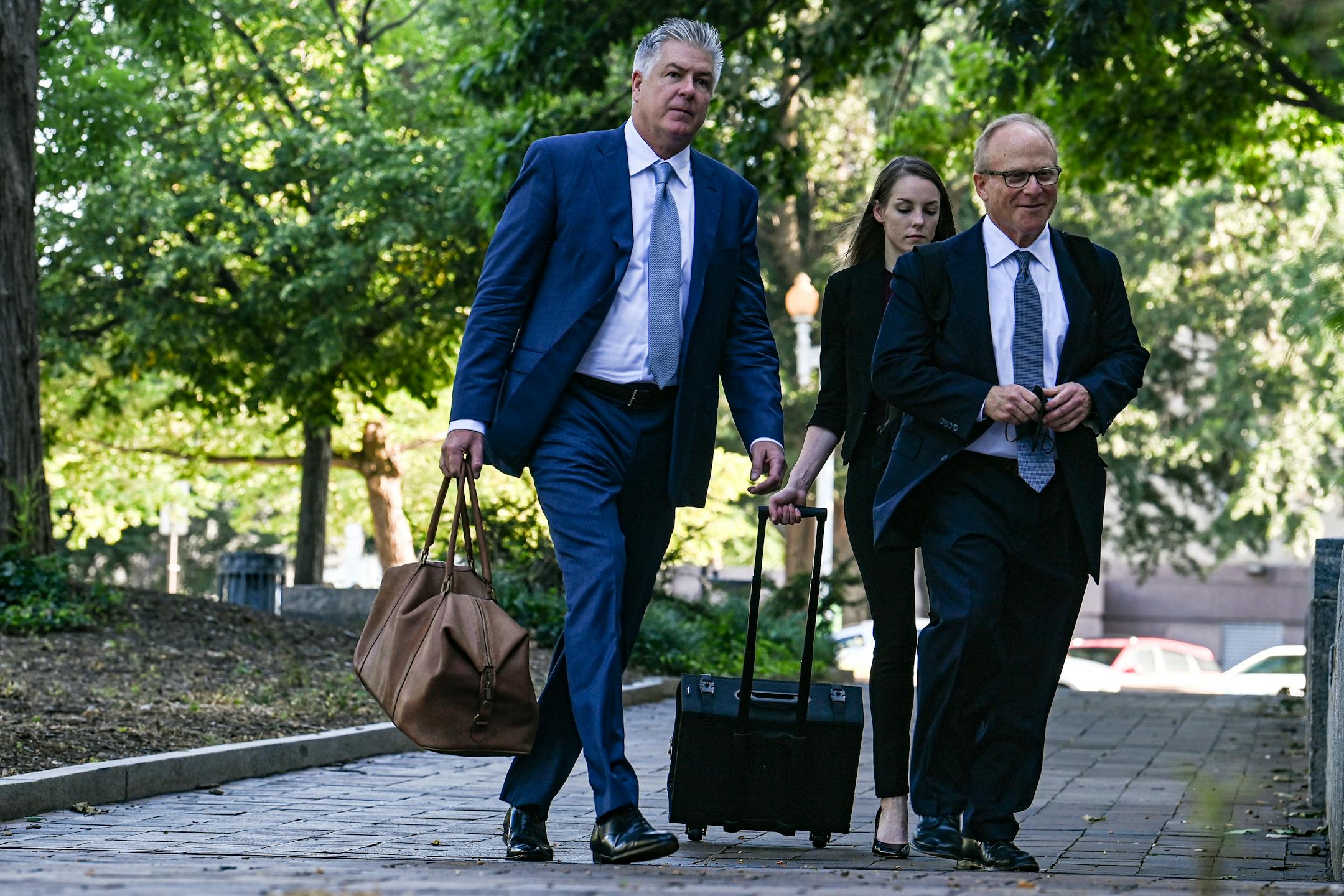
Turning on his iPhone one day last year, lawyer M. Evan Corcoran recorded his reflections about a high-profile new job: representing former President Donald Trump in an investigation into his handling of classified documents.
In complete sentences and a narrative tone that sounded as if it had been ripped from a novel, Corcoran recounted in detail a nearly monthlong period of the documents investigation, according to two people familiar with the matter.
Corcoran's narration of his recollections covered his initial meeting with Trump in May 2022 to discuss a subpoena from the Justice Department seeking the return of all classified materials in the former president's possession, the people said.
It also encompassed a search that Corcoran undertook last June in response to the subpoena for any relevant records being kept at Mar-a-Lago, Trump's private club and residence in Florida. He carried out the search in preparation for a visit by prosecutors, who were on their way to enforce the subpoena and collect any sensitive material found remaining there.
Government investigators almost never obtain a clear lens into a lawyer's private dealings with their clients, let alone with such a prominent one as Trump. A recording like the voice memo Corcoran made last year — during a long drive to a family event, according to two people briefed on the recording — is typically shielded by attorney-client or work-product privilege.
But in March, a federal judge ordered Corcoran's recorded recollections — now transcribed onto dozens of pages — to be given to the office of special counsel Jack Smith, who is leading the documents investigation.
The decision by the judge, Beryl Howell, pierced the privilege that would have normally protected Corcoran's musings about his interactions with Trump. Those protections were set aside under what is known as the crime-fraud exception, a provision that allows prosecutors to work around attorney-client privilege if they have reason to believe that legal advice or legal services were used in furthering a crime.
Howell, in a sealed memorandum that accompanied her decision, made clear that prosecutors believe Trump knowingly misled Corcoran about the location of documents that would be responsive to the subpoena, according to a person familiar with the memo's contents.

