

WASHINGTON — Former President Donald Trump's political organization and his allies have paid for or promised to finance the legal fees of more than a dozen witnesses called in the congressional investigation into the Jan. 6 attack, raising legal and ethical questions about whether the former president may be influencing testimony with a direct bearing on him.
The arrangement drew new scrutiny this week after Cassidy Hutchinson, a former aide in his White House, made an explosive appearance before the House panel, providing damning new details about Trump's actions and statements on the day of the deadly riot.
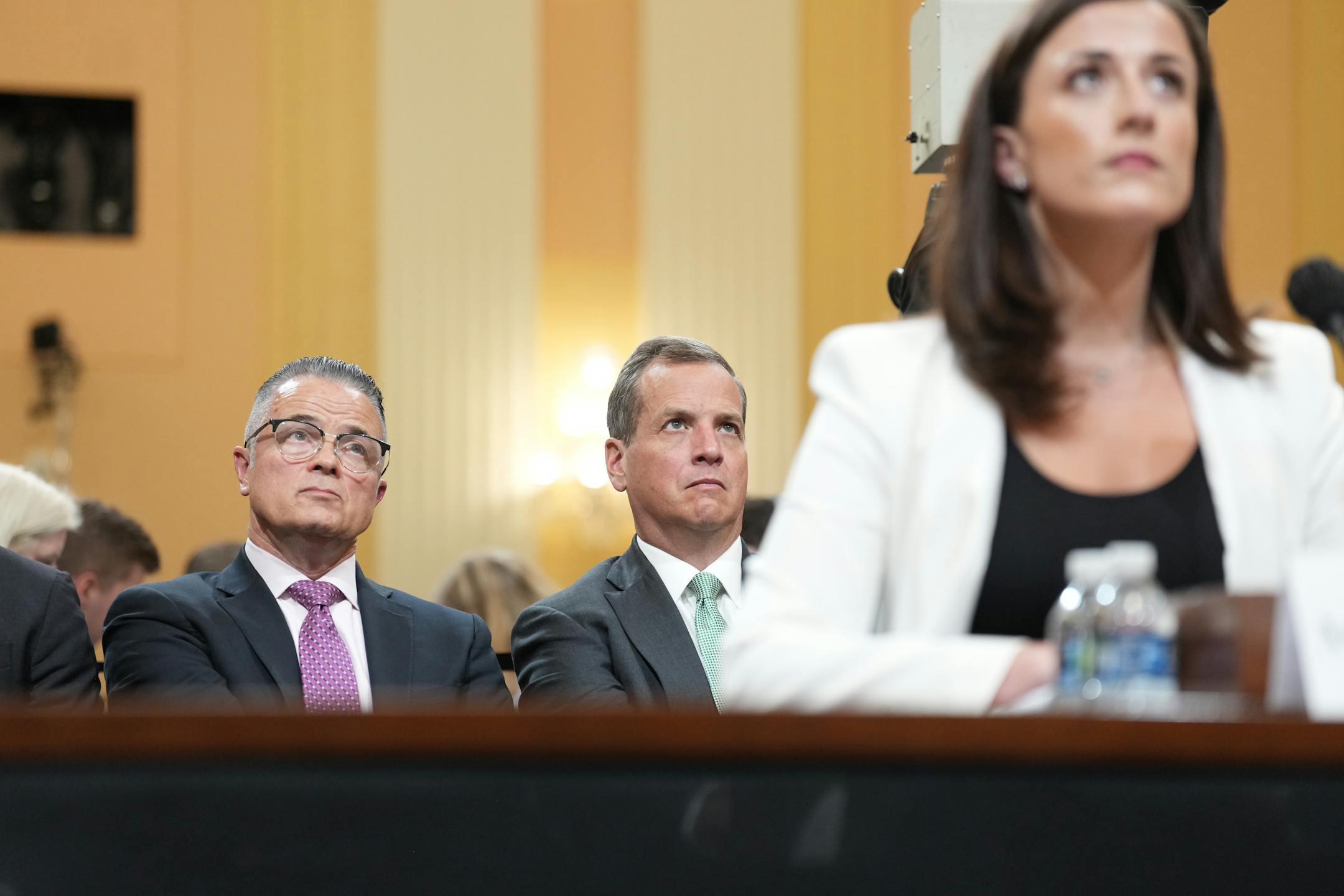
She did so after firing a lawyer who had been recommended to her by two of Trump's former aides and paid for by his political action committee, and hiring new counsel. Under the representation of the new lawyer, Jody Hunt, Hutchinson sat for a fourth interview with the committee in which she divulged more revelations and agreed to come forward publicly to testify to them.
It is not known whether Hutchinson's change in counsel led directly to her willingness to appear at a televised hearing and provide a more detailed, wide-ranging account of what she witnessed, but some members of the panel believe that it played a role, according to two people familiar with the committee's work.
Trump claimed that Hutchinson's new lawyer could have prompted her to make false statements. "Her story totally changed!" he complained on his social media site, Truth Social.
The episode raised questions about whether Trump and his allies may, implicitly or explicitly, be pressuring witnesses to hold back crucial information that might incriminate or cast a negative light on the former president. Trump and his advisers have been accused before of trying to influence witnesses in past investigations involving him. The committee is known to ask witnesses frequently during closed-door interviews whether anyone has tried to influence their testimony.
Hutchinson has told the Jan. 6 committee that she was among the witnesses who have been contacted by people around Trump suggesting that they would be better off if they remained loyal to the former president. Rep. Liz Cheney, R-Wyo., and the vice chairwoman of the panel, quoted two witnesses making such claims Tuesday and suggested that the committee was looking into the possibility that the former president or his allies were trying to obstruct its inquiry, saying that, "most people know that attempting to influence witnesses to testify untruthfully presents very serious concerns."
Unlike witness tampering, which is a crime, there is nothing illegal about a third party covering legal fees for a witness. Aides to former President Bill Clinton reported being overwhelmed with legal bills because of the various inquiries into his and his family's personal and business affairs, and were dismayed when a legal-defense fund set up by Clinton's allies to help the first family pay its multimillion-dollar legal debts did not help them. Clinton later pledged to help raise money to cover his former aides' legal expenses, but did not make any major effort to do so.


