

Opinion editor’s note: Strib Voices publishes a mix of guest commentaries online and in print each day. To contribute, click here.
•••
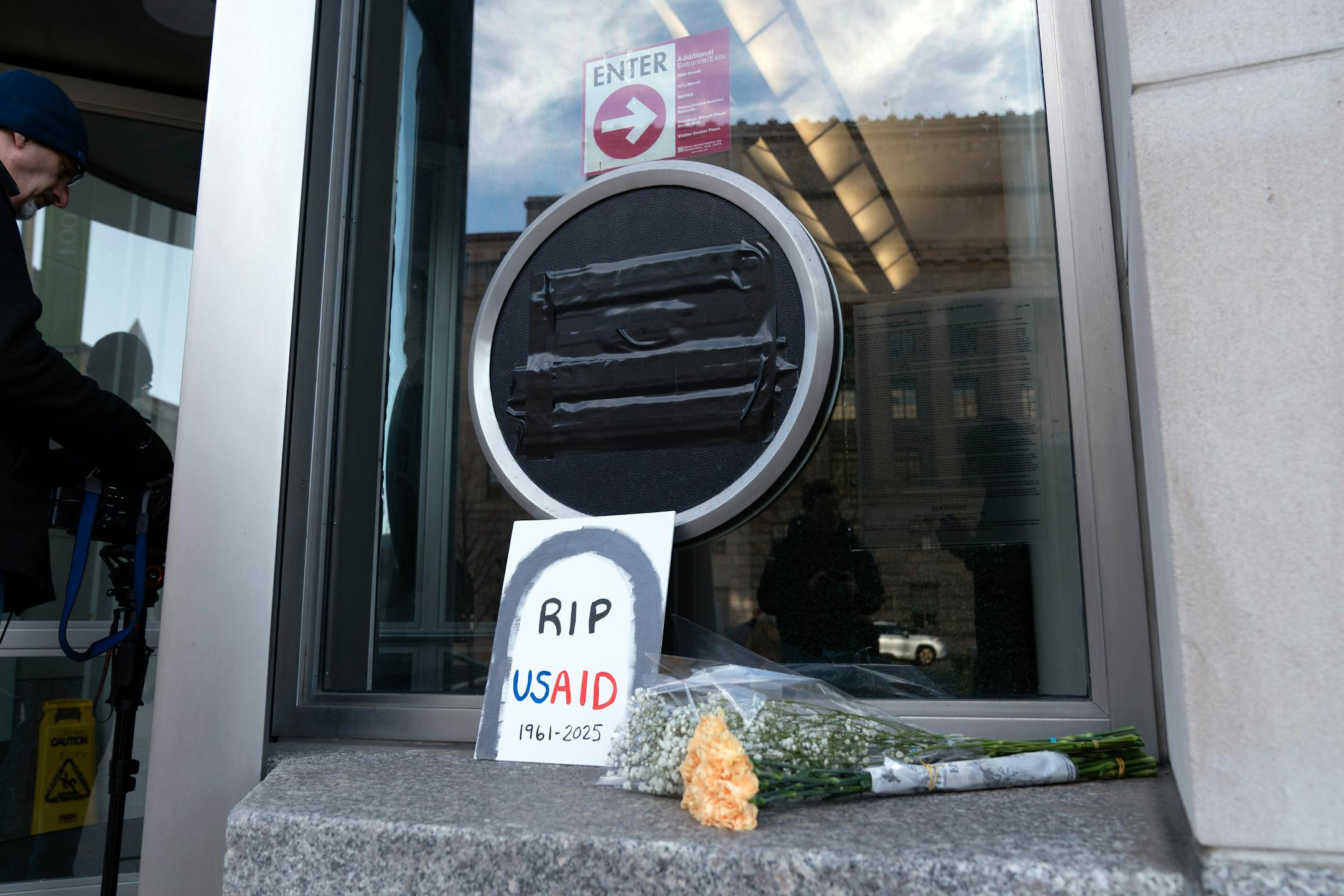
Just last week, the White House slashed another $4.9 billion from America’s foreign aid budget. This comes on the heels of the dismantling of the U.S. Agency for International Development (USAID) and the loss of more than 80% of its programs earlier this year. These cuts are more than numbers on a spreadsheet; they represent lives disrupted, progress undone and a retreat from values that have long united Americans across party lines. We should all be alarmed.
I’ve spent the last 16 years working alongside farmers across Africa, Asia and Latin America — helping build more resilient food systems, strengthen rural economies and open global markets for U.S. businesses. My work, like that of thousands of other Americans, was funded by USAID, a cornerstone of American diplomacy and humanitarian leadership that transformed millions of lives worldwide on less than 1% of the federal budget.
But earlier this year, that work came to an abrupt end. The dismantling of USAID ended careers, shuttered programs and erased decades of quiet progress. I lost a job I loved, yes — but what’s worse is what America has lost.
Many people have never heard of USAID or Feed the Future, the flagship U.S. initiative to combat hunger and poverty abroad. But these programs have profoundly shaped the lives of millions — and they’ve made our country safer, stronger and more prosperous in return. Since 2011, Feed the Future has lifted more than 23 million people out of poverty, reduced child stunting and helped families escape the cycle of hunger. At the same time, it helped open markets for U.S. companies selling everything from seeds to livestock vaccines to irrigation systems.
Agriculture may seem like a niche issue; it’s anything but. In low-income countries, most people are farmers. Investing in agriculture is one of the most powerful ways to reduce poverty, boost local economies and reduce the drivers of conflict and migration. The World Bank notes that growth in agriculture is at least twice as effective at reducing poverty as growth in any other sector.
Until recently, I worked for a Minnesota-based nonprofit funded by USAID and USDA. We ran programs that increased crop diversity, improved food safety and helped farmers grow enough not only to feed their families but to earn a living. We helped strengthen food supply chains — and helped young people see a future for themselves in agriculture rather than migrating in search of work.


