

Bloomberg View.
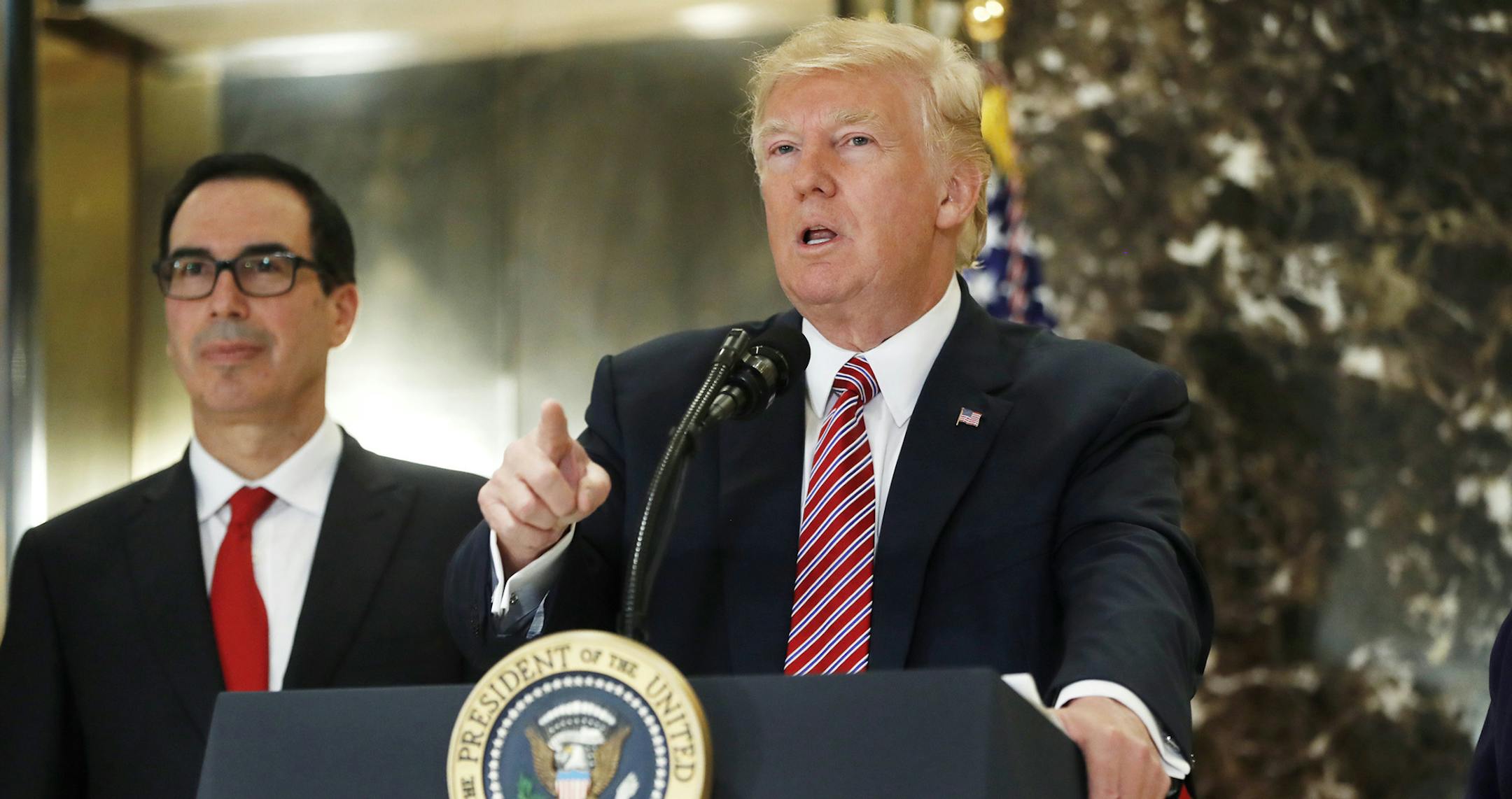
Obscured by the tumult surrounding President Donald Trump's horrendous response to the violence in Charlottesville, Virginia, the White House managed to take a significant positive step this week: issuing an executive order designed to lower regulatory barriers to infrastructure projects, and to speed up and simplify the process for obtaining necessary permits and clearances.
It wasn't the first White House to try. When I worked in the Obama administration in 2009, I called a meeting of agency officials, asking them to explore how we might streamline the permitting process for both individuals and companies. About halfway into the one-hour meeting, I realized that none of the officials had offered even a single word in response to my question. Instead, they explained why nothing could be done — as if the purpose of the meeting was to demonstrate that the status quo was great, and that it would be impossible to change it.
The status quo is not great. It's ridiculous. If the permitting bureaucracy were a supervillain, it would be the Blob. It can take several years, and millions of dollars, to obtain environmental clearance for construction permits, even if the goal is to develop green infrastructure and to improve the environment.
Significant reforms are needed in three areas.
The first involves the National Environmental Policy Act, which requires federal agencies to catalogue and consider environmental effects before they can proceed with actions that might hurt the environment. It's a well-intended law with an important goal, but in some respects it's also a case study in unintended consequences.
Under the law, developers often have to navigate an expensive and costly approval process, potentially including draft environmental impact statements, comments on environmental impact statements, nasty public hearings, and final environmental impact statements. If they manage to get through all that, they might well face a lawsuit — maybe from an environmental organization, maybe from community groups, and maybe from self-interested companies who just don't want the competition.
Environmental impact statements can run to hundreds of pages; they're books, even encyclopedias. The review process can easily take three years or more, so agencies and developers sometimes just give up.


