What if a city held an election and nobody ran?
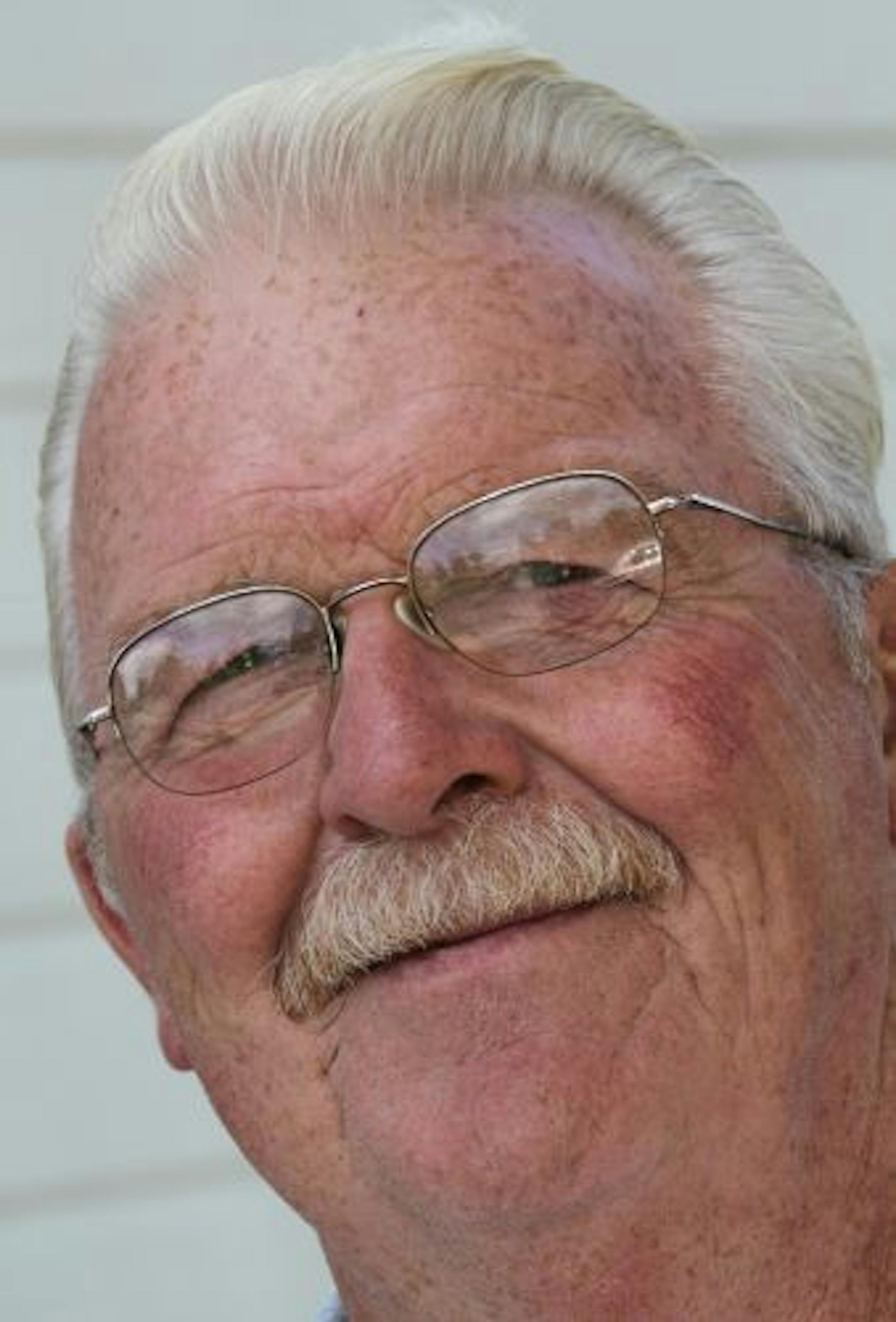
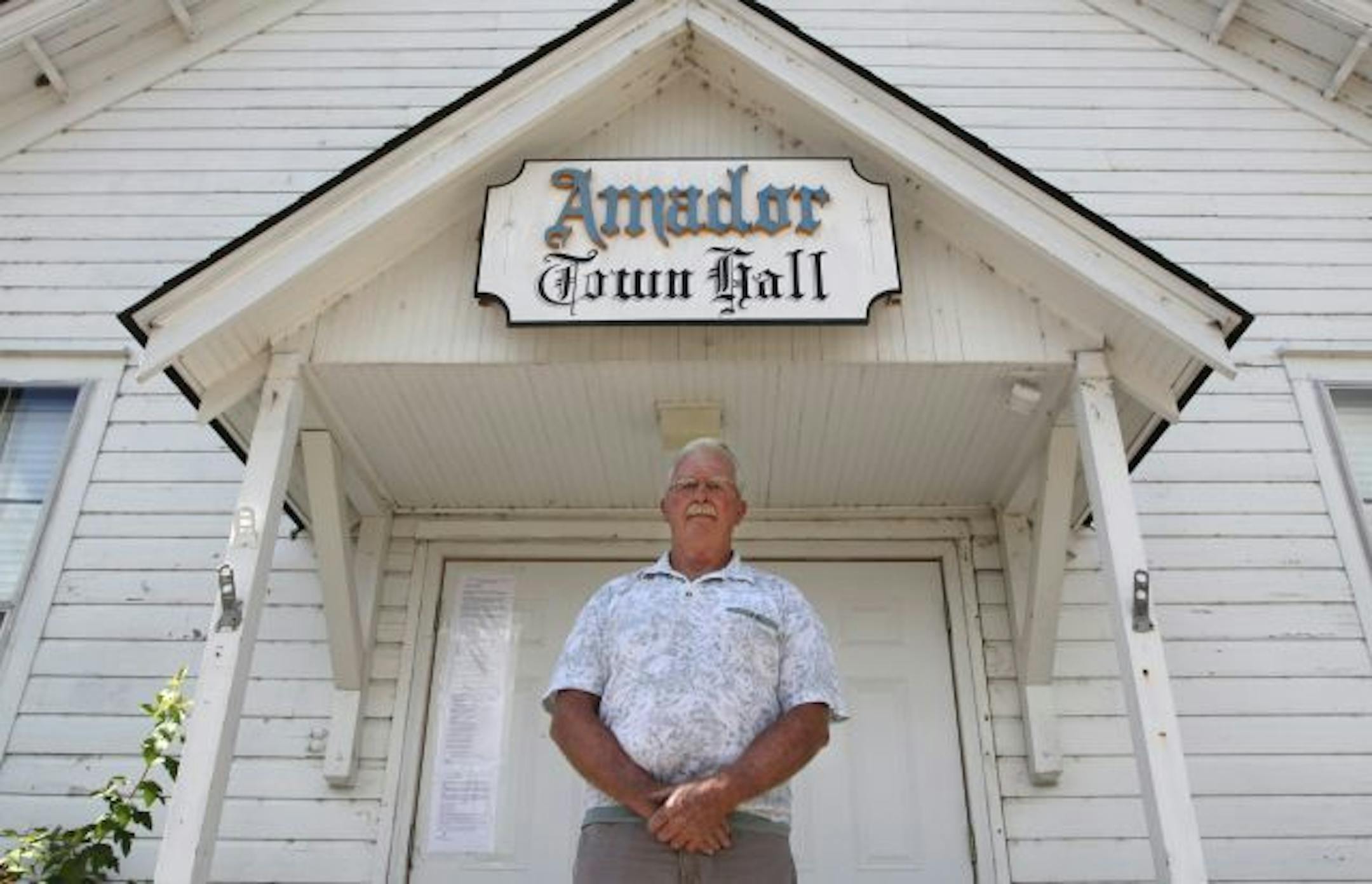
For Bob Vande Camp, a supervisor in Amador Township near Taylors Falls, a lack of candidates creates the kind of conundrum most incumbents would love: He's planning to retire but could get reelected anyway, through write-in votes.
His case is relatively rare but far from unheard of. Every election year in Minnesota and across the nation, there are local elections, usually in townships and smaller cities, where no candidates enter the ring. In those situations, departing officials and town clerks beat the bushes to try to find people who'll agree to mount a write-in campaign.
If no one steps up, it comes down to this: After Election Day, municipal officials are required to start calling write-in winners and keep it up until they find someone who will accept the post. If no one does, the town board or city council is charged with finding a resident willing to be appointed to the position.
The number of races without candidates is hard to gauge. This year, there appear to be more than 350 around the state, judging from filings reported to the secretary of state's office. But that number is inflated to an unknown degree, for various reasons. For example, some places were tripped up by the new, earlier state primary date and filing deadlines. So there may be candidates, but they won't be on the ballot. In addition, municipalities don't always provide timely and complete candidate information to the secretary of state's office.
Nationwide, races without candidates are the exception, said Chris Shalby, executive director of the California-based International Institute of Municipal Clerks. "It's more commonplace for several people to run for a vacancy than to have no one run," he said. "You rarely hear that no one files."
He added that remedies are different everywhere, but in some places, the seat remains empty until the next election.
Why not run?