It was one part inspiration and at least one part Lagavulin.
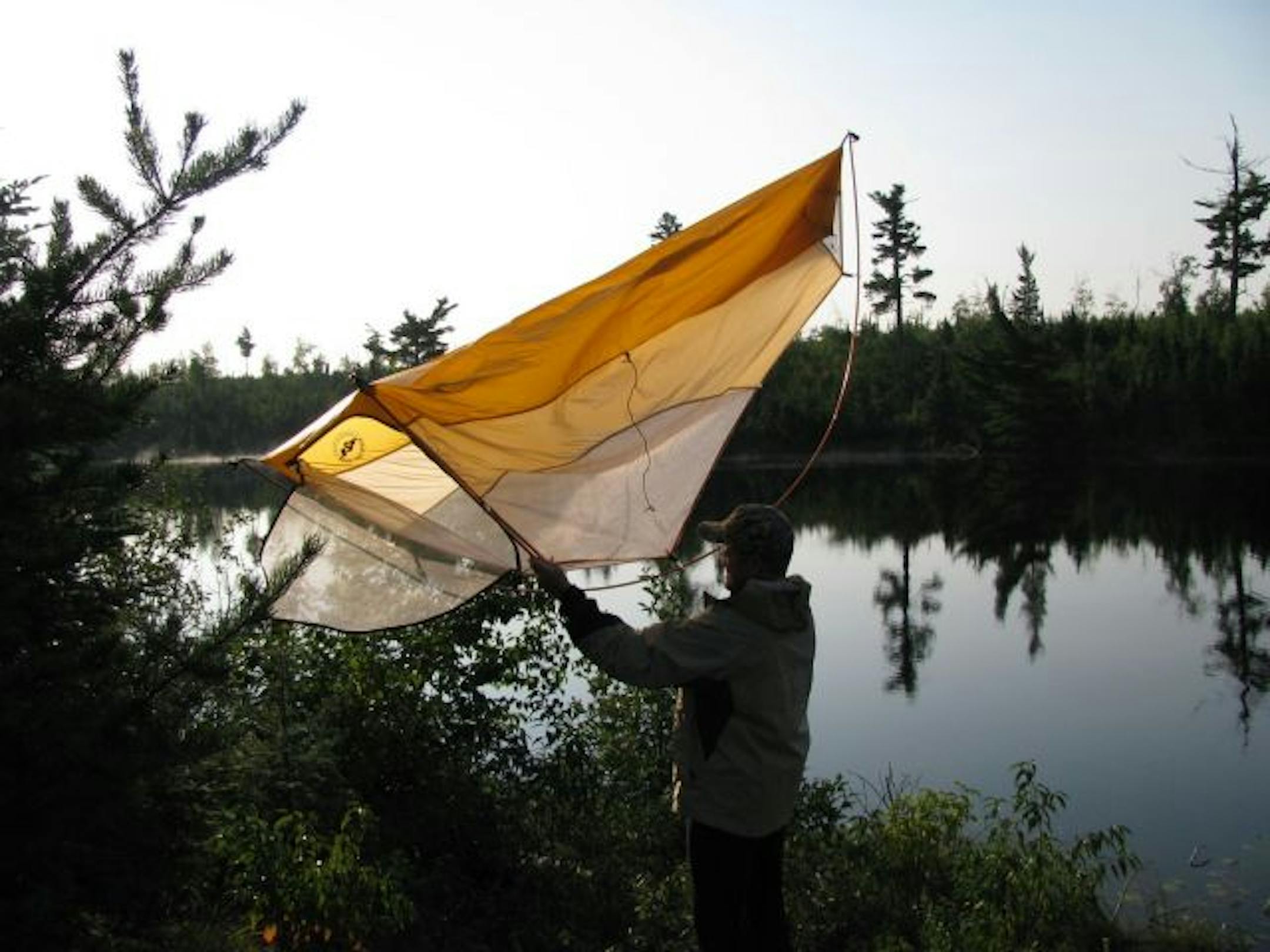
Emboldened by the smoky magic of that single-malt scotch in front of a fireplace last winter, my neighbor Tim Colburn and I resolved that in 2009 we would finally pull the trigger on our dream to hike the Kek.
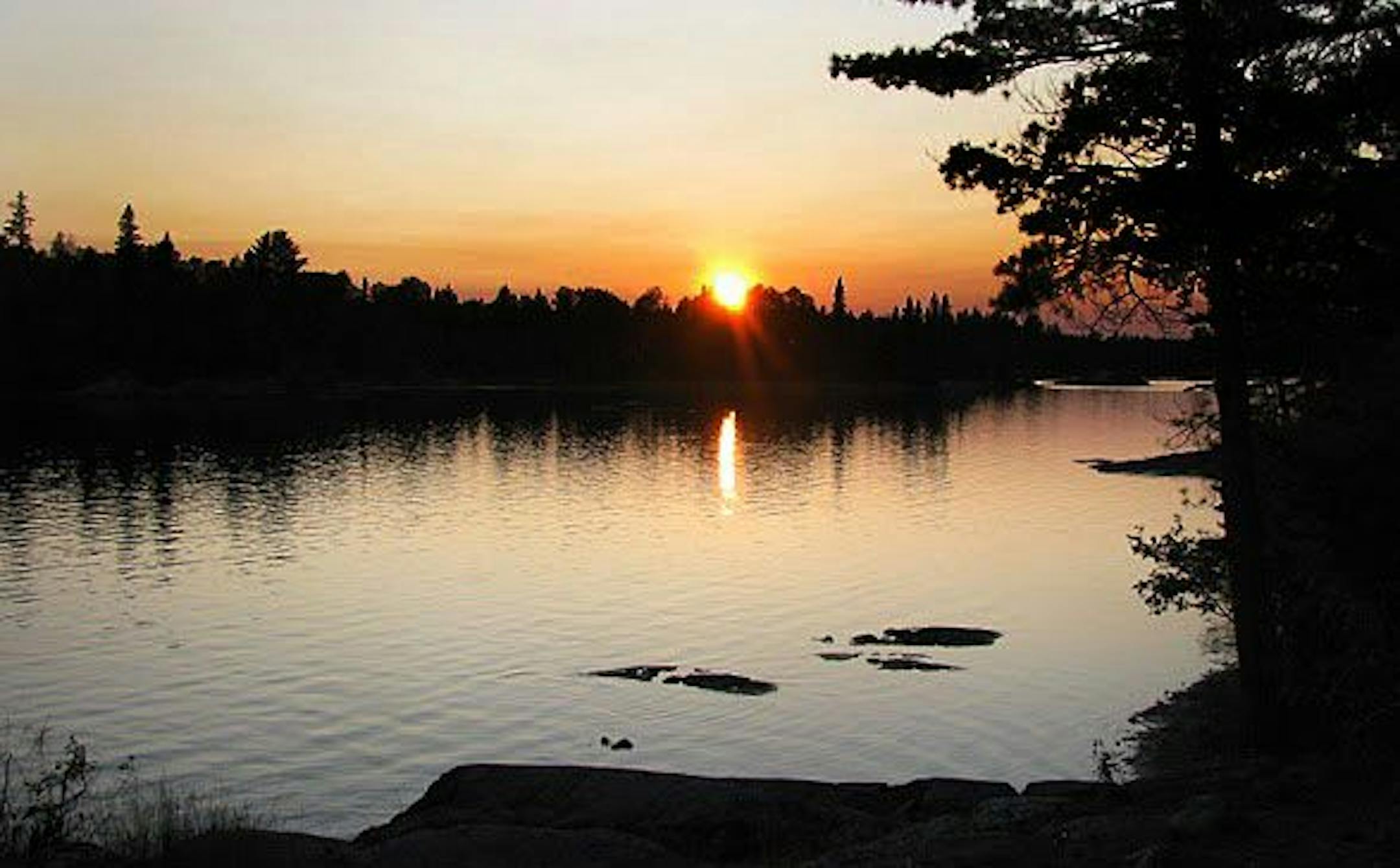
The Kekekabic Trail is renowned among hikers to be Minnesota's meanest, wildest trek. It slithers like an agitated snake almost 40 miles from Snowbank Road, east of Ely, through the heart of the Boundary Waters Canoe Area Wilderness to a point about 50 miles up the Gunflint Trail, west of Grand Marais.
Named for a lake near its midpoint with a name derived from the Ojibwe, "Kekequabic" (meaning hawk-cliff or hawk-iron lake), the trail emerged when foresters hacked through the brush in the 1930s to make a footpath for fire-suppression crews.
In 1949, Boy Scout Whitney Evans captured some of the trail's traits in a description timeless enough that Martin Kubik and Angela Anderson used it in their Kekekabic Trail Guide in 1996:
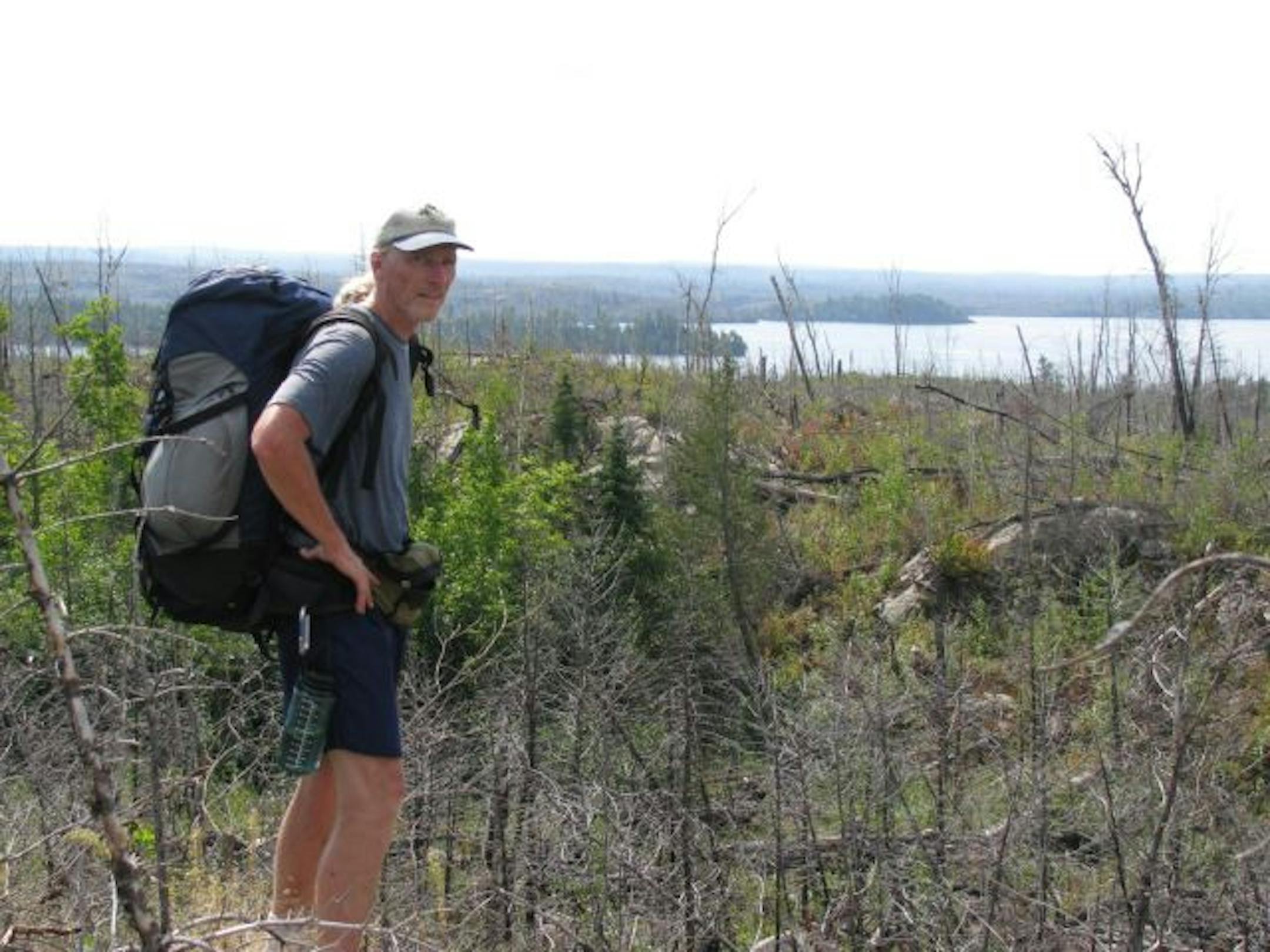
"The trail struggles its way through swamps, around cliffs, up the sides of bluffs, and across rocky ridges. It is choked with nightmarish patches of clinging brush. It is blocked with tangles of windfalls and standing timber. It is pressed in places on all sides by outcroppings of rock.
"Sometimes it snakes its way over old river beds, slippery, rocky and treacherous. In other areas it is a peaceful path loping through open stands of timber with a soft, mossy carpet underfoot."
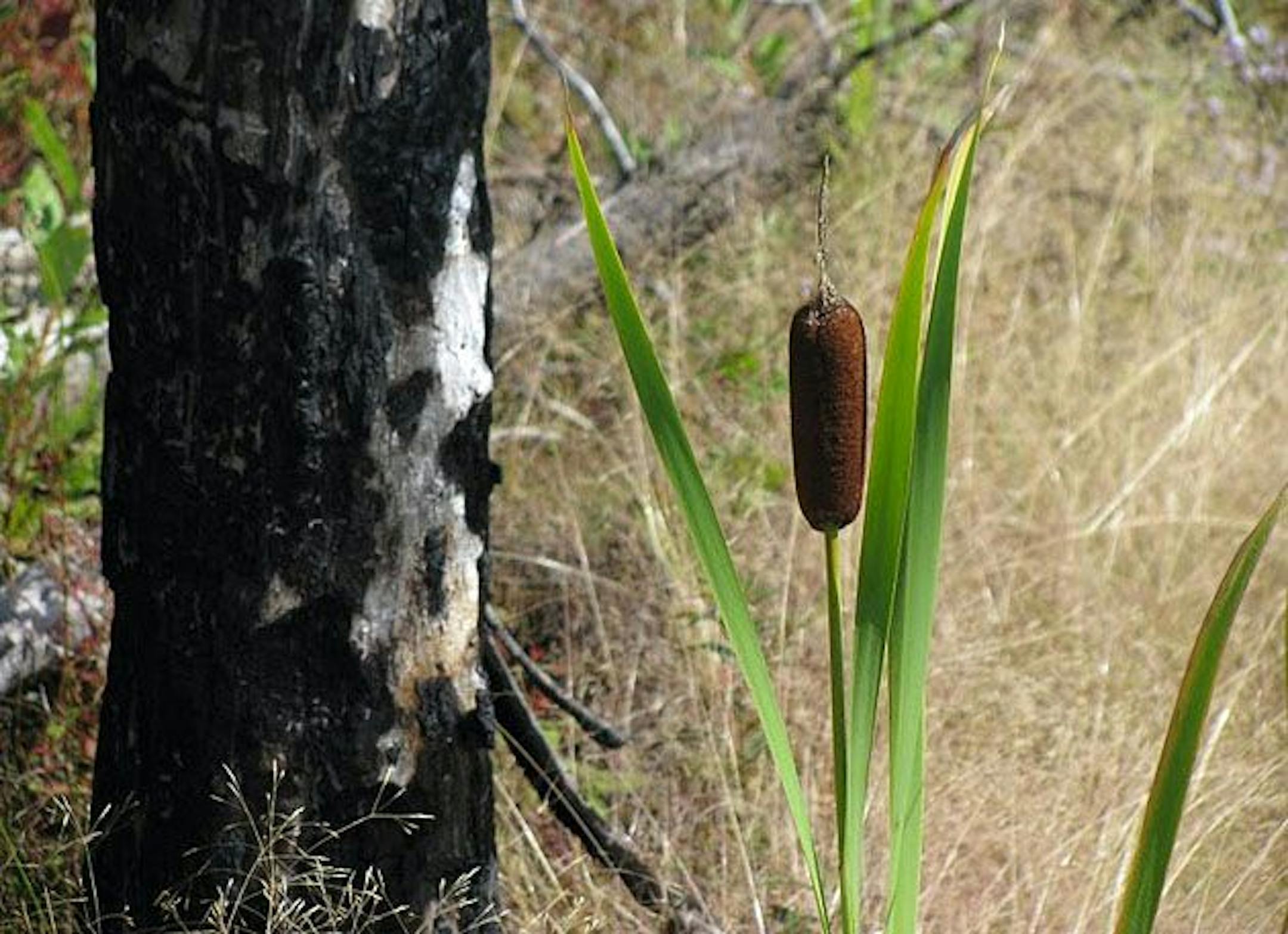
It went from tough to impassable for a couple of years after the infamous 1999 blowdown flattened the forests along miles of the trail's eastern half. More recently, wildfires ravaged the dead timber, scouring the landscape to bare rock in many places and obliterating all traces of the path.