

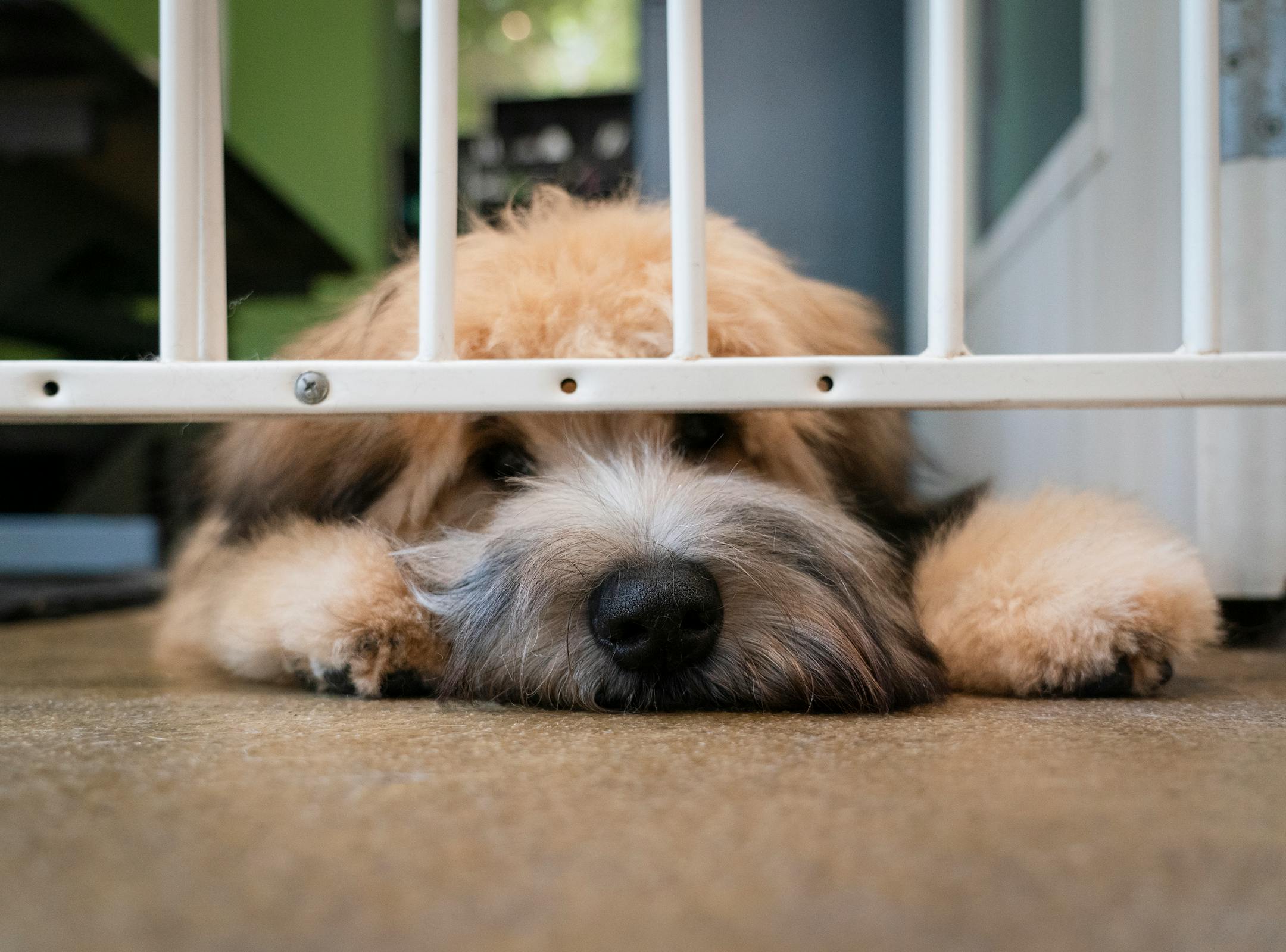
Pandemic-related shutdowns in 2020 gave many people who thought they didn't have time for pets the push they needed to adopt.
But with many offices haltingly bringing employees back and vacations, pet owners and people who work with dogs are starting to grapple with animals' separation anxiety and other problems.
"Dogs who are isolated or not socialized prior to 16 weeks of age are more likely to develop behavior problems later on," said Rachel Malamed, a veterinary behavioral specialist.
The stakes are high: Behavior problems are a leading cause of relinquishment and euthanasia.
Seeking help from a qualified professional early on can help keep pets in the home, improve pet welfare and repair the human-animal bond, Malamed said. Here are some ways to understand if your dog is experiencing separation anxiety and what you can do to help.
Understanding your pet
Malamed said she's seeing a lot of pets with separation anxiety as well as other fears and phobias — including fear of people, noises, walks and other animals. These fears, she said, can be due to a lack of early socialization caused by the pandemic.
Such fears also can result from a lack of training as well as genetic predisposition, said Ingrid Komisar, a certified trainer for Calm Canine Academy, a virtual dog training service. Coronavirus lockdowns halted in-person training for many dogs and stopped many pets from interacting with other dogs and humans.

