When Valerie Edwards bought her kayaks from Costco 15 years ago, she figured they would just be fun for her family to have when out camping. They live outside Spokane, Wash., and they would visit campsites nearby in Idaho, where Edwards grew up.
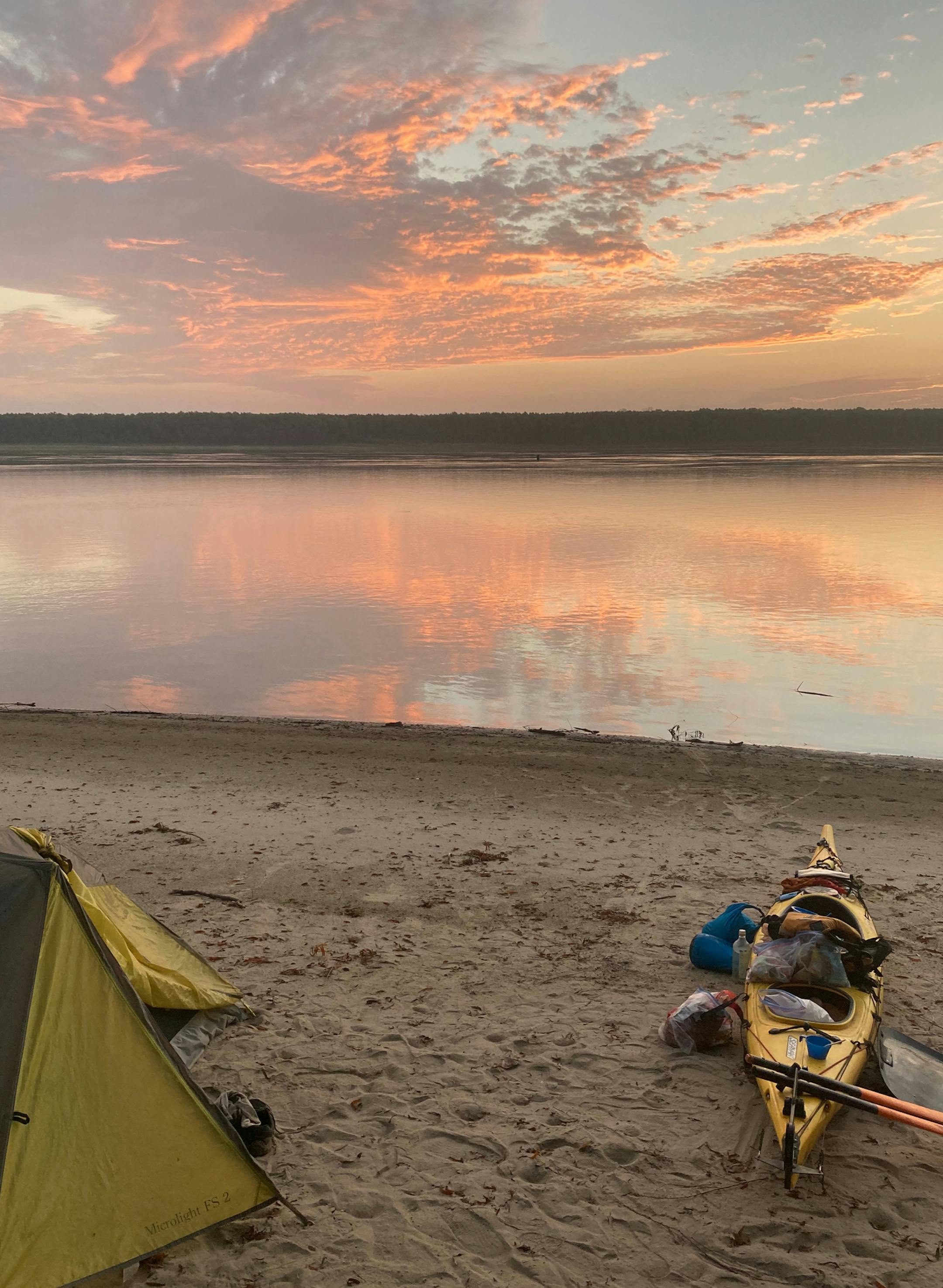
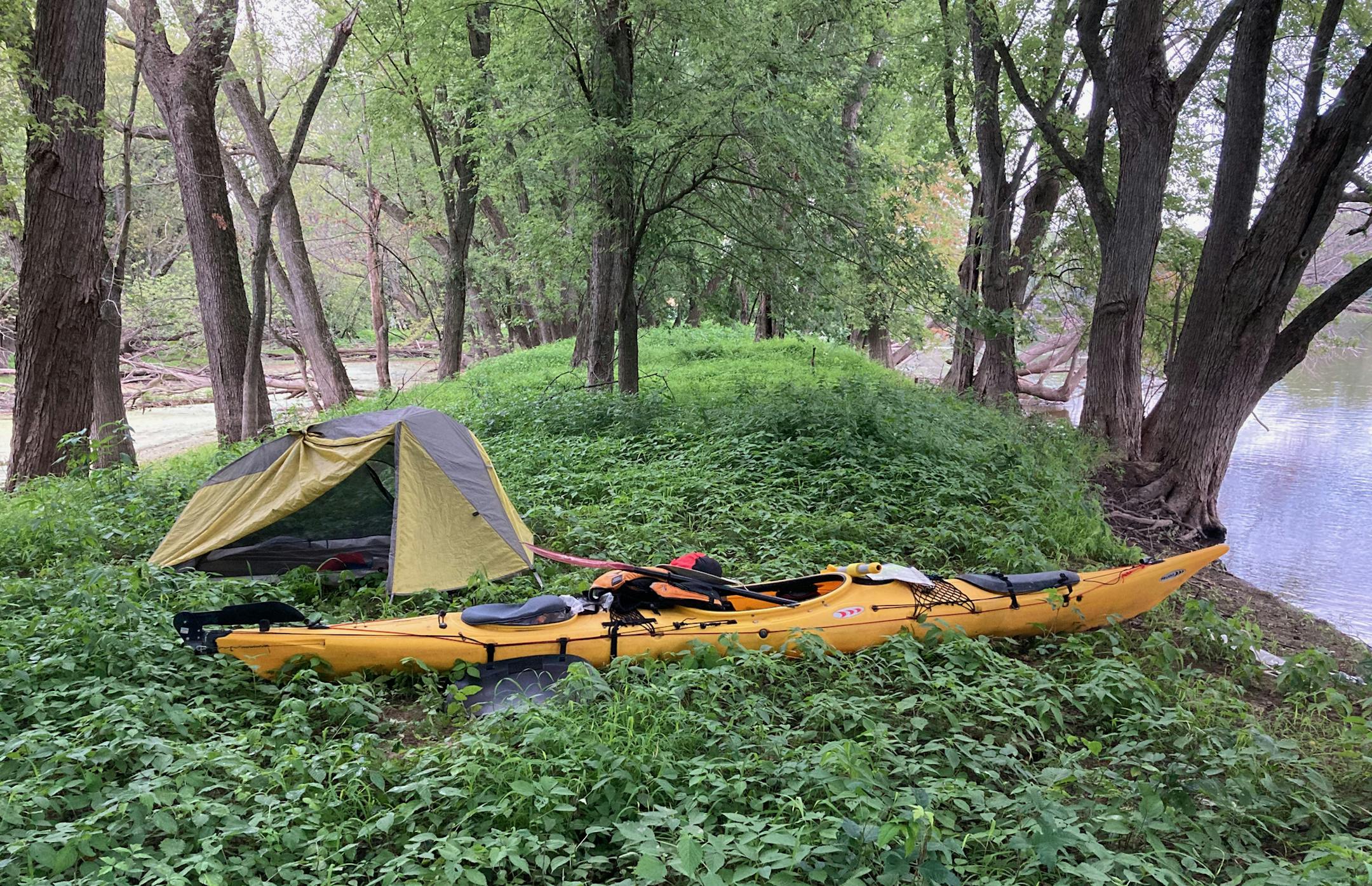
But as the hiking trails there grew busier, Edwards said, she realized that the kayaks weren't only good for paddling around. They could also carry her family away from the crowds — and into adventurous solitude.
"Even if you can find a semiprivate destination to hike into, you have to have somewhere to park your car, and then you hike for two or three hours, and the spot that you think you're going to get is already taken," Edwards said of her Idaho spot. "But kayak-camping is a lot less common, so there are more opportunities to find seclusion."
As the pandemic bred stir-craziness, "7.1 million more Americans participated in outdoor recreation in 2020 than in the year prior," according to a report by the American Canoe Association. Hiking trails, and national parks in particular, have become wildly more popular. Yellowstone and Grand Teton both have seen record numbers of visitors; Arches National Park in Utah has resorted to turning people away via Twitter.
But while park crowds show little sign of abating, some Americans are finding peace in the outdoors like Edwards's family long has: by trading their backpacks for drybags and the trails for the water.
If you want to join them, here's what to know about kayaking before you go.
Start slow
From your safety to the risk of losing expensive gear, there's a lot at stake on the water. "The first thing you should do is be comfortable in your kayak," Edwards said.
It is best, then, to get your feet wet with a part-day trip to a lake or a relatively flat river. "Start easy, and don't go overboard," Edwards said (in either sense). You can look online to find kayak rentals near your destination; personal flotation devices, a safety essential, typically can be rented at the same place.