

It's time to look for more ruby-throated hummingbirds visiting area flower gardens and feeders with sugar water. These are young from this summer's hatch and early migrants coming from Up North.
Purple martins, the largest member of the swallow family, are lining up on utility lines as they prepare for their migration to Brazil. More wood ducks can be seen ashore to feed on fallen acorns. Locally grown sweet corn is sweet, delicious and abundant. Early season apples now ripe include Oriole, Viking, Mantet and State Fair. Hikers are enjoying ripe wild grapes. Ragweeds, both common and great, with their green flowers are shedding pollen into the air and wind. In our part of the country, these ragweeds probably account for more hay fever symptoms than a host of other plants put together.
On these warm August nights, I like to open a window and listen to night sounds in our rural Waconia neighborhood. They are produced by various crickets: ground, black field and snowy tree, which are the loudest and most persistent. The local musicians are in full swing at sunset or soon after. The snowy tree cricket chorus is common in both city and country areas in southern Minnesota. Google them to learn more, and listen to their calls on YouTube. Male crickets produce their calling song by rubbing the ridges of their wings together. They make the high-pitched sounds to attract females. The chirping sounds are made mostly during the night because that is when predators are least active. Female crickets don't sing, but they listen with eardrums near their knees.
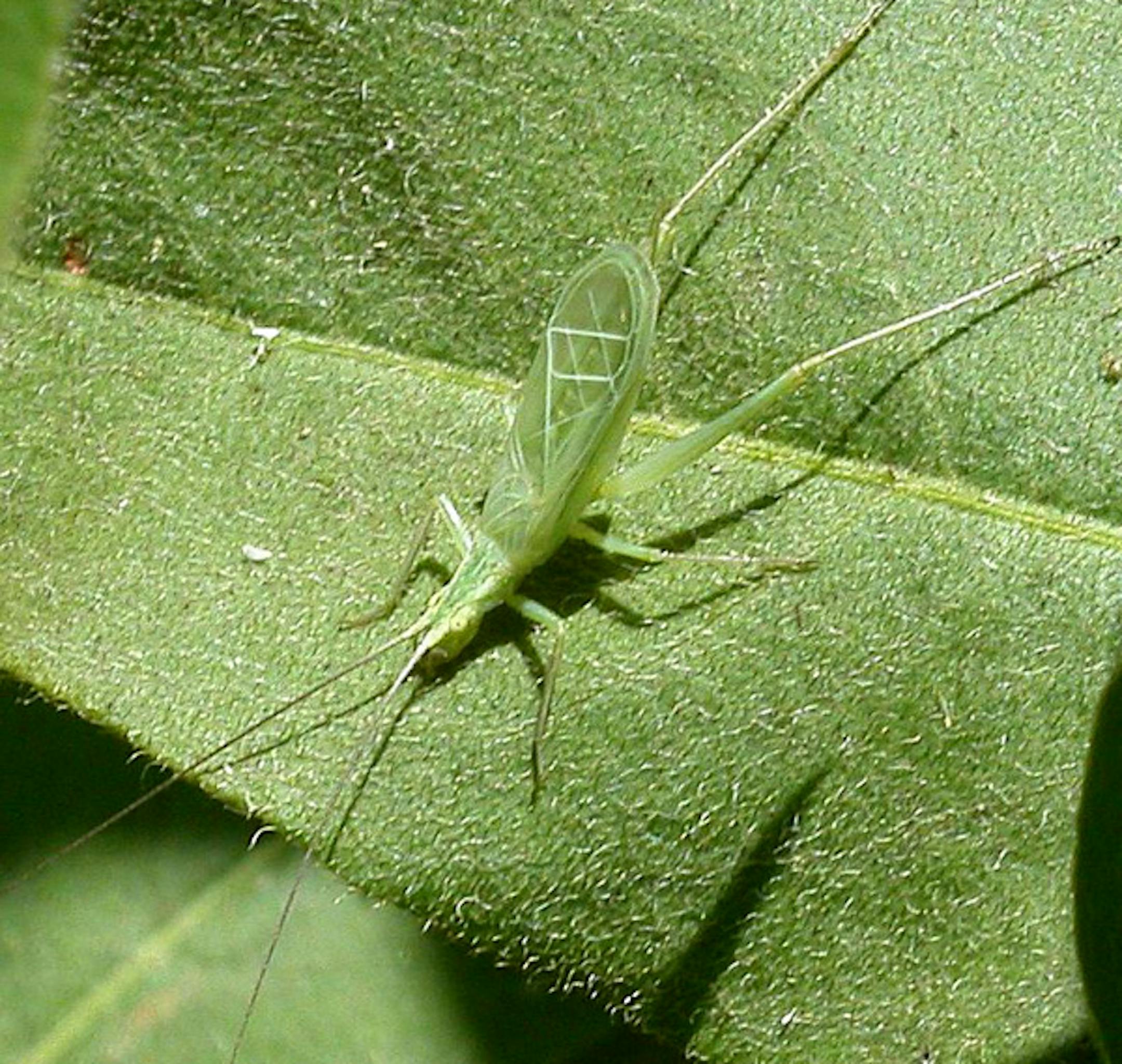
The snowy tree cricket, also called the temperature cricket because it really is a rather accurate thermometer, chirps more times per minute when it is warm than when the air is cool. Count the number of chirps in 15 seconds and add 40 to get a close air temperature reading in degrees Fahrenheit.
Males often sing in a chorus. If the sound seems to be coming from all around, it probably is. Snowy tree crickets' chirp is shrill and continues as "chee-chee-chee." Its sound also is described as "waa-waa-waa" or "treat-treat-treat" — a sleigh bell-like sound.
You may catch sight of this shy, pale-green creature, hardly an inch in length, if you target a shrub with a flashlight. Nathaniel Hawthorne, an American writer in the 1800s, described this melodious night singer as having music like "the sound of moonlight." The snowy tree cricket is heard but seldom seen.
Jim Gilbert's observations have been part of the Minnesota Weatherguide Environment Calendars since 1977, and he is the author of five books on nature in Minnesota. He taught and worked as a naturalist for 50 years.


