SZIGETVAR, Hungary – In the shade of a wiry cherry tree, 72-year-old Jozsef Kovacs was digging in the dry dirt with a large gardening shovel.
"We haven't found a lot this morning," Kovacs said on a recent summer day. "But in October, we found a marble column."
The column was a part of a 16th-century encampment that was unearthed last fall in Szigetvar, a poor city in southern Hungary, by a team of researchers from the University of Pecs.
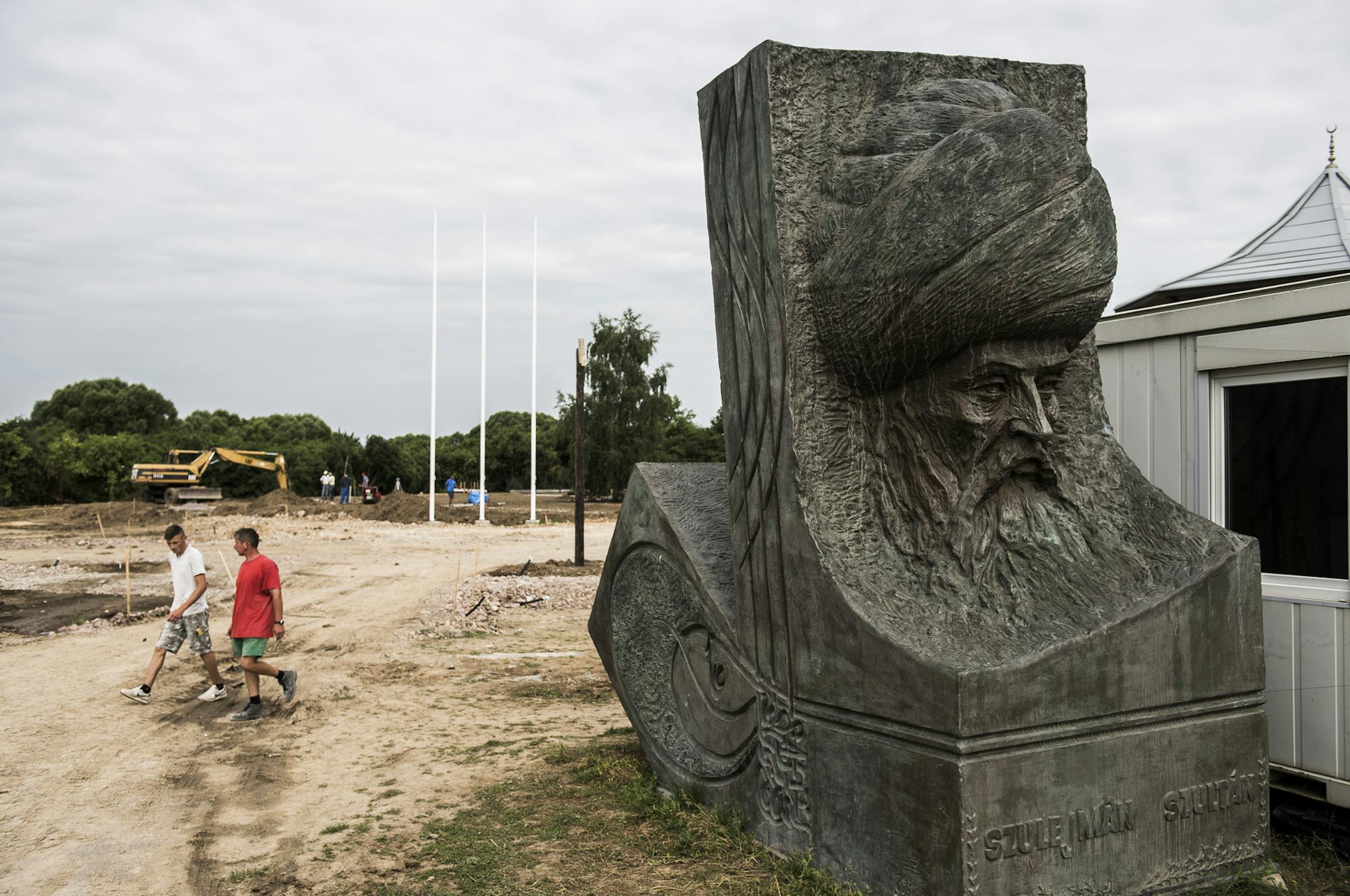
The site is believed to be where Suleiman the Magnificent spent his last night before 50,000 of his Ottoman soldiers sacked a nearby fortress defended by 2,500 Christians led by Miklos Zrinyi, a local Croatian-Hungarian nobleman.
According to legend, it was the final triumph attributed to Suleiman, the great Ottoman sultan, who died in his tent on the eve of the battle in 1566.
His grand vizier kept the sultan's death a secret from his soldiers until after their victory, when his body was secreted back to Istanbul. Ottoman legends say Suleiman's heart and other internal organs were buried in a golden coffin beneath the place where his tent stood.
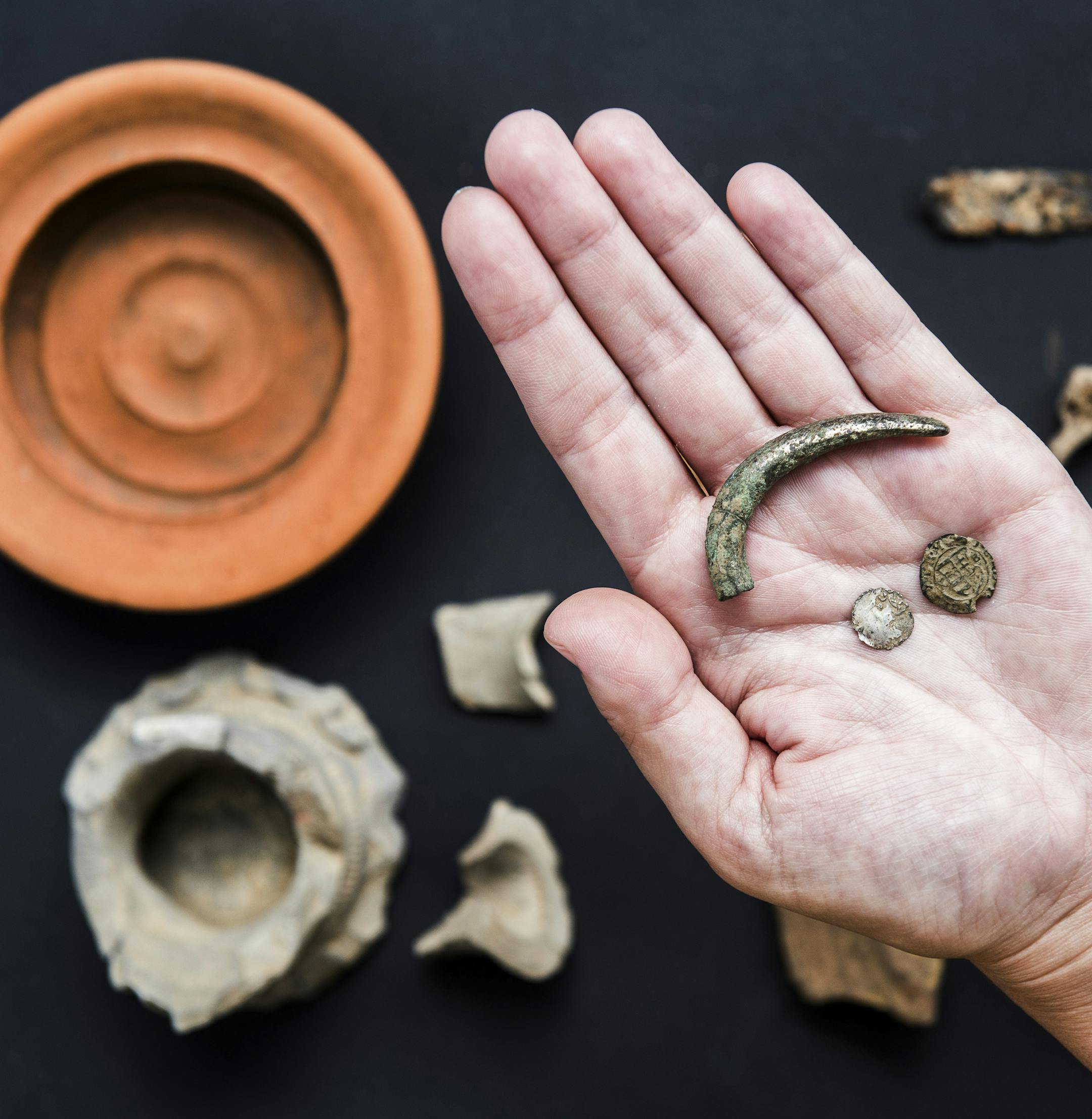
The discovery last year of the camp site, and other Ottoman relics, has led researchers to cut dozens of trenches at the excavation site in Szigetvar, about 20 miles from the Croatian border, and attracted treasure hunters in search of the buried heart of Suleiman the Magnificent.
"We wanted to cast some light on those legends and restore the fame of the city of Szigetvar," said Norbert Pap, who has been leading the excavation.