Many bird species had a tough June. The frequent and heavy rains destroyed some nests and in certain cases nestlings. Some bird species had a chance to nest again. For others, biology made that impossible.
Hard hit were species nesting in wetlands or on marsh shoreline where rising water levels dislodged or covered nests. Birds nesting on or near the ground in flooded areas also lost nests, eggs, or nestlings. Wind blew nests and contents to the ground.
If loss occurred before the eggs hatched there was a chance the birds would nest again. If, however, chicks were lost, then the breeding season for the parents ended. Once eggs hatch, the reproductive system of the female bird shuts down.
Going into the middle of June, birds simply might not have had time to start over and successfully fledge birds that would be mature enough to migrate or survive winter.
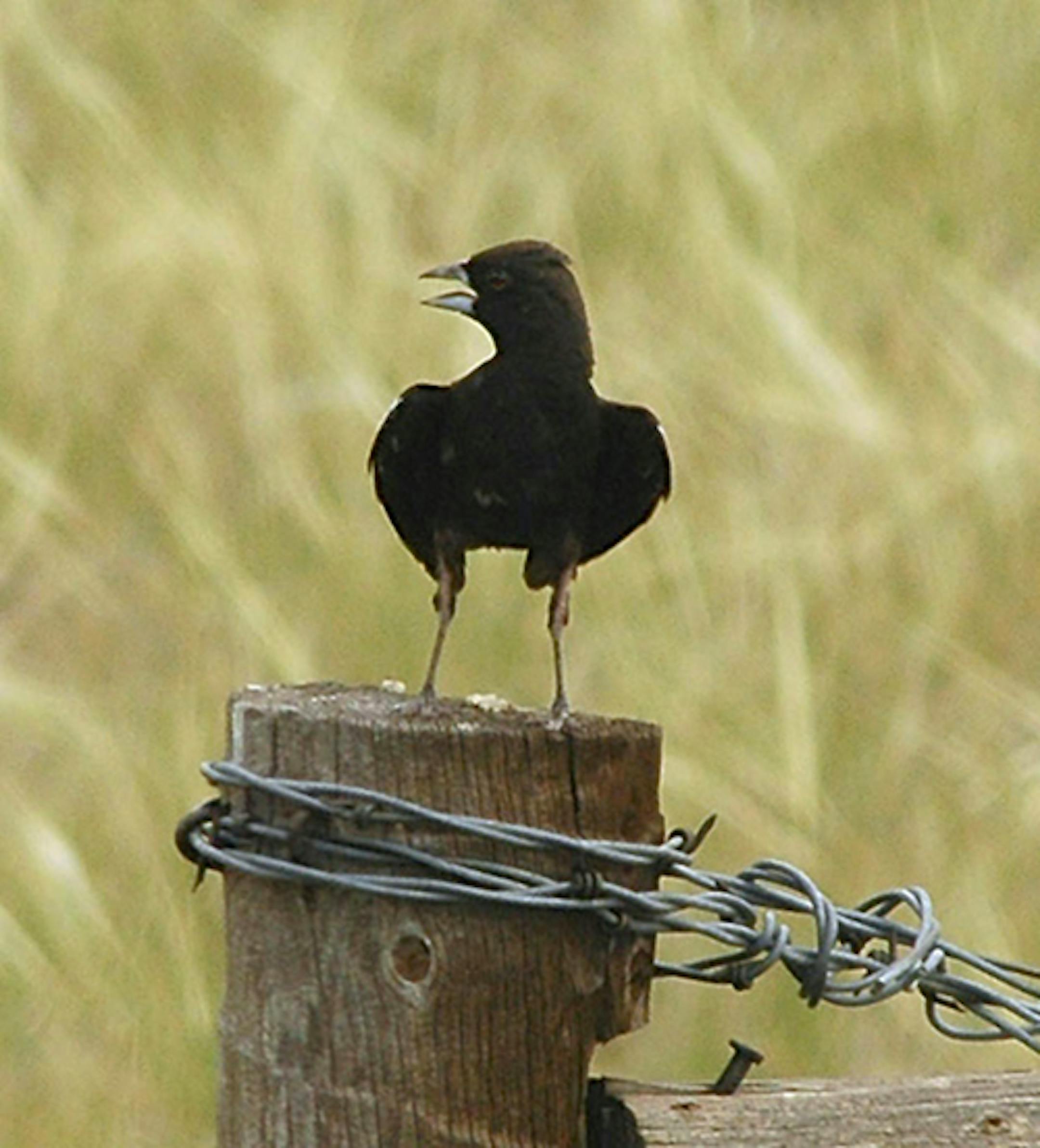
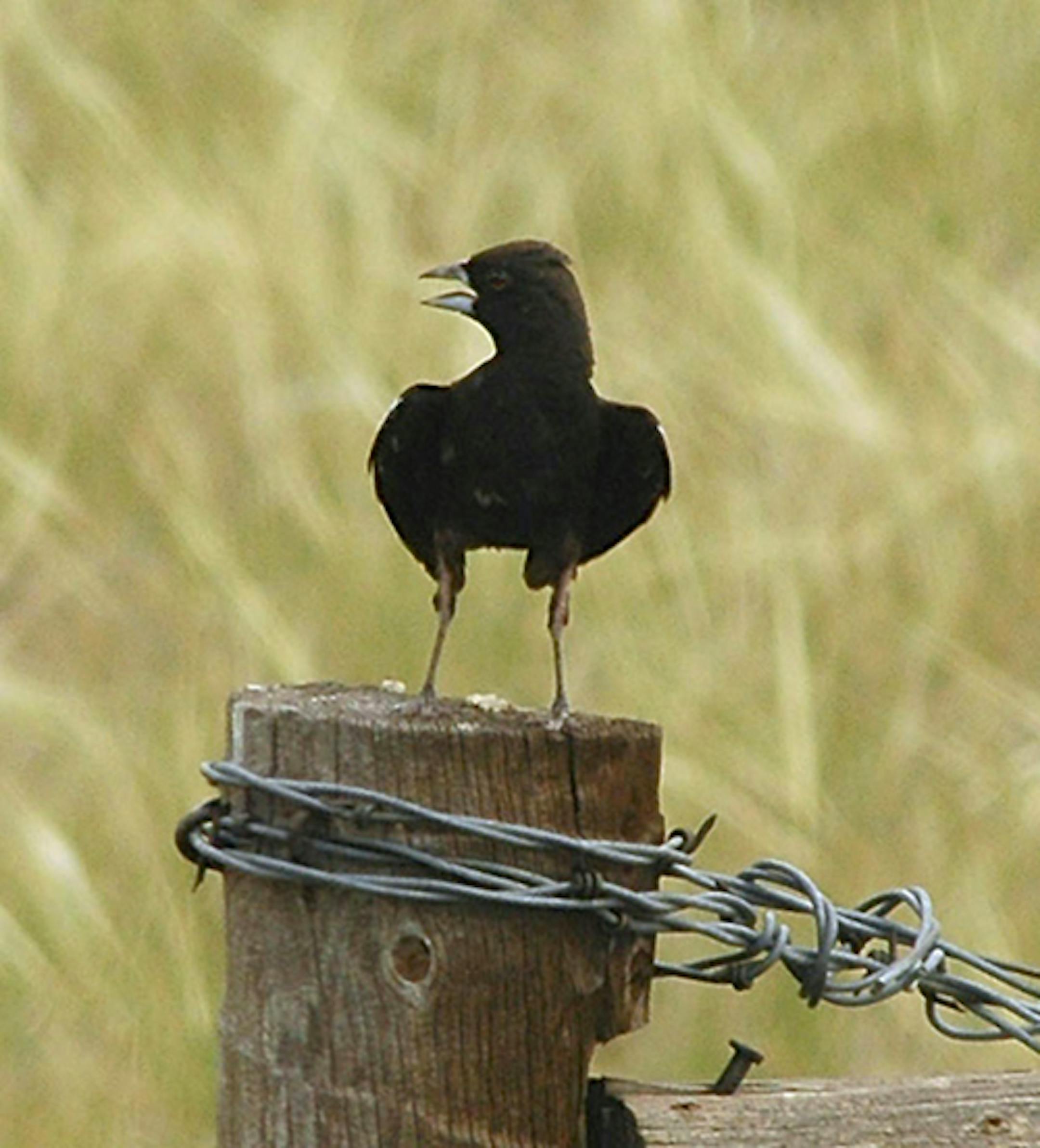
Mark Martell, director of bird conservation for Audubon Minnesota said blackbirds, rails, grebes, and terns in particular were at risk from rising water levels. He pointed out that songbirds, too, faced problems if wet weather made insects hard to find.
Birds feeding hatchlings rely heavily on insects because of their fat and protein content. Missing a couple of days of food because of heavy rains could mean chicks starve.
"This is the kind of situation," Martell said, "where the most fit chicks survive and the weak die."
If we're living in weather's new normal, and it's beginning to look that way, these losses will continue. Birds will nest as they have for millions of years, awareness of extended extreme wind and rain a distant evolution away.