

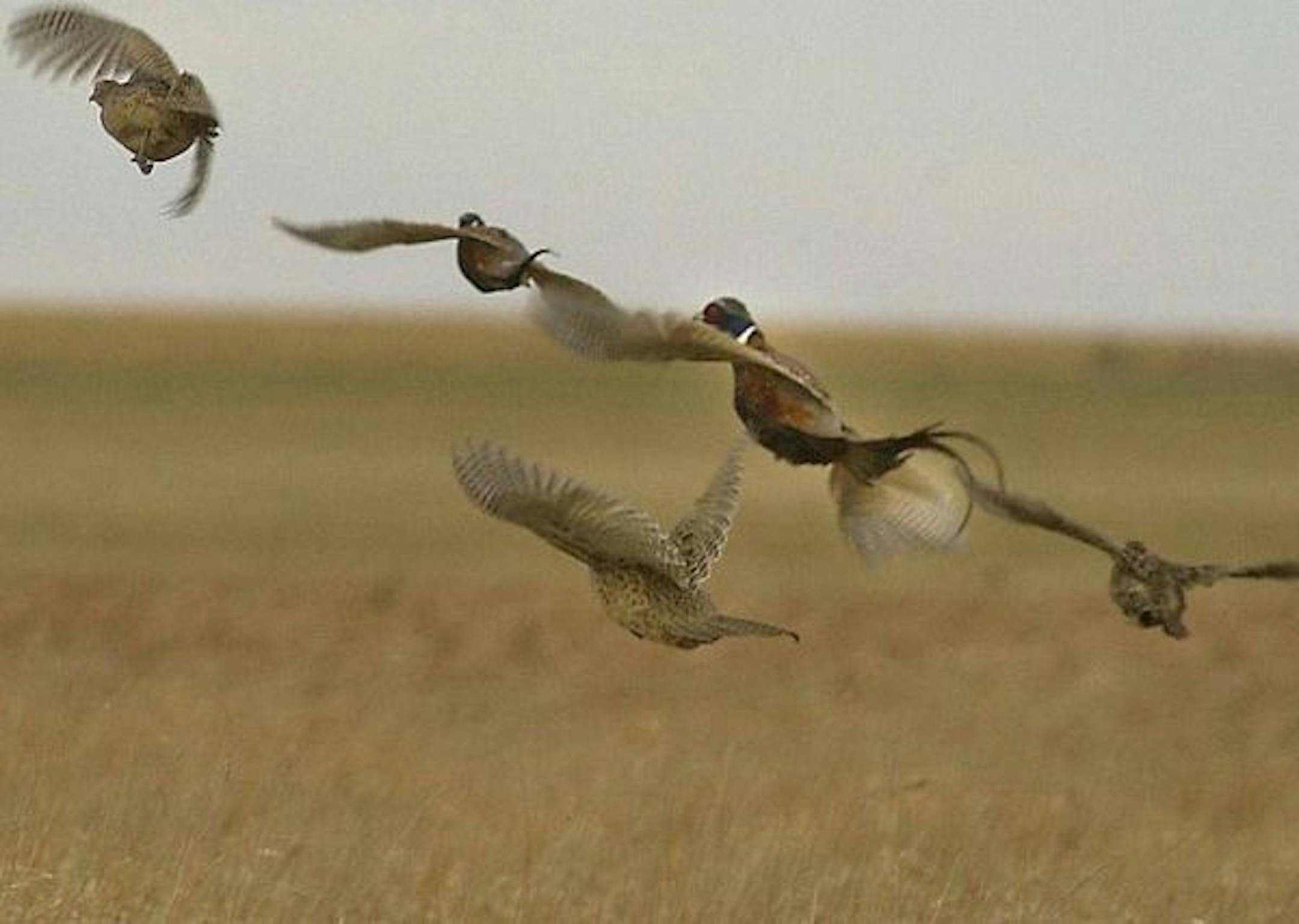
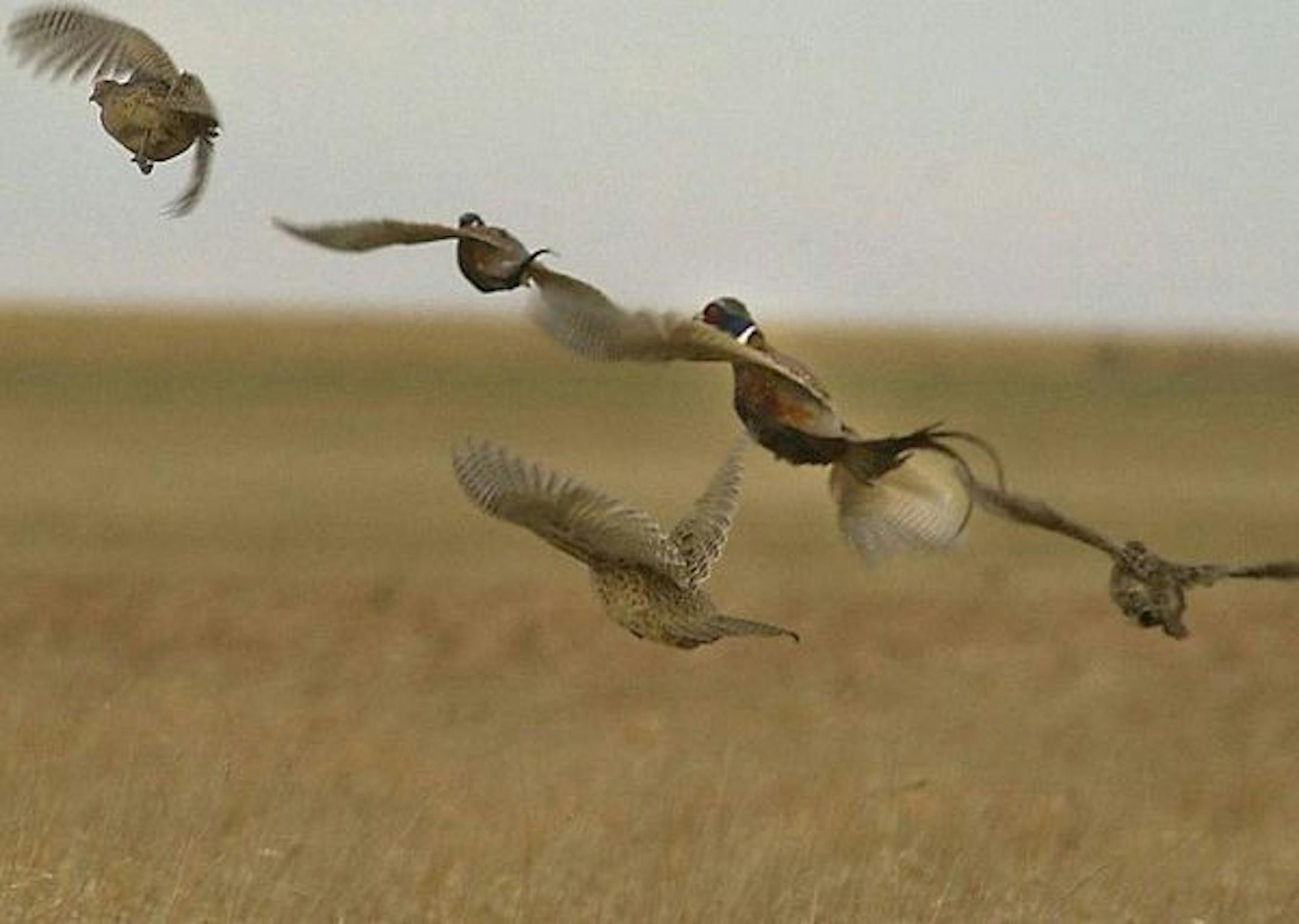
It's no secret pheasant numbers will be down this year. We've lost millions of acres of habitat and CRP contracts are expiring by the bushel. We've also suffered through a long, cold winter and had it all followed up by an unproductive nesting season filled with rain in the north and drought in the south.
All that negativity out of the way, this is pheasant hunting. This is what we live for; days in the field with friends and family, good bird dogs, waving grass, amber sunsets and flushing ROOSTERS! It's pheasant season, the best doggone time of the year!
Considering all the factors in play this year, here are my "Top Ten" strategies you can employ to help put roosters in your vest in 2011.
1) Find Winter Cover this Autumn. The 2010/2011 winter was brutal in the northern tier of the pheasant range. We had extended heavy snow cover and sub-zero temperatures that significantly stressed pheasants living in areas with even good amounts of winter cover. Consequently, when I look for public lands in Minnesota this Saturday for the state's pheasant opener, I'll be focusing on WMAs and WPAs featuring conifer shelter belts, big cattail sloughs, and large willow thickets. My theory will be that these areas of good winter cover would have carried over the largest number of adult birds into nesting season, upping the odds that some hens would have been strong enough to pull off successful broods.
2) Follow the Dog. This nugget is good advice any time of the season, but particularly important this year. I greatly prefer to hunt in small groups of one, two or three guys behind a couple of good bird dogs, rather than in a death-march line of ten. The biggest reason for my preference to hunt in a small group is the ability to follow the dogs wherever they lead. They can put you on birds in places you never would have walked naturally. Following the dog in a group of more than four people, however, is simply impractical and unsafe.
Farmers harvesting their crops can push birds into grassy spots. 3) Harvested Fields. The beans have been coming out fast the last few weeks, while the corn harvest has been moving quickly this week across most of the pheasant range. It's no secret pheasants spend most of their day feeding in row crops. Stack the deck in your favor by hunting grassy areas near harvested fields.
4) Walk Hard. Lace up those boots and stretch out your hammies, because if you plan to put birds in your bag this season, you'll have to burn some boot leather. You can't put a rooster in the roaster if you're taking a truck nap.
5) The Golden Hour. The best pheasant hunting of the day occurs during the last hour before sunset. Birds move from food sources to grassy roosting cover during this final hour of the day, so it's especially important for public land hunters to be in the field and not burn up their energy before this magical time.


