

Last year's hot Oscar race was between two films ostensibly about technological transformations spurring societal shifts. Beneath the surface, they offered life lessons.
"The Social Network" portrayed Facebook founder Mark Zuckerberg, who made "friend" a verb but couldn't live it as a noun. King George VI, conversely, formed an uncommon friendship with a commoner, Lionel Logue, in "The King's Speech."
Logue helped the king overcome his stutter, the better to rally Brits against Hitler's blitz by using radio, his era's new medium.
On Tuesday, the 2012 contenders were announced. The top nominated films were "Hugo," with 11 nods, and "The Artist," with 10. Each reprises the theme of media innovations inverting whom society values.
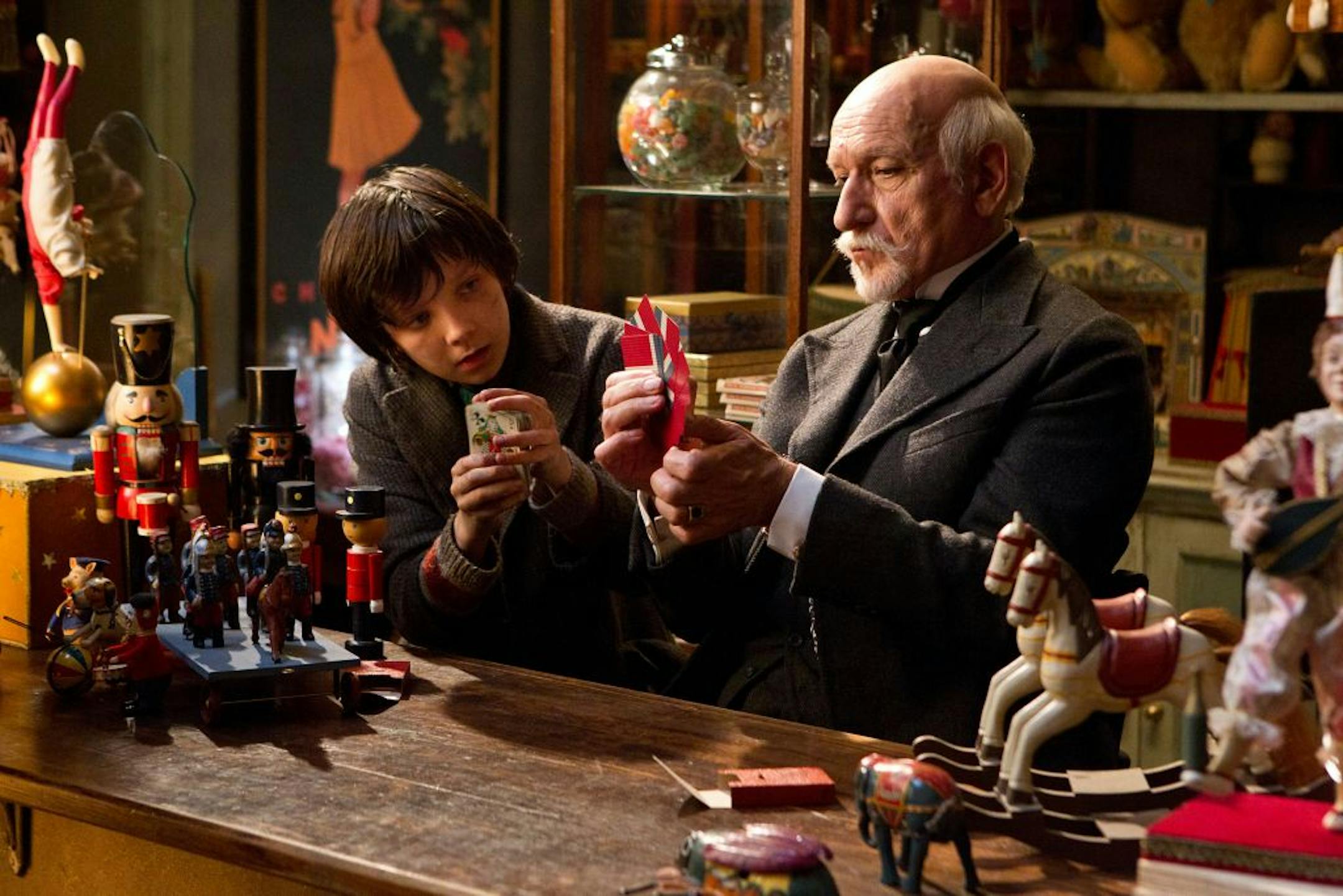
"Hugo" is the story of a 12-year-old orphan, Hugo Cabret, who lives in a Parisian train station in the 1930s.
In trying to unlock a secret left to him by his beloved father, he encounters toy seller Georges Méliès, a cinematic pioneer who transformed movies from mere stunts to vehicles for storytelling.
But Méliès is orphaned in his own way: The magician-turned-filmmaker's legacy does a disappearing act with the cinematic industry he helped found.
"The Artist" is also about a cinematic pioneer eclipsed by an evolving medium. This time it's an actor, George Valentin, whose heart breaks when his career craters after the silent-film era gives way to talkies.


