

It has been almost half a century since I spent five years working on police community relations in the 1970s, first in Maryland, and then three years here in Minnesota from 1973-76. In my last year I headed the police planning division of the Minnesota Commission on Crime Prevention and Control.
This was a citizens' commission under the direction of Robert Crew, who was appointed by Gov. Wendell Anderson. It was set up to administer the significant federal funds for the criminal justice system allotted under the Omnibus Crime Control and Safe Streets Act of 1968 passed by Congress.
The purpose of the legislation was to improve all aspects of the criminal justice system throughout the country through a bureau in the U.S. Justice Department called the Law Enforcement Assistance Administration (LEAA).
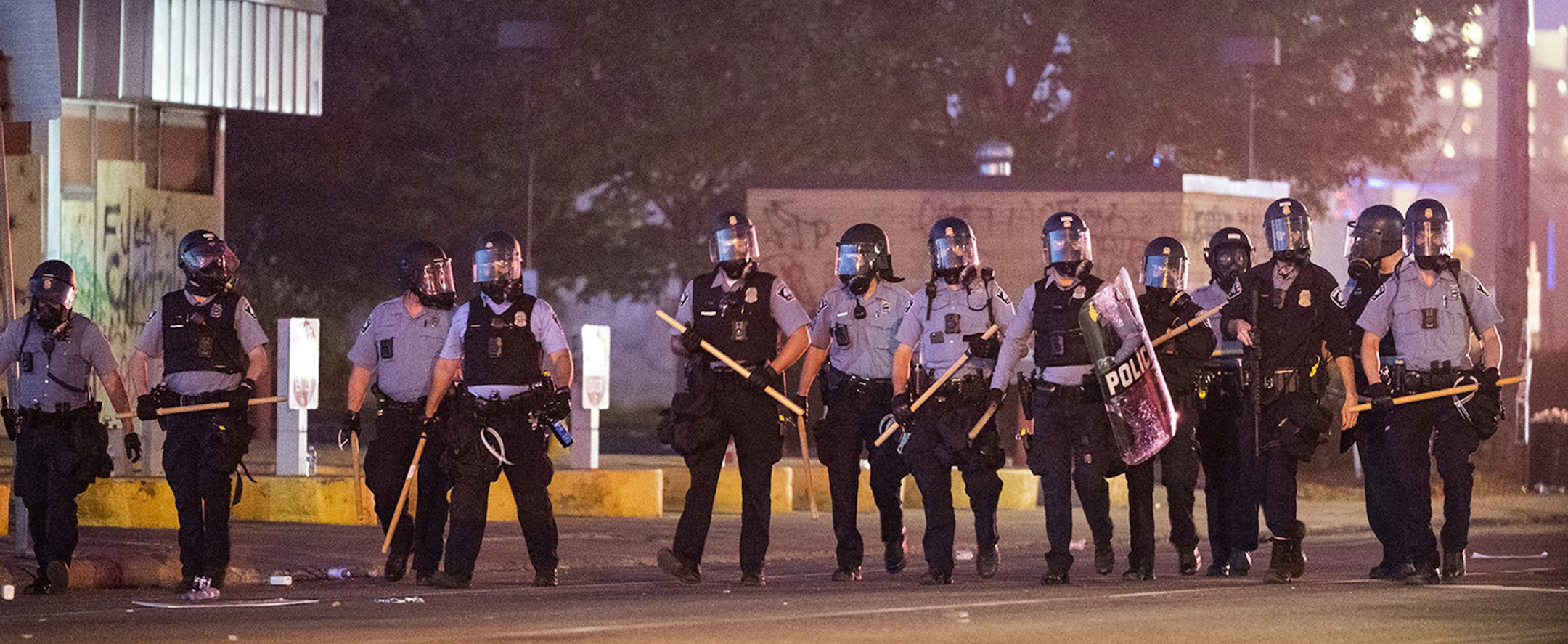
An important impetus for that effort was widespread and destructive rioting in the summer of 1967 that engulfed many major cities throughout America, almost all incited by the killing of African Americans at the hands of their local police. Given the national backdrop of these tensions, our focus, as it pertained to police, lay heavily on improving how police interacted with the community.
While many visionaries in law enforcement leadership agreed with this emphasis, there was huge resistance by many police and sheriff associations to any funding that was not strictly for upgrading equipment and enforcement training. However, programs to improve the caliber of officers and their effectiveness in the community also were funded and institutionalized.
This rather short-lived influx of federal funds for law enforcement died in 1982. And clearly, we can see today that whatever efforts made then and since have fallen short of creating the kind of policing of which we can all be proud.
I believe there are four major problems we identified then that are still problems today:
1) Accountability for unacceptable performance remains a problem. Police conduct must be accountable to elected officials, with internal systems that expose and correct problems. In the 1970s, I witnessed numerous training sessions where some of the participants (certainly not all) had wildly unsuitable responses to situations with people in distress. But police unions could prevent any weeding out of personnel based on suitability of personality for the work, even after management became aware of these problems.


