

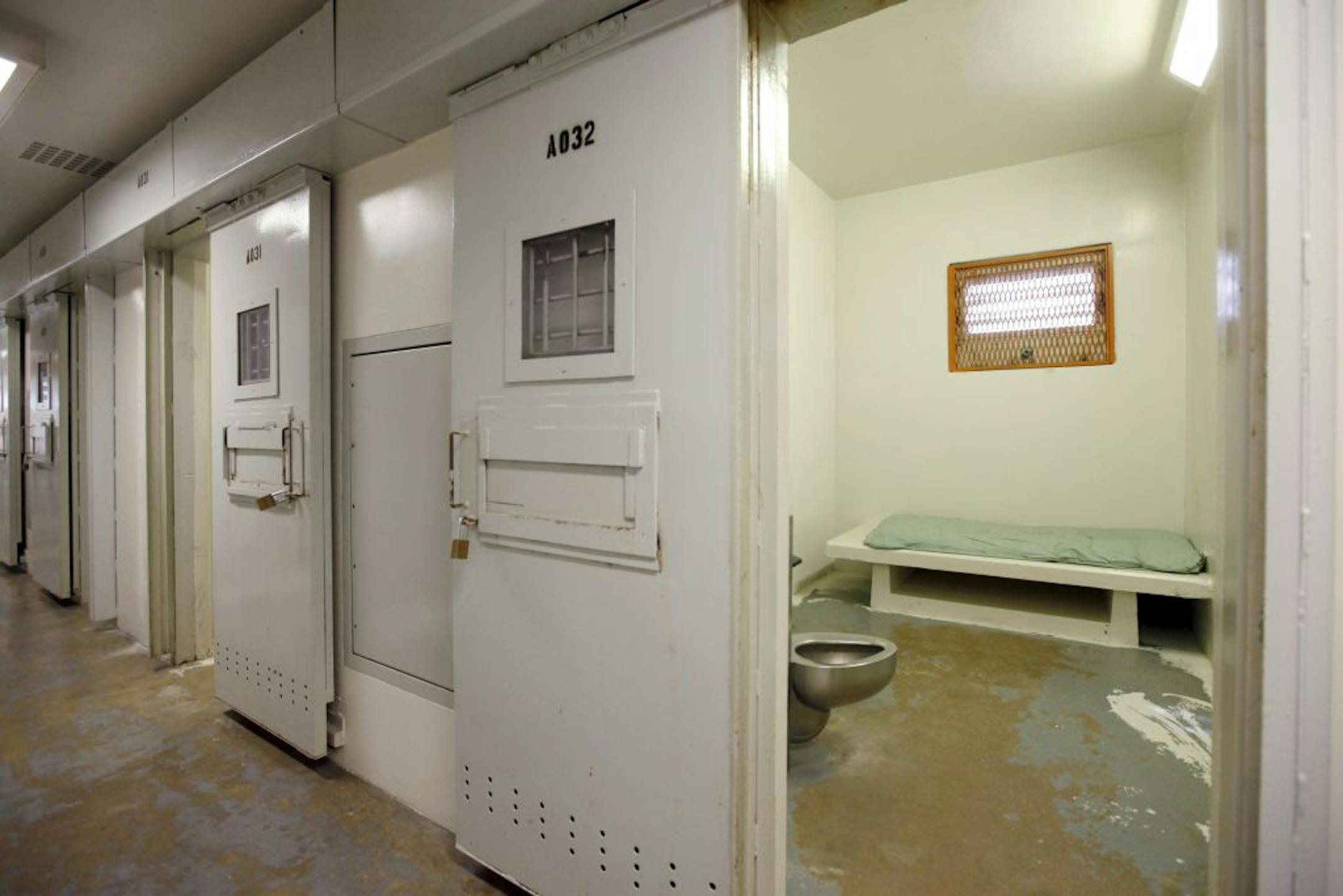
"It's an awful thing, solitary," John McCain wrote of his time as a prisoner of war. "It crushes your spirit and weakens your resistance more effectively than any other form of mistreatment."
The United States is a leading practitioner of this "awful thing," with thousands of prisoners confined to cells, cut off from nearly all human contact, for weeks, months, even years.
The advent in recent decades of the supermax facility, oxymoronically designed for mass solitary confinement, has resulted in about 25,000 prisoners held in such conditions. Tens of thousands more are kept in restrictive segregation units at regular facilities.
The dehumanizing impact of this treatment has long been known. In 1831, after touring a New York prison that practiced an early experiment in isolation, Alexis de Tocqueville wrote, "This absolute solitude, if nothing interrupts it, is beyond the strength of man ... it does not reform, it kills."
Testifying before the Senate Judiciary Committee earlier this year, University of California psychology professor Craig Haney, an expert on the effects of solitary confinement, described how some prisoners become "so desperate and despondent that they engage in self-mutilation and ... a disturbingly high number resort to suicide.
Indeed, it is not uncommon in these units to encounter prisoners who have smeared themselves with feces, sit catatonic in puddles of their own urine on the floors of their cells, or shriek wildly and bang their fists or their heads against the walls that contain them."
That is awful enough. Even more awful is that some of these prisoners are children. Disturbed, even violent, children who have done, some of them, terrible things, at least terrible enough to have them housed in adult jails and prisons.
But children nonetheless. A chilling new report by the American Civil Liberties Union and Human Rights Watch documents the intersecting trends of juveniles held in adult facilities and adult facilities' increased used of solitary confinement.


