

 4:08
4:08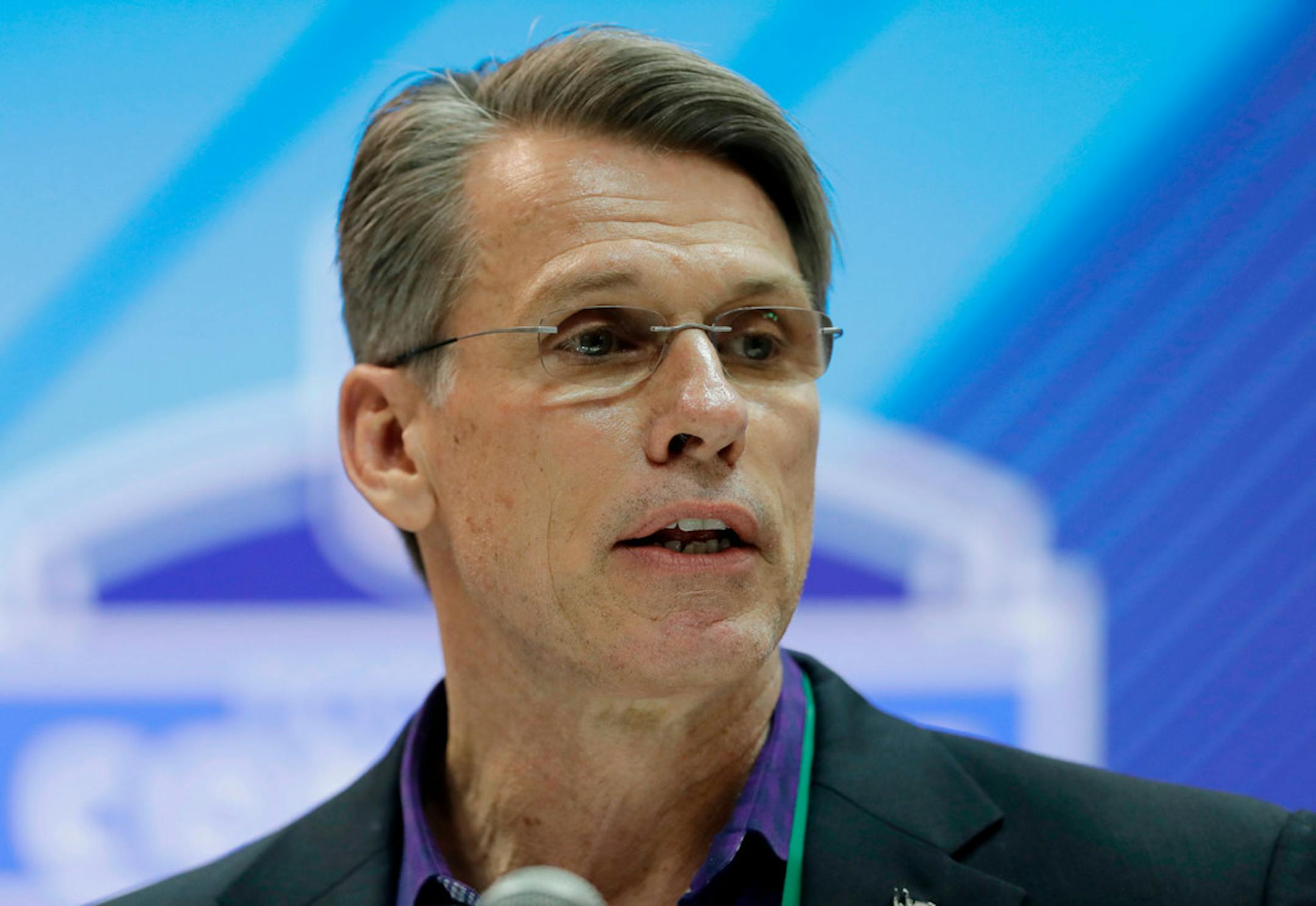
Vikings general manager Rick Spielman said all the right things in his pre-draft news conference with reporters on Tuesday, including this: "Every year is a big draft, but the more heavier or front loaded our roster gets with those big contracts the more important the backups or the role players that you're hoping will develop into starters make a significant difference."
Spielman likely doesn't need further reminders of the importance of the draft even as the Vikings come off one of their best seasons in franchise history, but in case he does here's a quick look back at how poor drafts have slowed the franchise's momentum after similarly big seasons.
In the 1999 draft, the Vikings grabbed QB Daunte Culpepper in the first round and blocking tight end Jim Kleinsasser in the second round but largely swung and missed with the rest of their picks.
*In 2000, they plugged in defensive tackle Chris Hovan with their first round pick, but with nine other selections in that draft the Vikings didn't get much impact or depth.
I*n 2001 and 2002, it was largely the same story: Decent value in the first round (running back Michael Bennett and tackle Bryant McKinnie, respectively) but not much else.
The Vikings went to the playoffs every year from 1997-2000, including two NFC title game berths, but those poor drafts hastened the demise of their championship window. They missed the playoffs from 2001-03 and again from 2005-07.
The cycle didn't really break until 2006 (Chad Greenway, Cedric Griffin and Ray Edwards) and 2007 (Adrian Peterson, Sidney Rice and Brian Robison), helping the Vikings reach the playoffs in 2008 and the NFC title game in 2009.
But in 2010, with the Vikings holding the No. 30 pick — just like they do this year — they ended up trading down with Detroit. Using the Lions' No. 34 pick early in the second round, Minnesota chose defensive back Chris Cook.


