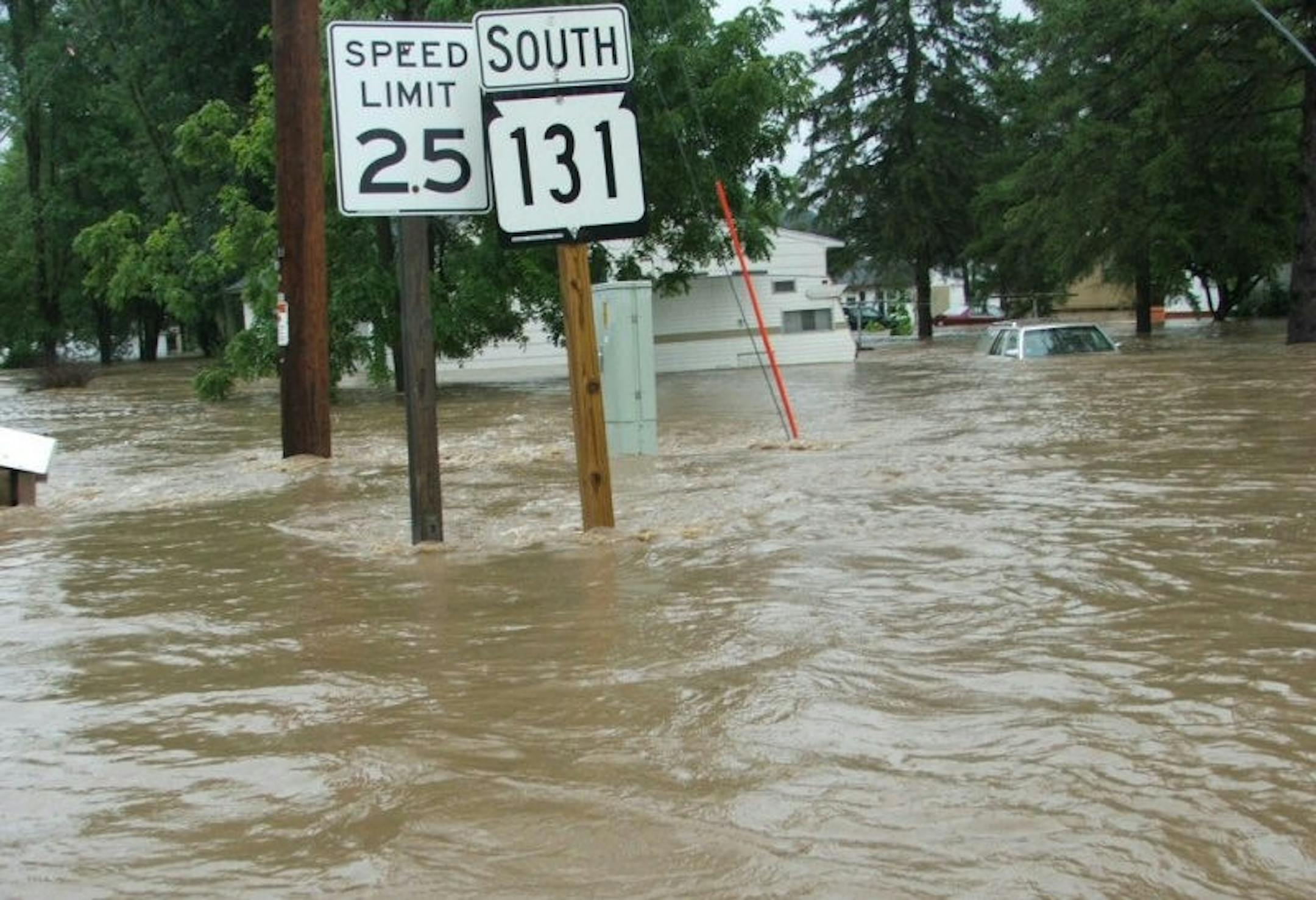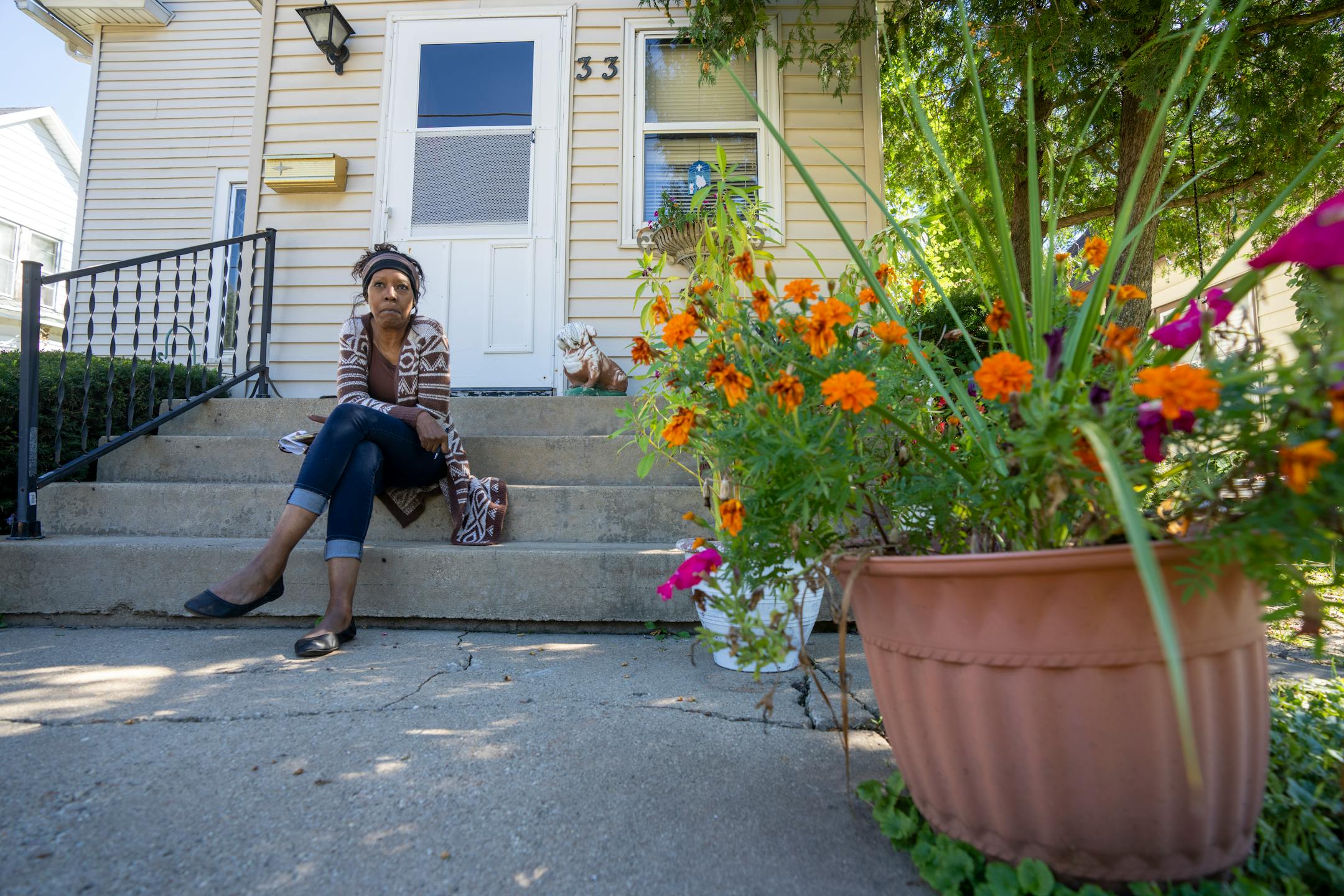
The Pecatonica River runs two blocks from Laurie Thomas' mother's stoop in Freeport, Ill. After a recent two-day deluge, floodwaters reached the basement's ceiling.
But the family has seen worse.
It was Freeport's fifth major flood in just the past four years. Thomas and her mother have experienced flooding at least 15 times in the past 20 years.
As increased rainfall and repetitive flooding strain aging infrastructure in many towns, residents along the Mississippi River ask the same question: Do we pack up and move out? For Thomas and her mother, Freeport, a historical Black community on the east side of town, has always been home — moving is not an option.
"People have always lived over here, and there's always been the Pecatonica, but lately the floods, they've been worse," Thomas said. "But they've been worse everywhere else, too. That's not a reason to kick people out of their homes."
Staying put in the face of flooding can be dangerous and is growing increasingly costly. Property taxes are the largest source of tax revenue for local governments in most states, but property values decline as flood risk increases. Local governments have doubled their infrastructure spending while federal funding remains relatively flat. The federal government covers about 40% of water and transportation construction, but states are left to maintain it.
Billion-dollar weather events are happening more often. Even after adjusting for inflation, there were twice the number of billion-dollar events during the 2010s compared to the decade before.
Without the tax base to maintain infrastructure, sometimes leaving is the only feasible option. But moving away can come with its own pain.