

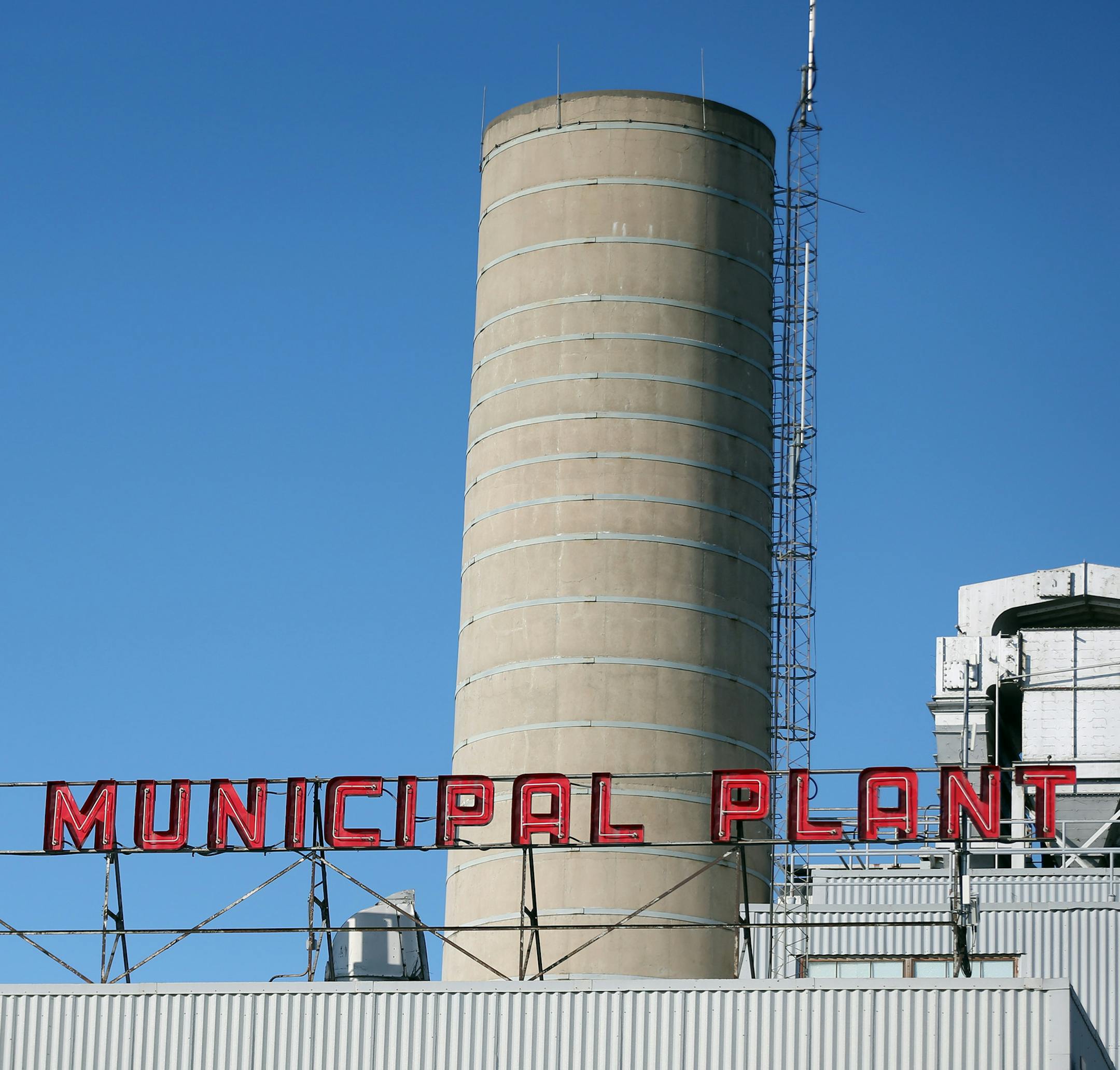
AUSTIN, MINN. – The old power plant that stands on the edge of the Cedar River here no longer cranks out electricity. The turbines were taken out years ago, the boilers broken down.
Yet the Austin Municipal Power Plant is being lauded as the future of this southern Minnesota city by two groups with very different plans: One wants to see the building saved, perhaps redeveloped into hip housing. The other wants to tear much of it down, making way for a new community recreation center.
The 7-acre property is the best, most central location for the recreation center, said Matt Cano, co-chairman of the volunteer committee planning the project. "We look at it as really being part of the revitalization of the downtown."
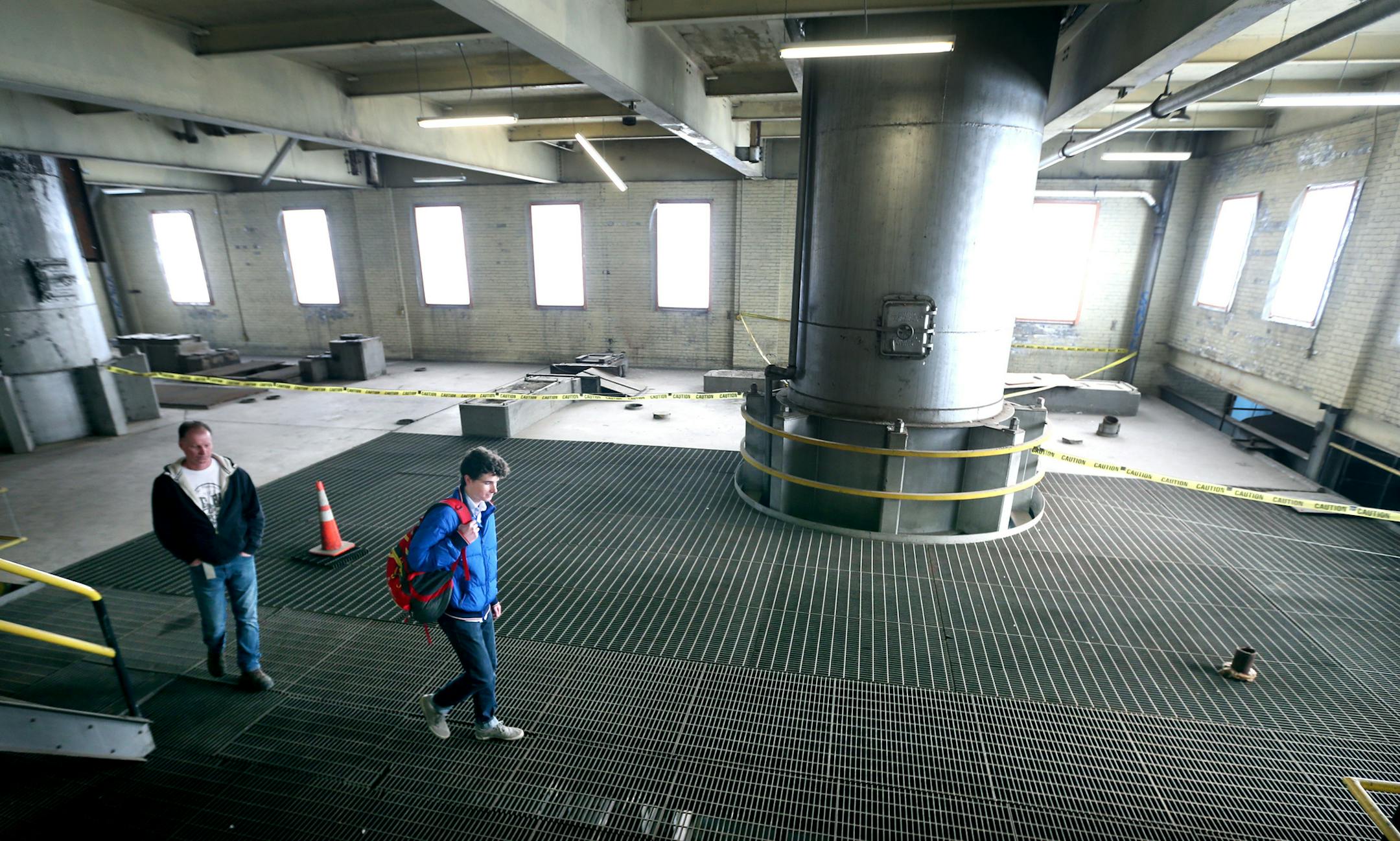
A purchase agreement between Austin Utilities, which owns the site, and the Development Corporation of Austin is in the works. But in recent weeks, some residents have pushed to stop the sale of the old plant, its cornerstone dated 1900. They envision shops or events in the grand room that housed the turbines, condos or office space in the cavernous boiler room.
"Before you knock it down, make sure you've explored every possibility," said Janet Anderson, a City Council member, standing in the so-called "turbine room," where midday light streamed in from a towering wall of glass-block windows.
Anderson, who decades ago fought for the restoration of the nearby Paramount Theater, recently joined forces with Quin Brunner, an 18-year-old resident who believes that "Austin has a poor history of tearing down its significant structures." The pair started a Facebook page, which has more than 260 "likes," and a petition, which has nabbed about 160 signatures.
They are asking the city to hold off on demolition plans. But city leaders backing the recreation center believe the community is ready to build.
The recreation center is "really the flagship project" of Vision 2020, a city improvement effort funded largely by the Hormel Foundation, said Mayor Tom Stiehm. Under a draft plan, the city would own the building and the YMCA would run it, leasing 70 to 80 percent of the space. Austin would pay $200,000 a year for operating costs.
![Austin City Council member Janet Anderson talked about her efforts trying to save one of the oldest and most architecturally significant buildings left Wednesday January 27, 2016 in Austin, MN. ] Austin residents are pushing back on a plan to demolish the old power plant and put a recreation center in its place. The city has a troubling history of tearing down its best buildings, some say, and ought to think twice before getting rid of this one, with its red brick and beautiful rooms. But folks](https://arc.stimg.co/startribunemedia/YFZVXE3ATVGZ5TBWN7SBPDMDQI.jpg?&w=1080)
![Tom Stiehm mayor of Austin talked about why he supports the building of a new recreation center on the site of the power plant Wednesday January 27, 2016 in Austin, MN. ] Austin residents are pushing back on a plan to demolish the old power plant and put a recreation center in its place. The city has a troubling history of tearing down its best buildings, some say, and ought to think twice before getting rid of this one, with its red brick and beautiful rooms. But folks with Vision 2020, the gro](https://arc.stimg.co/startribunemedia/255EJI3COWVW55D6DFSNOP4ZUY.jpg?&w=1080)
![Gregory Siems director of Vision 2020 talked about why he supports the building of a new recreation center on the site of the power plant Wednesday January 27, 2016 in Austin, MN. ] Austin residents are pushing back on a plan to demolish the old power plant and put a recreation center in its place. The city has a troubling history of tearing down its best buildings, some say, and ought to think twice before getting rid of this one, with its red brick and beautiful rooms. But folks with Vision 20](https://arc.stimg.co/startribunemedia/OC36V42WN52PO7FTW3AHSMJMPM.jpg?&w=1080)
![Quin Brunner 18, says that he recognizes that this community deeply values preserving our history. With that being said, the downtown Utilities Building, one of the oldest and most architecturally significant buildings left in Austin, is facing the threat of demolition during a tour of the plant Wednesday January 27, 2016 in Austin, MN. ] Austin residents are pushing back on a plan to demolish the old power plant and put a recreation center in its place. The city has a troubling history of teari](https://arc.stimg.co/startribunemedia/TYQ5E6SKSBHJQRATVHVLFZGKTY.jpg?&w=1080)


