MILAN — Most members of the band subscribed to a live-fast-die-young lifestyle. But as they partook in the drinking and drugging endemic to the 1990s grunge scene after shows at the Whiskey a Go Go, Roxy and other U.S. West Coast clubs, the band’s guitarist, Valter Longo, a nutrition-obsessed Italian doctoral student, wrestled with a lifelong addiction to longevity.
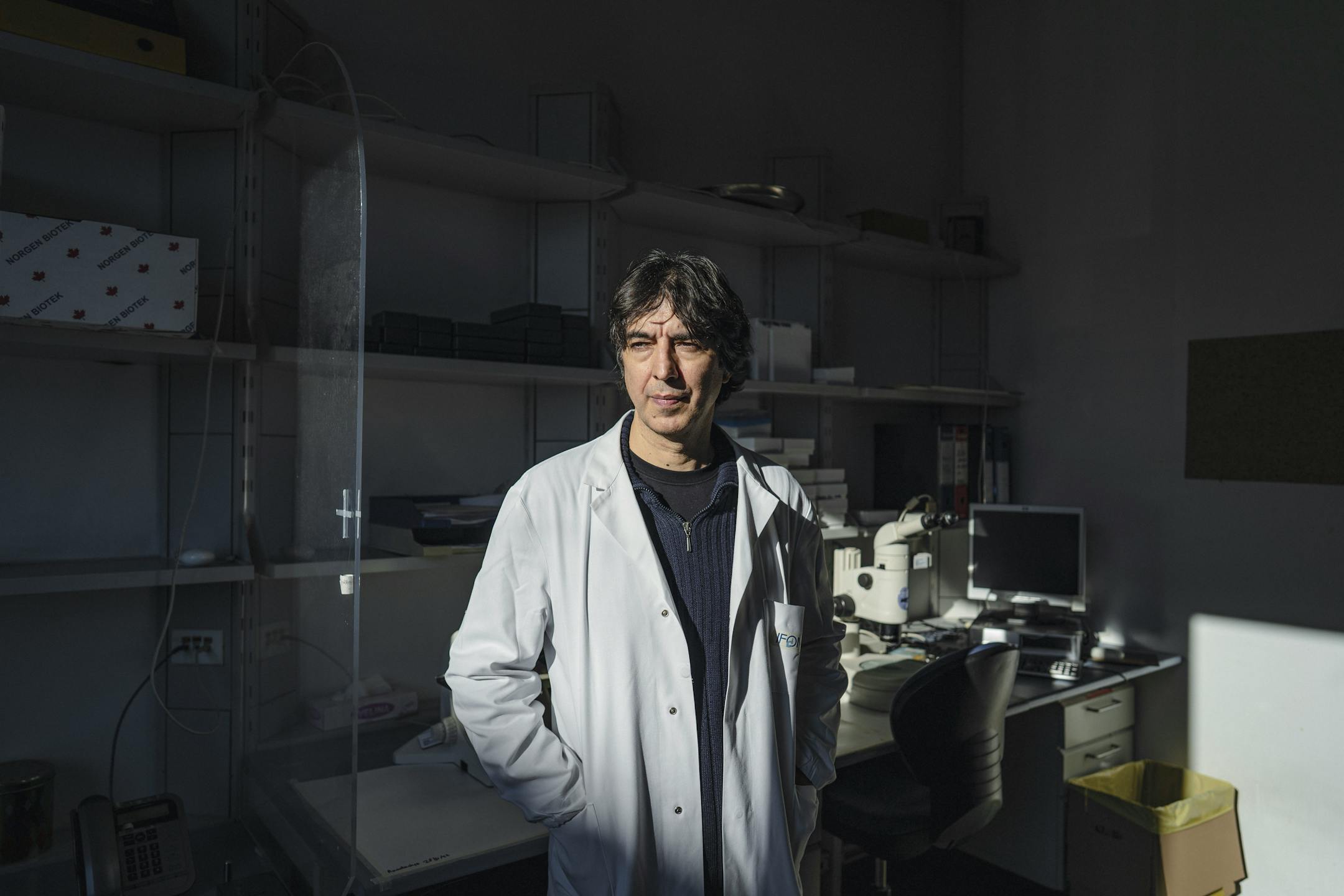
Now, decades after Longo dropped his grunge-era band, DOT, for a career in biochemistry, the Italian professor stands with his floppy rocker hair and lab coat at the nexus of Italy’s eating and aging obsessions.
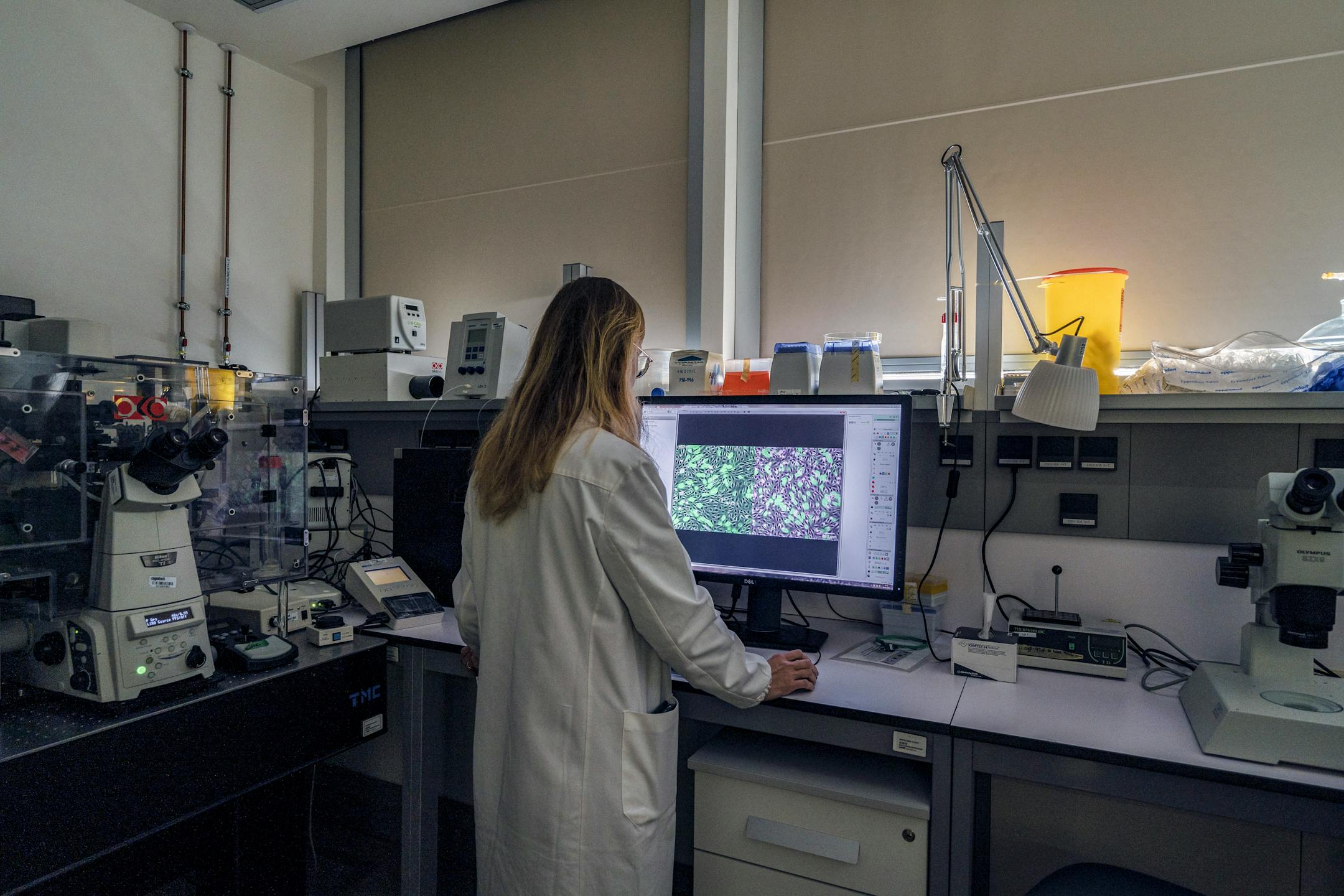
“For studying aging, Italy is just incredible,” said Longo, a youthful 56, at the lab he runs at a cancer institute in Milan, where he will speak at an aging conference later this month. Italy has one of the world’s oldest populations, including multiple pockets of centenarians who tantalize researchers searching for the fountain of youth. “It’s nirvana.”
Longo, who is also a professor of gerontology and director of the University of Southern California Longevity Institute, has long advocated longer and better living through eating Lite Italian, one of a global explosion of Road to Perpetual Wellville theories about how to stay young in a field that is itself still in its adolescence.
In addition to identifying genes that regulate aging, he has created a plant- and nut-based diet with supplements and kale crackers that mimics fasting to, he argues, allow cells to shed harmful baggage and rejuvenate, without the down side of actually starving. He has patented and sold his ProLon diet kits; published bestselling books (“The Longevity Diet”); and been called an influential “Fasting Evangelist” by Time magazine.
Last month, he published a new study based on clinical trials of hundreds of older people — including in the Calabria town from which his family hails — that he said suggests that periodic cycles of his own faux-fasting approach could reduce biological age and stave off illnesses associated with aging.
His private foundation, also based in Milan, tailors diets for cancer patients, but also consults for Italian companies and schools, promoting a Mediterranean diet that is actually foreign to most Italians today.
“Almost nobody in Italy eats the Mediterranean diet,” said Longo, who has a breezy California manner and Italian accent. He added that many Italian children, especially in the country’s south, are obese, bloated on what he calls the poisonous five P’s — pizza, pasta, protein, potatoes and pane (or bread).