

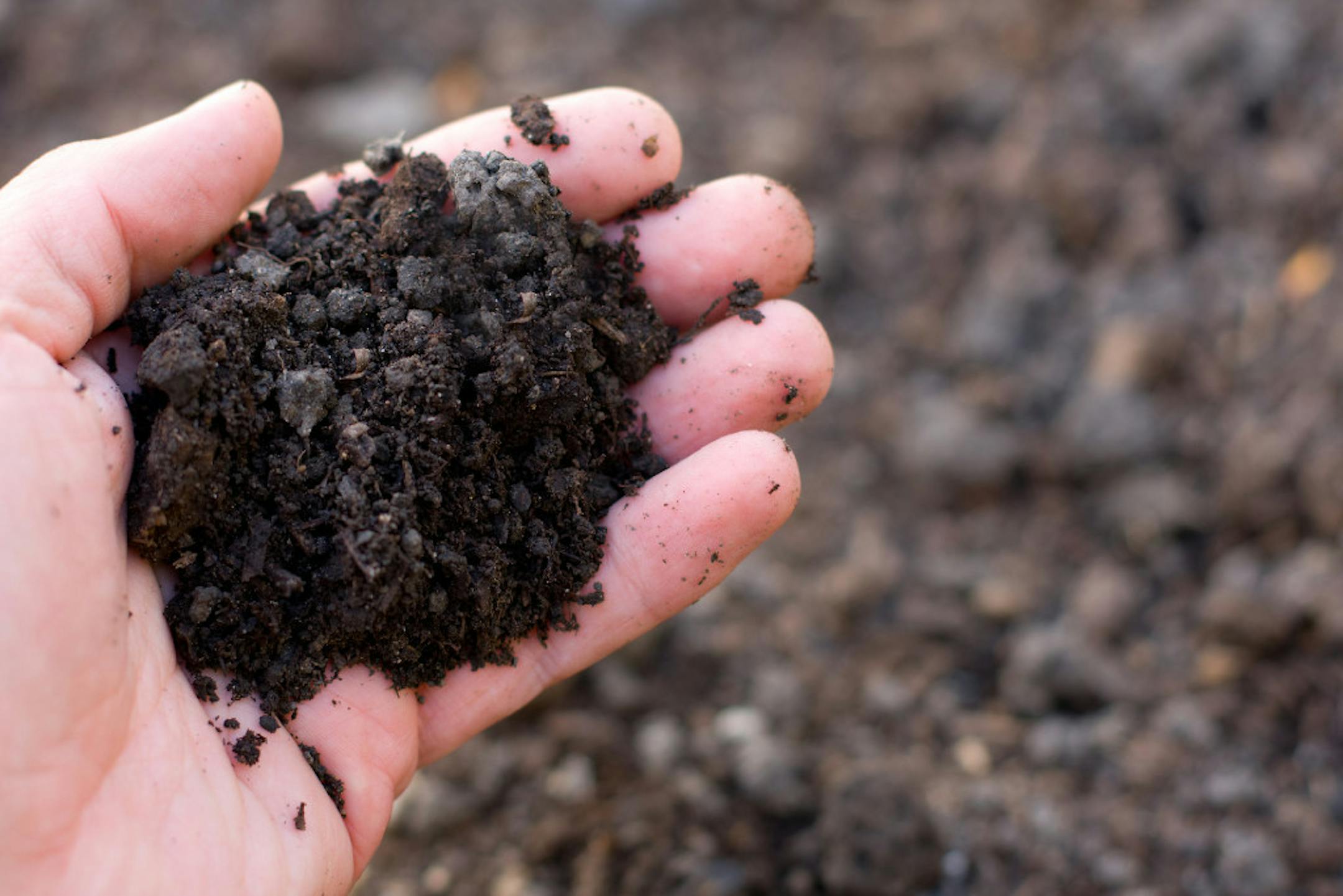
If you're like me, you have your vegetable seed packets all lined up on the counter, and are already sorting and rearranging them while dreaming of culinary treasures to come. But first things first: Before you plant, make sure your soil is ready, too.
Don't get too eager; if you squeeze a handful of soil, does it ball up or fall apart? It's ready to work when it crumbles. It's hard to wait, but well worth it in the long run.
Next up: Nurture your soil, so it nourishes you.
Unlike perennial beds and ornamental borders that can get by with a program of benign neglect, the veggie plot needs an annual boost to ensure a bountiful harvest. This is especially true if you grow heavy feeders like cabbage, tomatoes, beets or corn that can deplete your soil in a single season.
If you've never done a soil test, or if it's been a while, I highly recommend it. You'll find out what nutrients you need, and, more important, which ones you don't. You'll also find out your soil's pH, the measure of acidity or alkalinity.
When I think back on my efforts to achieve that "rich, loamy, well-drained soil" so often described as the perfect growing medium for edibles, you might call it "Adventures in Soil Amendments." Read on, and learn from my mistakes.
Long ago, before the internet, gardeners had to glean information from books. The problem was that many of them were written by folks in England or New England. One author waxed enthusiastically about using wood ash to sweeten the soil. Who doesn't want sweet soil, I thought, as I sifted ashes all around.
But soil is a very local issue. Ashes are great for people in Eastern states with soils that lean to the acidic side, but my region was already alkaline. That folly turned my garden into a toxic waste dump, giving my tomatoes a twisted Chernobyl vibe. Returning the soil to a pH of about 6.0, the actual sweet spot for veggies, took time and effort.


