

Unless Twin Cities residents get serious about giving up old lawn mowers, wood-burning stoves and diesel engines, the state of Minnesota could face costs of up to $240 million a year to meet tough new federal clean air requirements.
For years the Twin Cities region has bumped up against the federal ceiling for damaging pollutants such as soot and ground ozone. This year the U.S. Environmental Protection Agency is expected to tighten some of those standards — and that could force the state to produce a costly plan to reduce air pollution, according to the Environmental Initiative, an umbrella group of industry, government and environmental organizations in Minnesota.
The good news, according to a report prepared for release this week, is that air pollution from large single sources such as power plants and factories has dropped dramatically, thanks to new regulations and technologies.
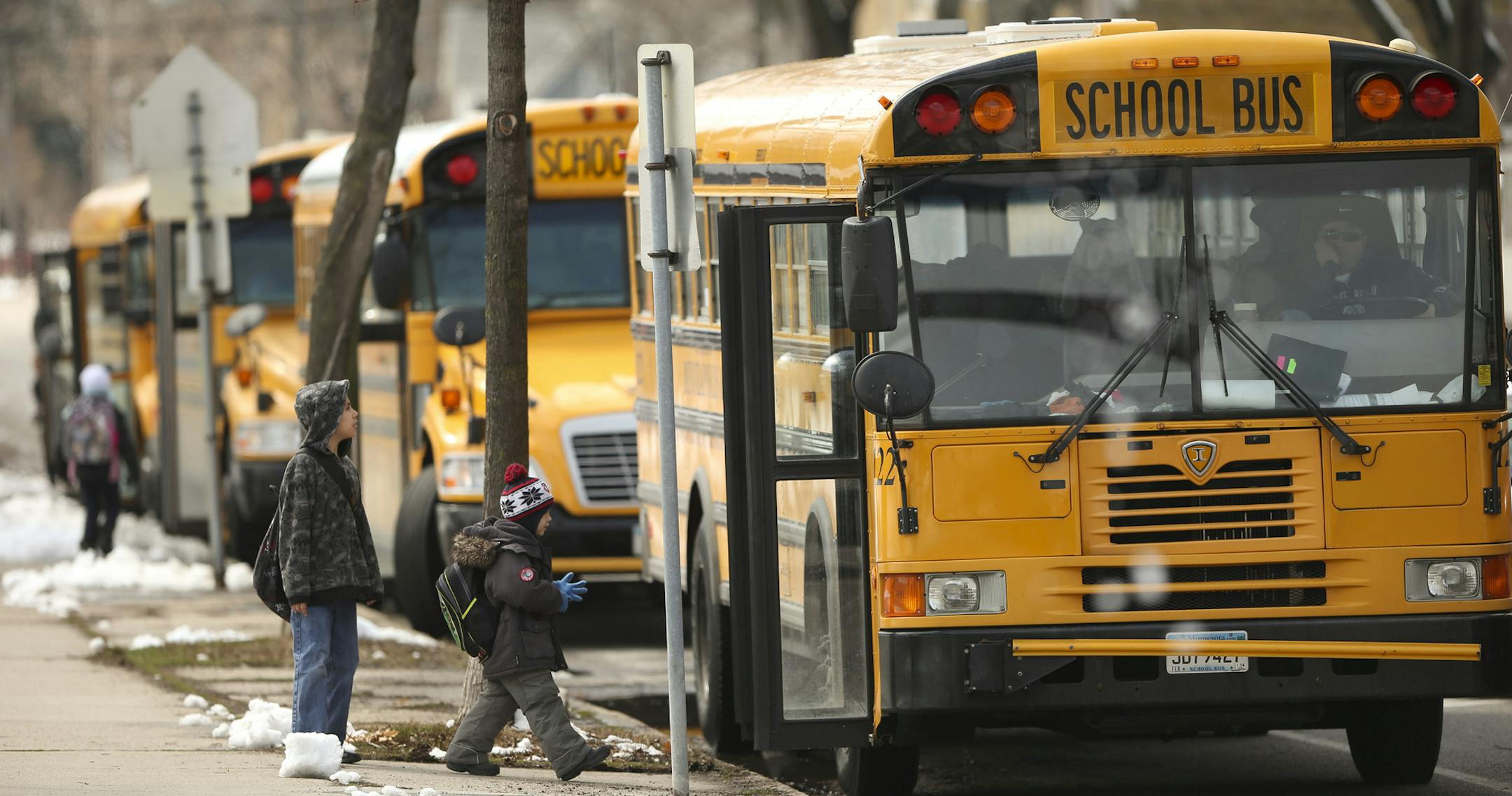
But now the problem is — everyone else. Homeowners. Commuters. Landscapers. Small-business owners. School buses. Back-yard fires.
"That creates a whole different challenge," said David Thornton, assistant commissioner of the Minnesota Pollution Control Agency (MPCA).
In an effort to avoid the EPA's expensive regulatory crackdown, the Environmental Initiative has spent the past year trying to find consensus among pollution regulators, industry officials and representatives from clean air groups.
At a conference on Thursday they are expected to unveil their best ideas — from buying back old engines to educational campaigns.
And the cost of doing nothing.


