

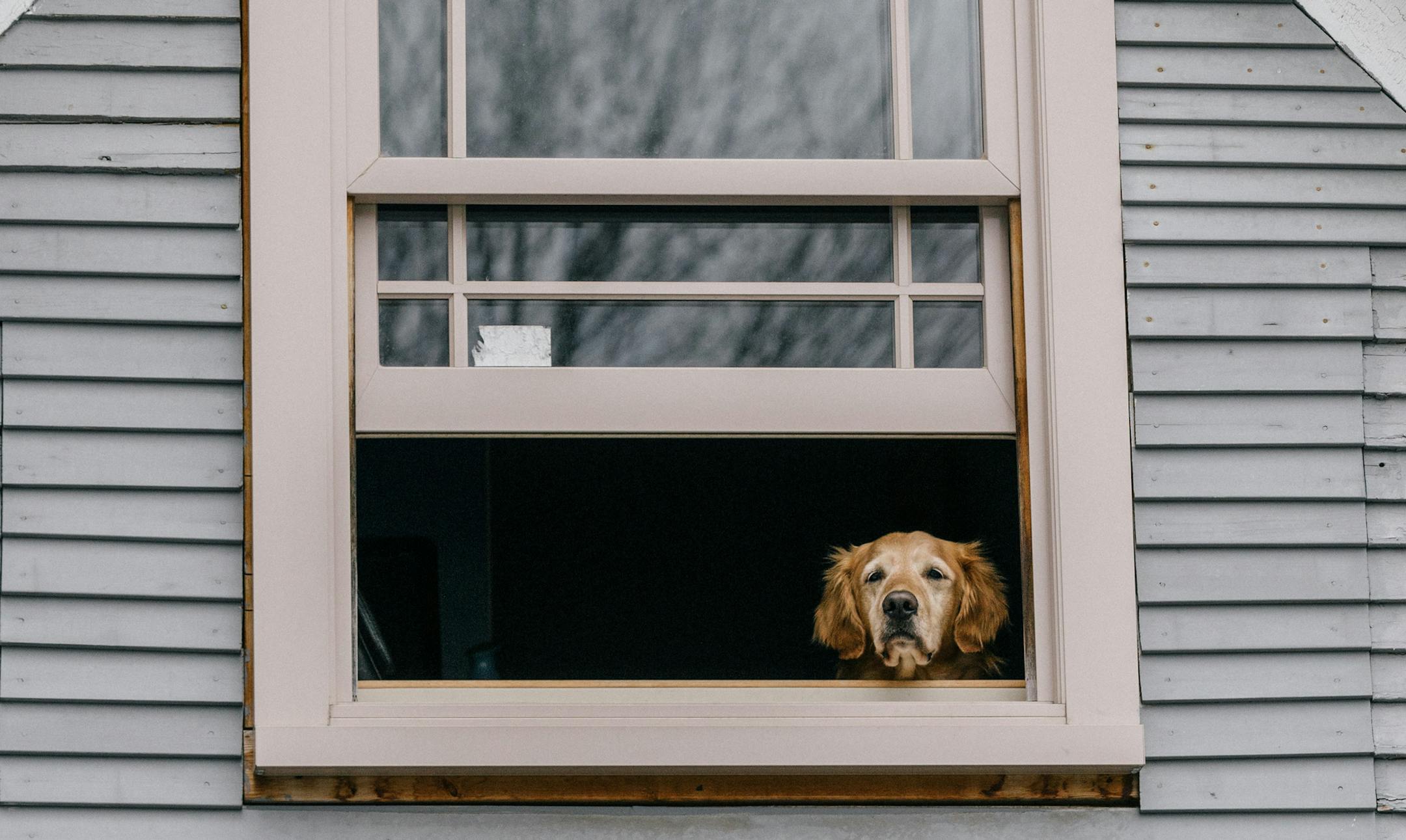
Did you get a new dog during the coronavirus lockdown? Or has your longtime four-legged companion gotten used to having you home?
"Dogs are highly social, which is why we get along with them so well," said Patricia McConnell, certified applied animal behaviorist and author of "The Other End of the Leash: Why We Do What We Do Around Dogs." "If all of a sudden, they go from 'everybody home all the time' to 'nobody home all day long,' it can lead to some serious behavioral problems."
This can mean accidents in the house, chewing on furniture when you are away, or worse.
Want to avoid that? Here's how to transition to a new normal, for both of you.
Start leaving
The members of your household probably haven't left the house for an extended period for what, weeks? Months? The 17 years this quarantine has felt like? So, start transitioning as cities and states reopen by leaving home for a little bit at a time. But not for too long.
Start "unbelievably slow," McConnell said. Leave a handful of treats on the ground and, while the dog is eating them, "everybody walks out the door," she said. Come back in five seconds. Next time, leave for 10 seconds, then walk to the mailbox and back, then take a longer walk or a long drive.
Make sure you are mimicking the routine you'll have when you go back to work: Get your wallet and keys, leave through the door you'll go through. This way, the dog gets used to the cues that mean you are leaving — and coming back in through the same spot.
Make a safe space
Make sure your dog is left in a safe space that it knows — and don't lock it in a room that's unfamiliar. That safe space might be a crate, although not all dogs like being in a crate. (My first dog, a Jack Russell terrier, loved her crate; the dog I have now, a cattle dog mix, couldn't be bothered.) Other dogs are just fine being left to lie wherever in the house they want.


