
Tips for eating more healthfully

Make those resolutions to eat well — and you'll have all year to meet them.

January 13, 2014 at 3:25PM
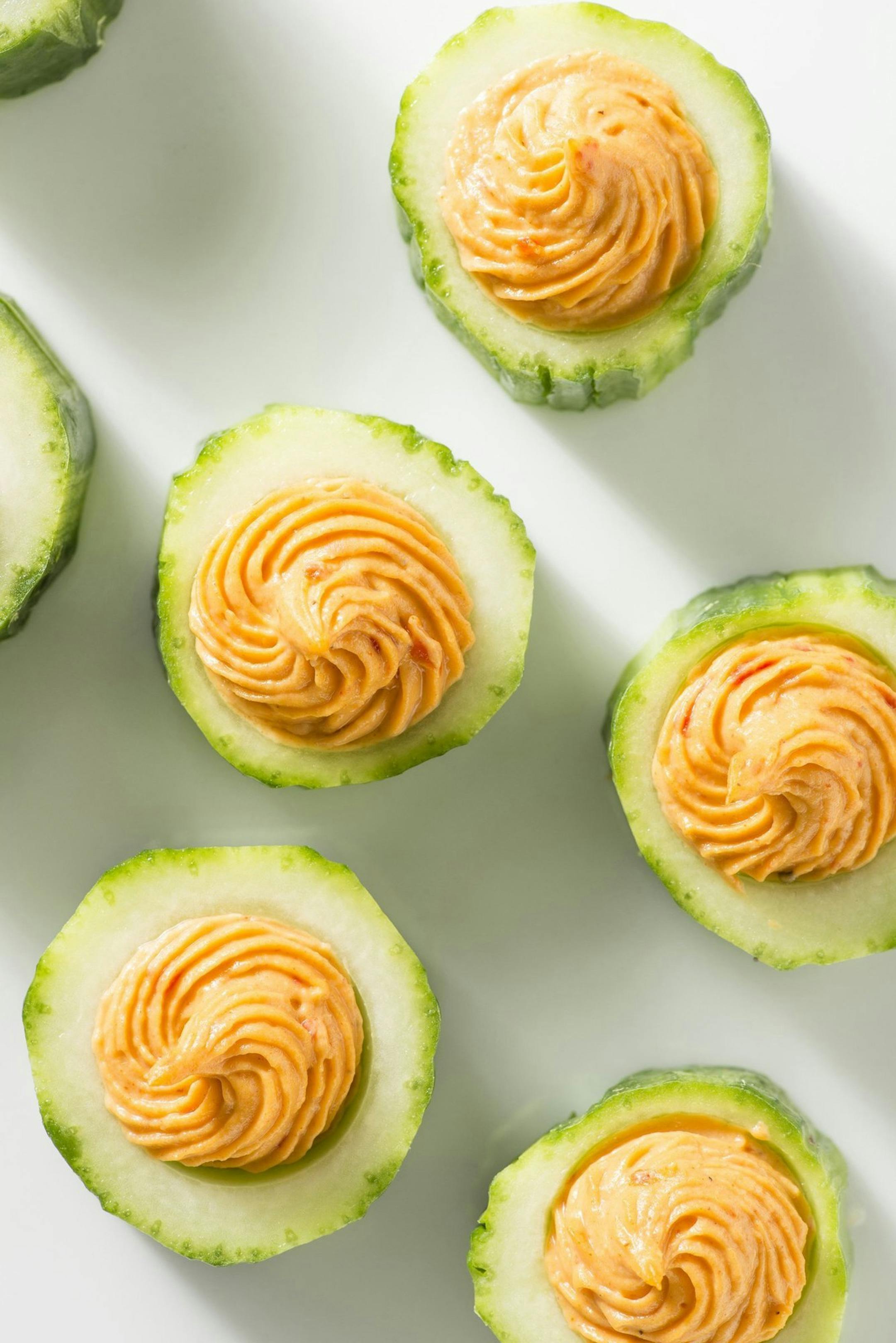
With the new year many people vow to adopt better eating habits. These roasted red pepper hummus in cucumber cups are from Giada de Laurentis' "Feel Good Food." (Amy Neunsinger/Fresno Bee/MCT) ORG XMIT: 1147408
Roasted red pepper hummus in cucumber cups. (The Minnesota Star Tribune)

It's a new year and a good time to start living a more healthful lifestyle.

With an abundance of fresh fruits, vegetables and nuts, getting on the right track should be a little easier.

Also helping people make better food choices is a new book by celebrity chef Giada De Laurentiis. "Giada's Feel Good Food: My Healthy Recipes and Secrets" is loaded with more than 100 recipes for breakfasts, juices, lunches, snacks, dinners and desserts.

Why change your eating habits? The reasons are many, including lowering your blood pressure, reducing your risk of heart disease and getting your blood sugar levels under control. Admittedly, it isn't always easy to change.

But with 10 helpful tips and some recipes, you can begin the new year in a healthful way.

1. Don't skip breakfast, said Kim Tirapelle, a registered dietitian at Kaiser Perma­nente in Clovis, Calif. Eating a breakfast with protein and fiber will help stabilize your blood sugar and curb your late-morning cravings. Foods such as Greek yogurt are a great source of protein, as are eggs or egg whites. Whole wheat toast, oatmeal and fresh fruit are also good sources of fiber.

2. Increase your intake of fruits and vegetables at every meal. The more colors of food on your plate the better. Also, if you can't get your children to eat vegetables, sneak them in food by puréeing veggies and adding them to sauces or soups. And if you can't find fresh fruits or vegetables, frozen produce is a good option.

3. Cut out the fat and salt. Try roasting or grilling your meats and vegetables instead of frying. Choose leaner meats and pull the skin off poultry. Also, don't be afraid to experiment with different herbs and seasonings, such as cinnamon, chile peppers, basil, thyme, cilantro, turmeric or whatever is in season at the farmers markets. It helps add flavor without the salt.

4. Increase your intake of fiber and whole grains. Chef Naomi Hendrix adds a tablespoon of chia seeds to her morning oatmeal or cereal. The nutrient-rich seeds are high in protein and antioxidants. She says the tiny seeds will make you feel full, reducing the tendency to overeat. Other fiber-rich grains to try include quinoa, amaranth and freekeh (which is young green wheat that is toasted and cracked).

5. Eat more foods with omega-3, a beneficial fatty acid. Foods with omega-3 help improve your heart and brain function. Foods high in omega-3 include salmon, mackerel, tuna, flaxseed, spinach and walnuts. At least three servings a week are recommended, although pregnant women should consult their doctors about eating fish because of the concern over high levels of mercury.

6. Increase your fluids. "Oftentimes when we feel tired and worn down, it is because we are dehydrated," Tirapelle said. She said we should be drinking 64 to 80 ounces of water a day. And limit sports drinks, flavored coffees and teas.

7. Plant your own garden. Growing your own food helps increase your intake of fresh fruits and vegetables and gets children more interested in what they are eating.

8. Try healthy snacks. Limit salty and fried snack foods such as potato chips. This time of year, stock up on winter fruits for snacks and at mealtime. "Put a bowl of four to five peeled mandarins and two to three sliced pears at the dinner table for one more side dish," said Dorie Lim, a registered dietitian. "Trust me, they'll disappear." Dried fruits and nuts also are a good source of healthy snacks. Raisins, figs, prunes, almonds, pistachios and walnuts all are good options.

9. Choose low-fat or nonfat milk products. Also, try using low-fat plain yogurt or avocados — which have heart-healthy fat — for dipping vegetables or other healthy snacks.

10. Use smaller plates to help with portion control. Also, tall, slender glasses help reduce the amount of soda or juice you drink. When you eat from smaller plates, you feel satisfied without overeating.

For more tips, visit the U.S. Dept. of Agriculture's website, www.choosemyplate.gov.

about the writer

about the writer

Robert Rodriguez, Fresno Bee

More from No Section

See More
FILE -- A rent deposit slot at an apartment complex in Tucker, Ga., on July 21, 2020. As an eviction crisis has seemed increasingly likely this summer, everyone in the housing market has made the same plea to Washington: Send money — lots of it — that would keep renters in their homes and landlords afloat. (Melissa Golden/The New York Times) ORG XMIT: XNYT58
Melissa Golden/The New York Times

It’s too soon to tell how much the immigration crackdown is to blame.