

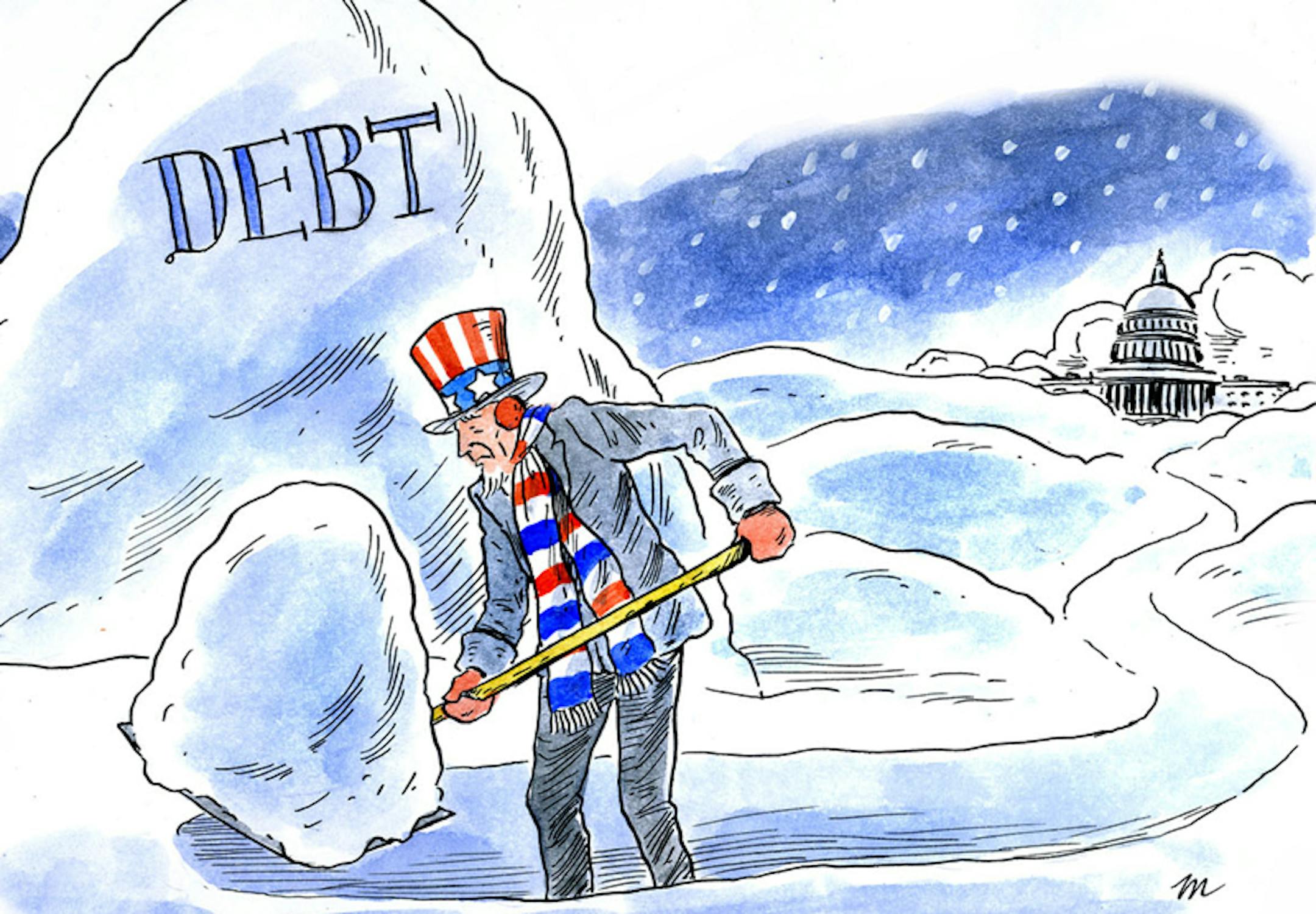
Gov. Mark Dayton and the newly elected DFL Legislature need to address Minnesota's budget deficit in the session that convenes in January. A permanent solution won't be easy, but is critical for the economic growth of the state.According to the most recent economic forecast, the next budget is $2.5 billion in deficit, including inflation ($1.1 billion without inflation -- more on that later).
Economists refer to Minnesota's budget situation as a structural deficit. This means that revenues are less than expenditures in a normal economic year. Put another way, the Great Recession is not the only cause of Minnesota's budget deficit.
One must go back to 1999 to explain the structural deficit. In that year, Gov. Jesse Ventura and the Legislature enacted permanent income-tax rate cuts, increased K-12 education funding dramatically, and gave tax rebates to Minnesotans based on their sales tax payments.
The problem was that, by 2001, the state and national economies started sinking, resulting in declining state revenues. There simply wasn't enough revenue to pay for all of the expenditure commitments. By 2003, there was a $5 billion state budget deficit. Budget deficits continued periodically through 2011 and are forecast for the 2013-14 budget.
In January 2009, the Minnesota Budget Trends Study Commission released its recommendations for solving the ongoing budget crises. The commission had been created by the governor and Legislature to review the state budget situation, determine the causes of the shortfalls and make recommendations for resolving them. The 15-member commission included Democrats, Republicans and an independent.
The commission found that, in addition to the legislative changes of 1999, Minnesota was experiencing major demographic aging, that funding of public health care support was growing far faster than state revenues, and that the number of school-age children would continue to increase. In a budget projection over 25 years, expenditures were expected to grow 5.5 percent per year, with revenues expected to grow only 4 percent per year.
What can be done to fix Minnesota's structural budget deficit?
The Minnesota Budget Trends Study Commission recommended the following:


