

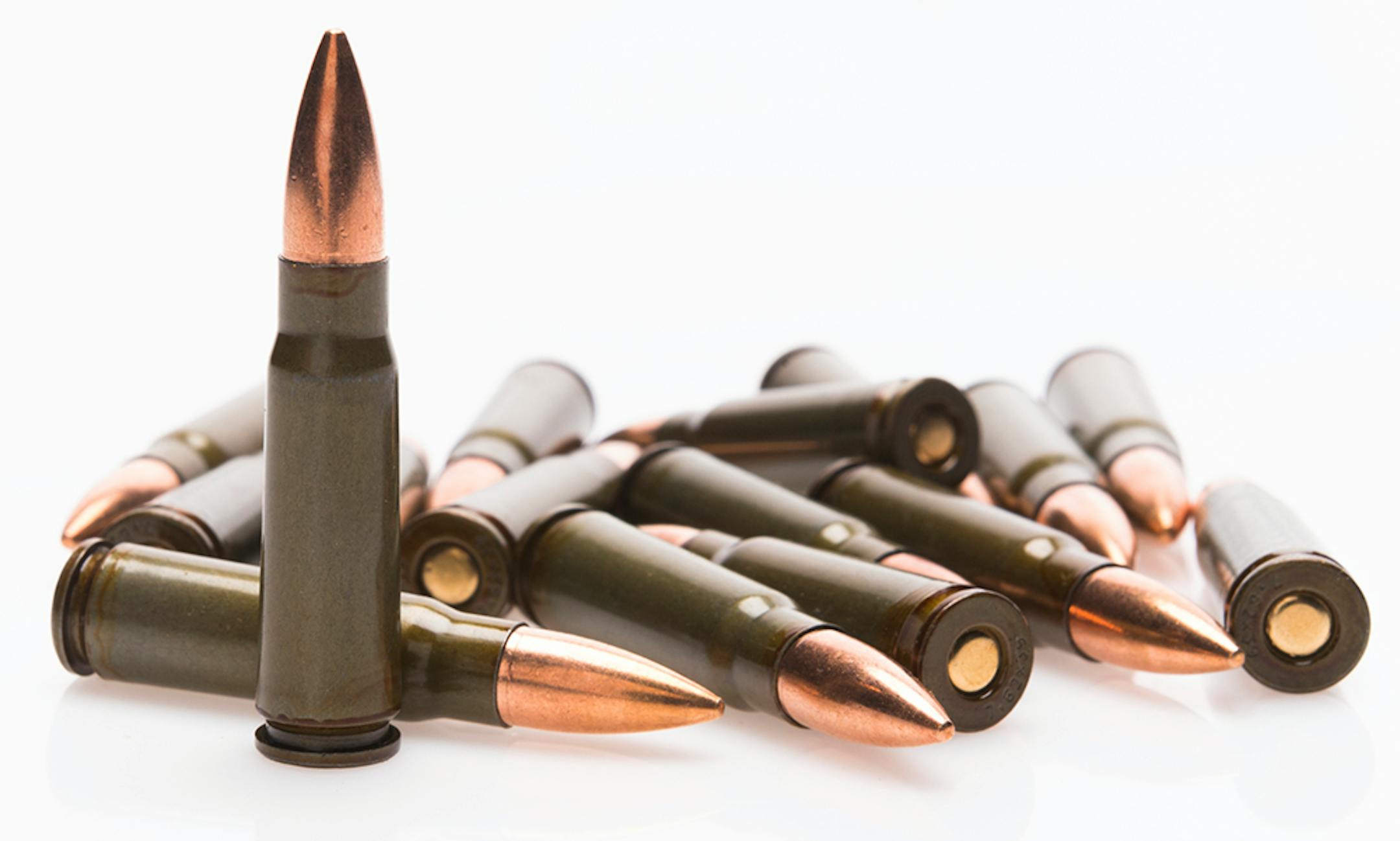
Waterfowl hunters have been required for decades to forswear lead cartridges in favor of nontoxic shot while pursuing ducks and geese. But rifle hunters still have the option of using traditional lead bullets or switching to less toxic bullets, such as those made of copper.
However, arguments in favor of lead bullets are becoming harder to make, considering their possible adverse effects on eagles and some other wildlife.
In Minnesota, beginning in mid-November, after the firearms deer opener, eagles suffering from lead poisoning are brought into the Raptor Rehabilitation Center at the University of Minnesota. Other eagles similarly afflicted, and an untold number of other critters, don't get a chance to be rehabilitated. Instead they die unfound when they eat the internal organs of deer after the animals were field-dressed by hunters.
Because lead bullets fragment when striking deer, they often spray throughout a felled whitetail's body cavity. For carrion eaters such as eagles, and for people who eat venison, this can be a toxic cocktail.
Historically, cartridges with copper bullets have been relatively expensive and limited to a handful of calibers. Now prices have come down and copper is available for a wider range of loads.
Time to hop on the copper-bullet bandwagon?
Dennis Anderson


