

Opinion editor's note: Editorials represent the opinions of the Star Tribune Editorial Board, which operates independently from the newsroom.
•••
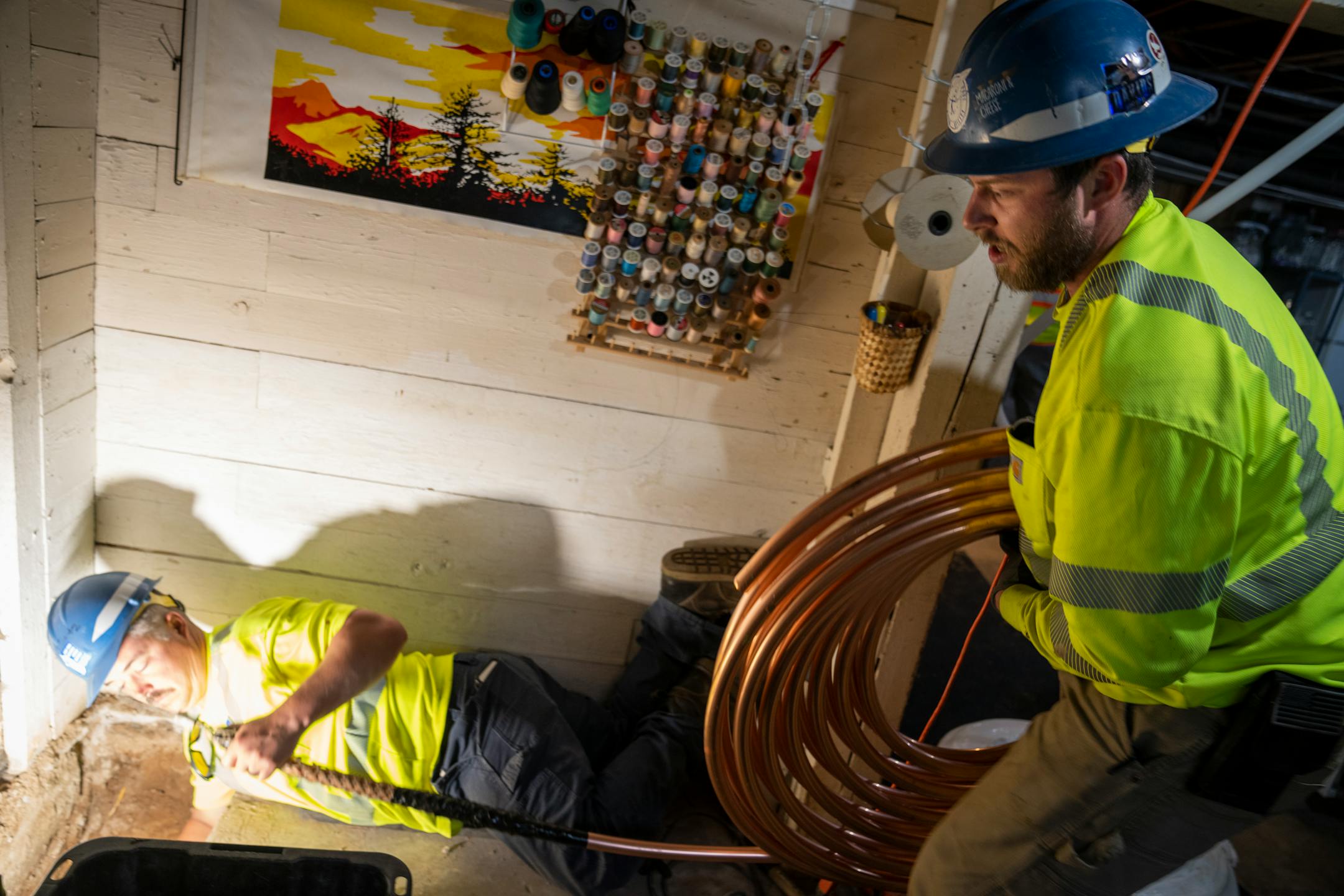
Minnesota has a lead problem — a network of some 100,000 lead service pipes that carry drinking water to residents, along with other lead pipes and fixtures found in older homes.
The problem is not a new one, but now, thankfully, the state is moving to take action in a big way, with an assist from the federal government.
A $240 million grant program to find, remove and replace lead service lines has been authorized by the 2023 Legislature, and those funds will unlock additional funds from the federal Infrastructure Investment Act, which will provide an ongoing $43 million per year for five years to get the lead out of Minnesota's drinking water.
"No amount of exposure to lead is safe," Rep. Sydney Jordan, DFL-Minneapolis, who carried the bill, said at the time of a vote that saw DFLers and Republicans join in a rare unanimous passage. "This is an issue impacting every corner of our state," she said, "and it's an issue where the solution is far less expensive than the cost of doing nothing."
This unified effort will serve Minnesota well for decades to come, assuring a healthier state. The biggest benefit? A literal brain boost. According to a 2019 Minnesota Department of Health (MDH) report, eliminating lead is projected to result in increases in residents' mental acuity and IQs. Lead, as we now know, is a neurotoxin for which there is no safe level of exposure, and young children are the most vulnerable.
Exposure at young ages can cause significant and lasting damage to children's brains, nervous systems, red blood cells and kidneys. According to the Centers for Disease Control and Prevention, even "low levels of lead in blood have been shown to negatively affect a child's intelligence, ability to pay attention, and academic achievement."


