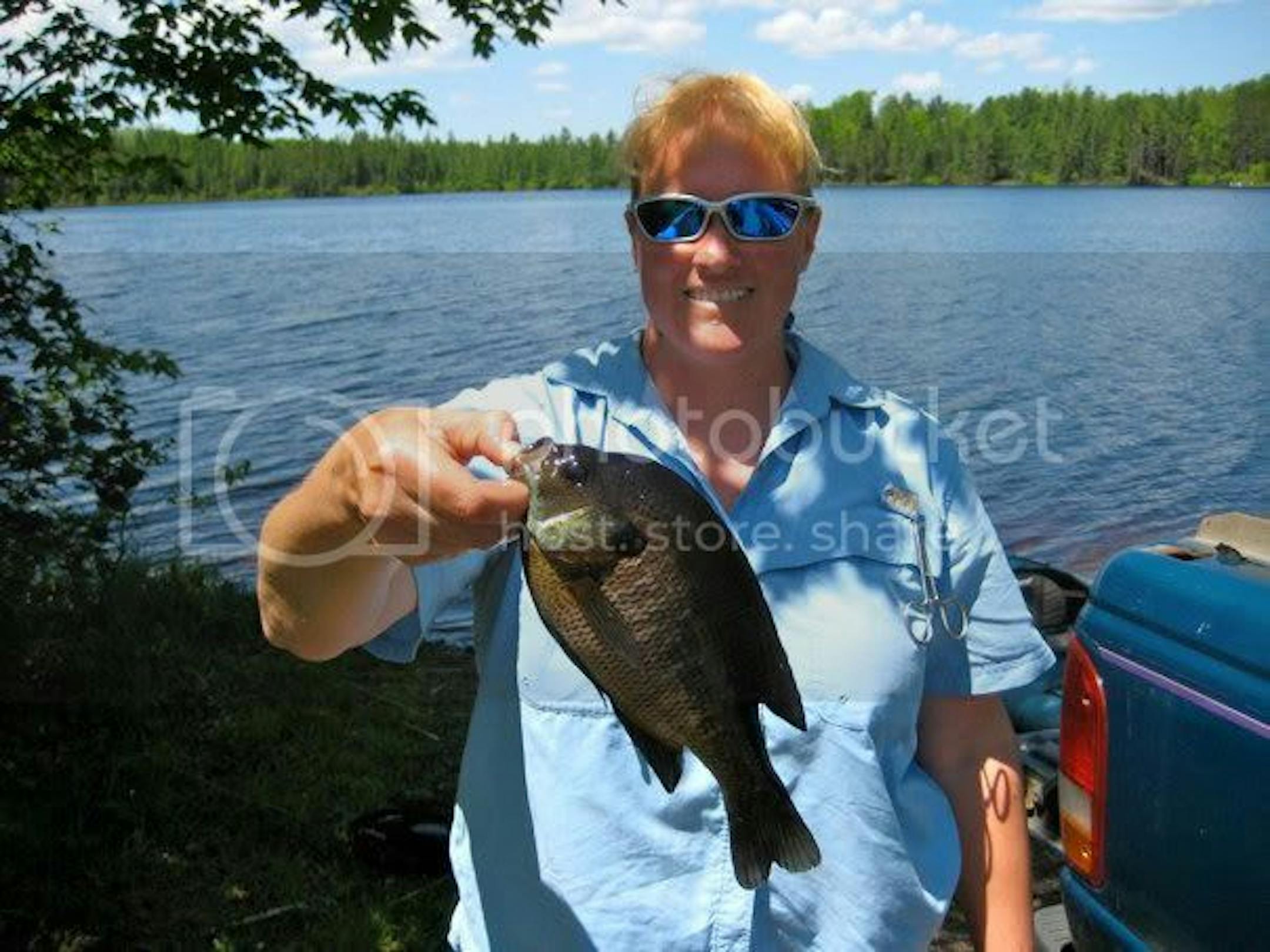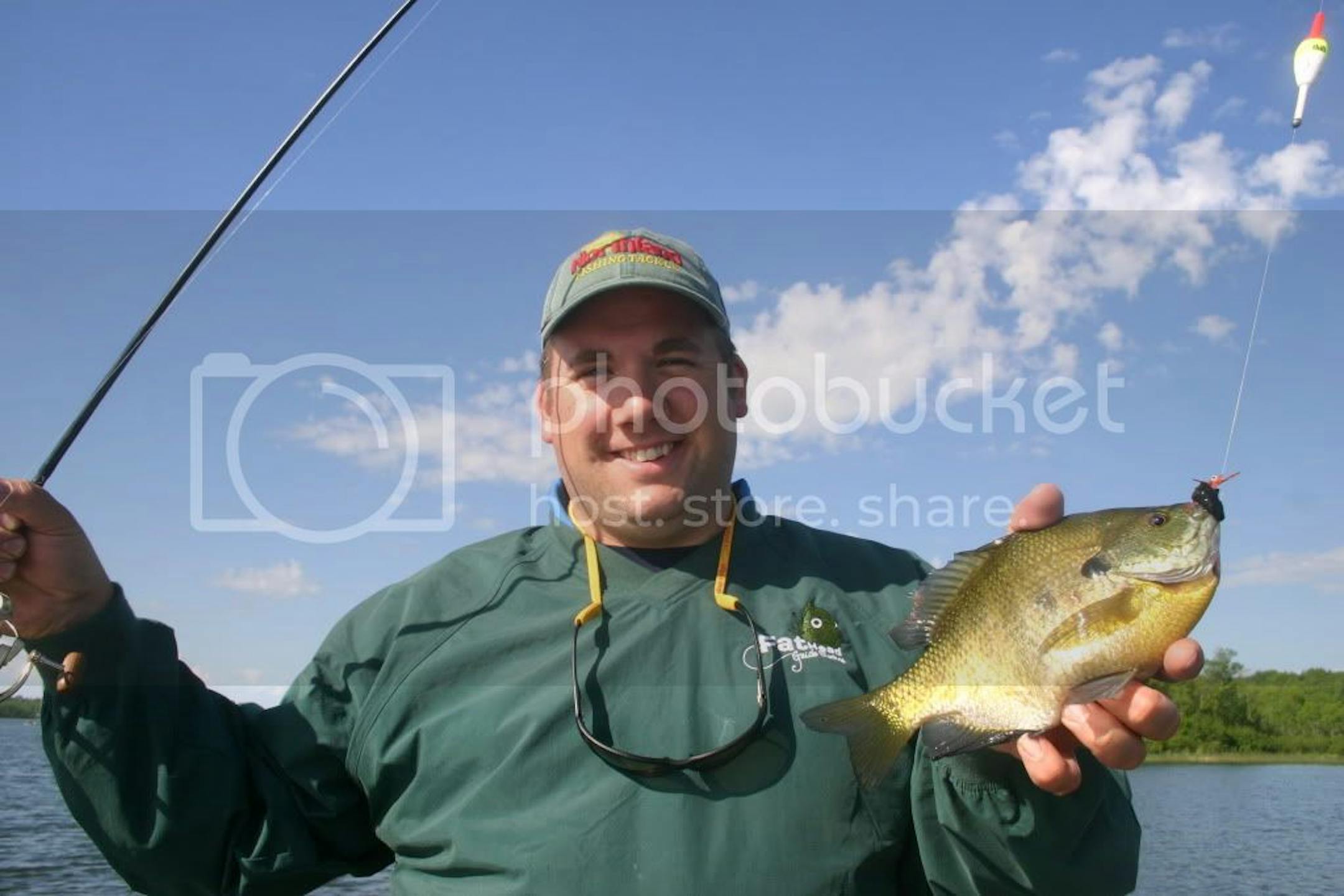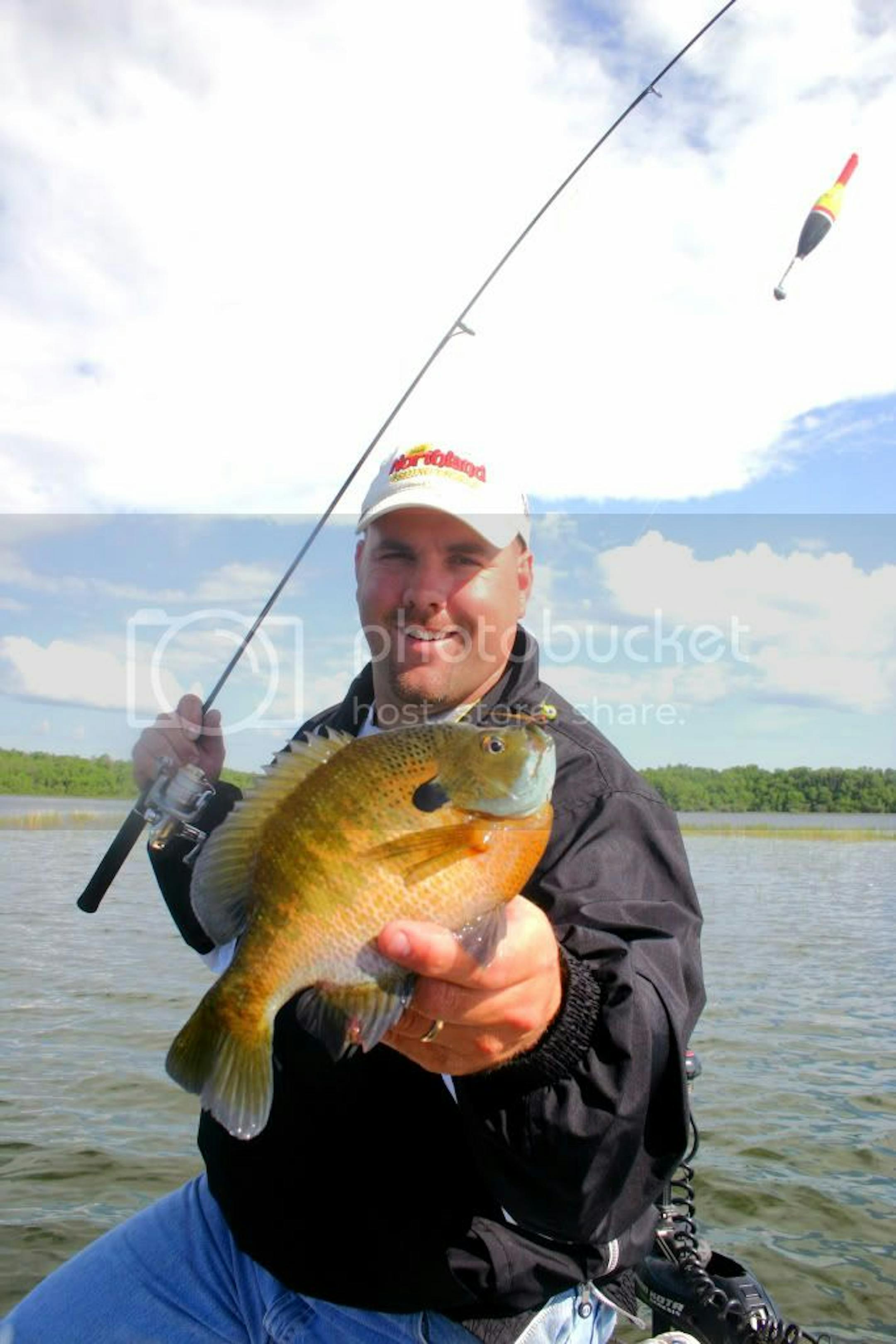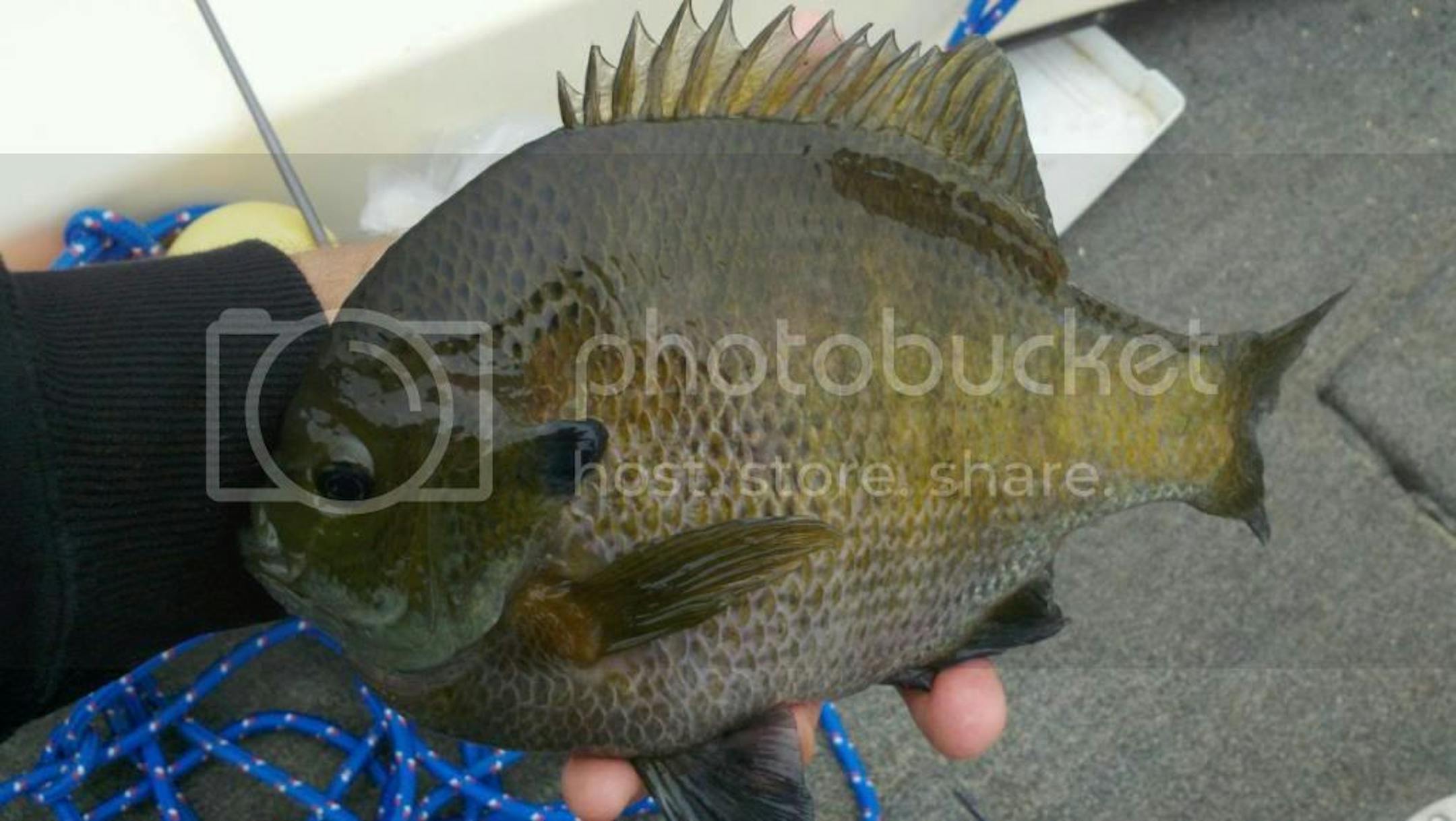
Some people don't like it when bass are called "bucketmouths" or muskies are called "water tigers" but that's a different argument for a different day. Those same folks might not like it that big bluegills are called "bulls" but I know how to change their mind.
Let them hook into one and try to battle it.
Big bluegills defy the term "panfish" because they exceed the size of your average pan. I'm talking trophy fish in the 10-inch and above range. The kind of bluegill that has a big bump on its head and looks almost freakish compared to the small ones that tend to hang out at every dock in the summertime.
"When these massive creatures turn sideways after a solid hook set, the term "bull" makes complete sense," said Bryan "Beef" Sathre of Fathead Guide Service in the Bemidji and Cass Lake area. Sathre is a bluegill trophy hunter who loves to tie into big bluegill, wrestle with them for awhile, snap a quick photo, then watch it swim away to fight another day.
"Pound for pound, bluegills are the toughest fish in the freshwater world. I tied into one the other day and swore I'd hooked into a pike until I got it closer to the boat," he said.
Right now is one of the best times around for catching big bluegill, Sathre said. That's because this is the time of the year when they are sitting on their beds and are extremely aggressive. It's also the time of the year when they are at their most vulnerable state.
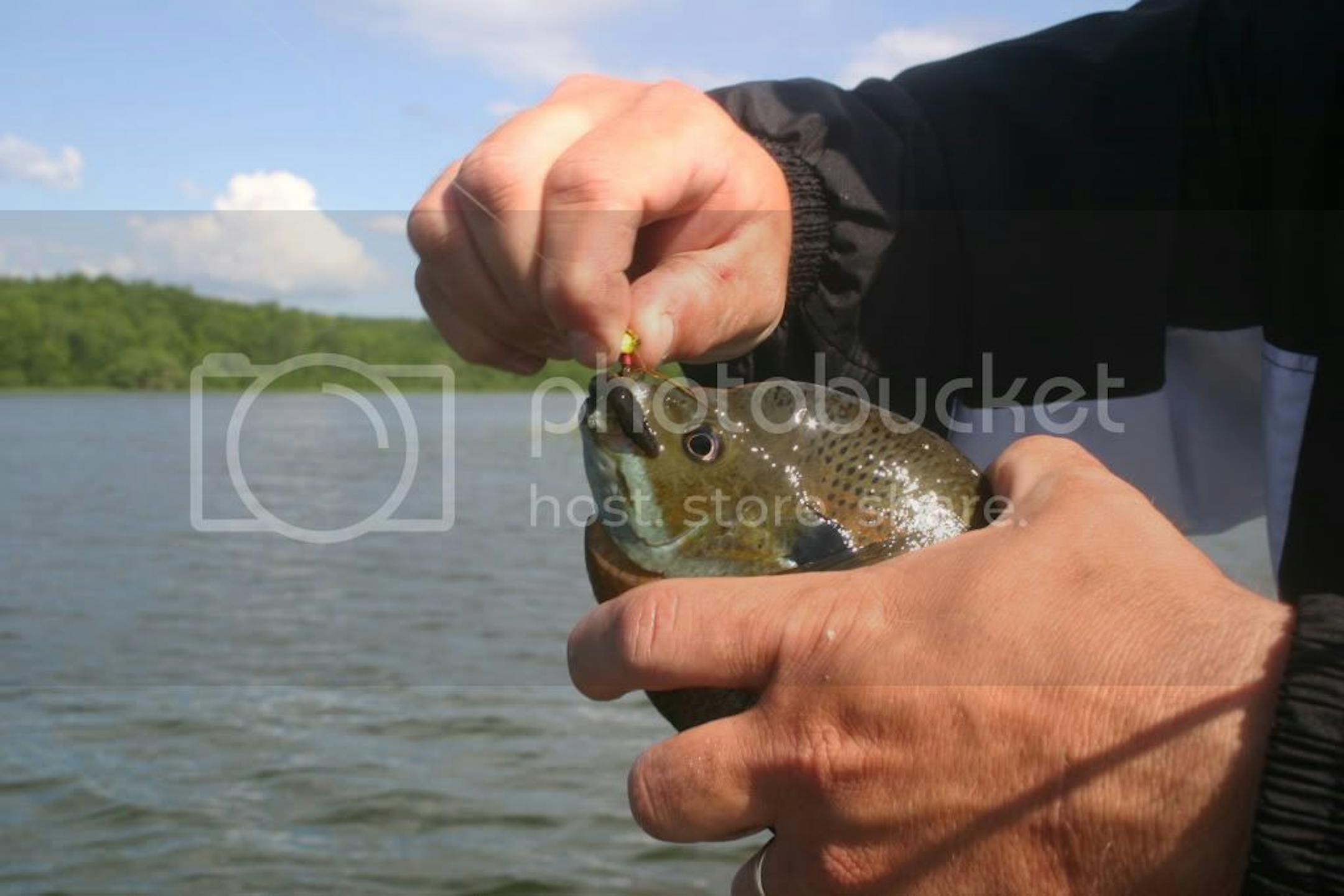
For that reason, if you go after these bull bluegills, please be sure to practice catch-photo-release. "If you want a meal of sweet-tasting bluegill fillets then keep a few smaller ones for the frying pan. Anything 10-inches or larger should quickly be released in my boat. It's a good rule to consider in yours too," Sathre urged.
He fishes for them like they do for tarpon in coastal areas, "We're sight fishing a lot of these bluegill locations. What I look for are transition points in the bottom in shallow bays and flats. My Costa del Mar polarized sunglasses help me find their nests that stand out as sandy holes." This is the result of the bluegill fanning out a nest that they guard very vigorously.