

 4:33
4:33To confront the scourge of Alzheimer's disease and the cascading medical challenges of an aging population, America will need scientists like Tonya Taylor. At 29, she holds a chemistry degree from Duke, a doctorate from Emory, did postdoctorate work at Oxford University and is now working at the University of Minnesota with one of the nation's leading researchers in degenerative nerve diseases.
But she's thinking about abandoning her plans for a career in medical research.
"I've applied for at least four [research] grants in the past year and haven't gotten any," Taylor said last week. "It's definitely made me consider leaving academia."
A decade of flat federal funding for biomedical research, together with pending cuts from the federal budget sequester, are eviscerating research labs, killing promising investigations and pushing bright young minds to consider new lines of work, some of Minnesota's top scientists say.
The U, for example, could lose $50 million of its $750 million federal research budget in the next couple of years.
"This is a perilous moment for the NIH and indeed for the future of biomedical research in this country," Sen. Tom Harkin, D-Iowa, said at a May hearing on the National Institutes of Health, the largest single source of federal biomedical research funding.
The federal sequester, Harkin said, resulted in 700 fewer new research grants this year than in 2012. "That means 700 fewer opportunities to investigate and possibly find the cures for cancer and Alzheimer's and diabetes and any number of diseases."
Grant approvals, he added, are now at the "lowest level in the history of NIH."
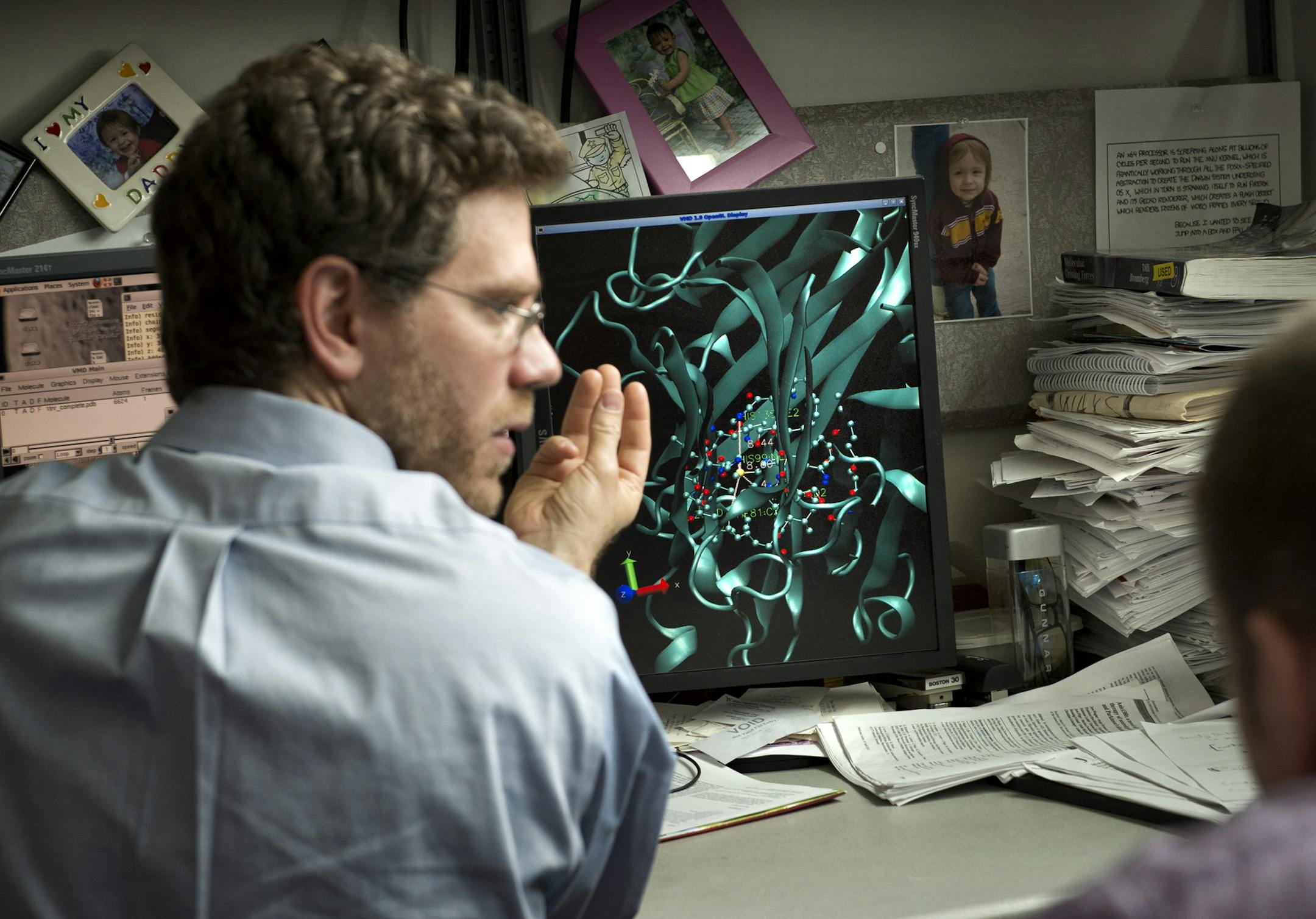
![Jonathan Sachs, associate professor of biomedical engineering at the University of Minnesota worked with PhD candidate Andrew Lewis. Sachs oversees two PhD candidates in his biomedical engineering lab at the U. With normal funding his lab would be staffed with 8 researchers but funding has been down dramatically. He works with PhD candidates Anthony Braun and Andrew Lewis. ] GLEN STUBBE * gstubbe@startribune.com EDS, Sachs has wavy hair, glasses, blue shirt. Braun has purple shirt and Lewis wear](https://arc.stimg.co/startribunemedia/PHQOUZ7IPBMY423JGYSECDT2OM.jpg?&w=1080)


