
Tide has shifted on marijuana legalization, supporters say

Supporters of legalization measures say a national tipping point has been reached, but federal officials' messages are still mixed.

Los Angeles Times
January 21, 2014 at 5:02AM
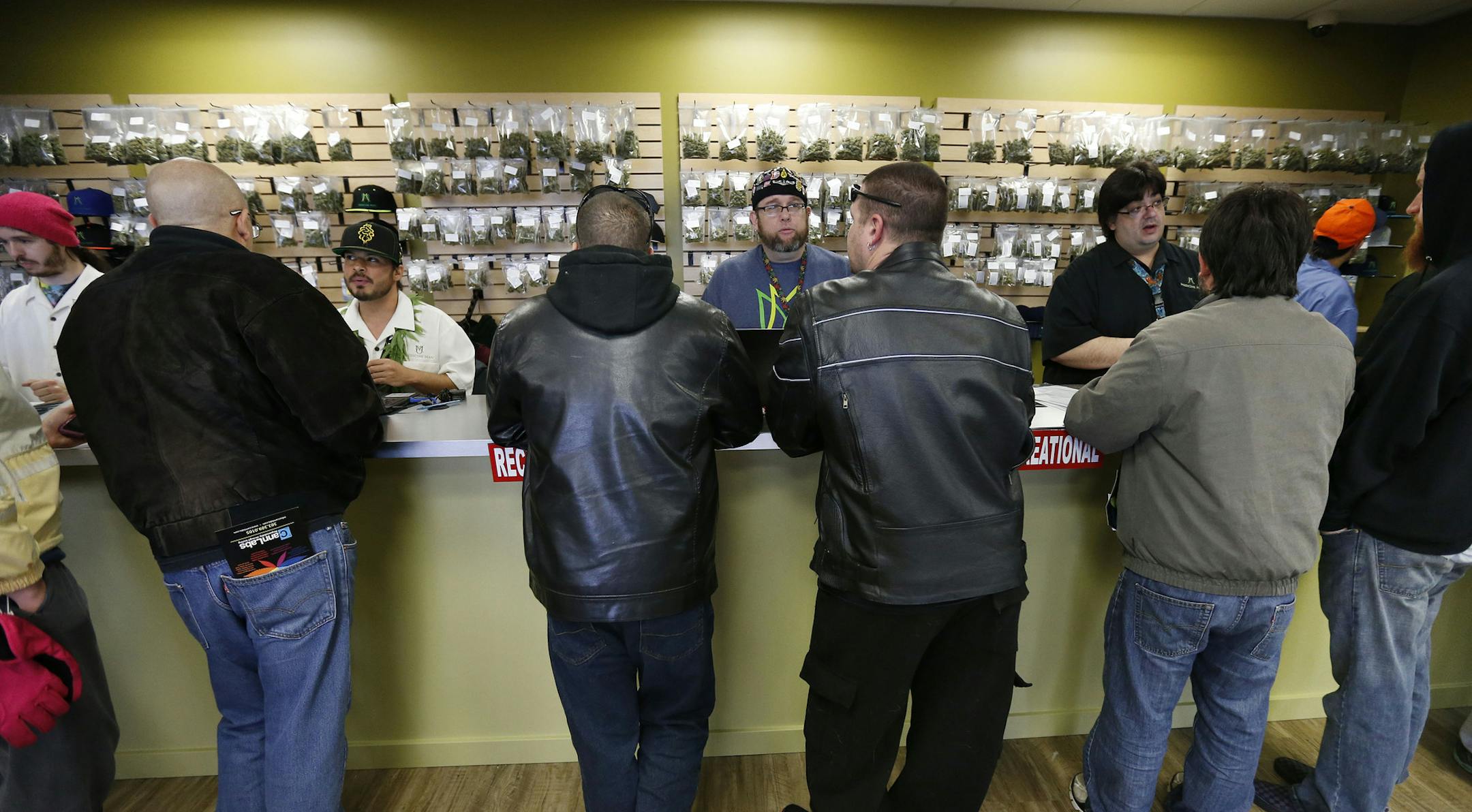
FILE - In this Jan. 1, 2014 file photo, employees help customers at the crowded sales counter inside the Medicine Man marijuana retail store, in Denver. A group of marijuana activists want another pot vote in Colorado, to loosen restrictions on who can have it. A proposed ballot measure up for state review Wednesday Jan. 14, 2014 would end criminal penalties for cannabis possession. If approved, the measure would effectively discard Coloradoís 1-ounce possession limit and 21-and-over restri
Employees helped customers at the Medicine Man marijuana store in Denver. Sales of pot for recreational use became legal this month in Colorado. (The Minnesota Star Tribune)

SEATTLE – The new year is shaping up to be one of the marijuana movement's strongest ever.

The first legal pot storefronts in the United States opened to long lines in Colorado this month. Washington state is poised to issue licenses for producing, processing and selling the Schedule I drug — once officials sift through about 7,000 applications.

Signature gatherers have worked in at least five states to put marijuana measures on the ballot in 2014.

Organizers announced last week that they had gathered more than 1 million signatures in favor of putting a medical marijuana measure before voters in Florida.

"Florida looks like the country as a whole," said Ben Pollara, manager of the state's campaign. "If Florida does this, it is a big deal for medical marijuana across the country."

Just three months ago, a clear majority of Americans for the first time said the drug should be legalized — 58 percent of those surveyed, which represents a 10-percentage-point jump in just one year, according to the Gallup Poll. Such acceptance is almost five times what Gallup found when public opinion polling on marijuana began in 1969.

And last month in California, where a legalization measure was defeated in 2010, the Field Poll reported what it called its first clear majority in favor of legalizing pot — 55 percent of those polled, compared with just 13 percent in 1969.

"What has happened now is we have reached the national tipping point on marijuana reform," said Stephen Gutwillig, deputy executive director of the Drug Policy Alliance, an advocacy group. "Marijuana legalization has gone from an abstract concept to a mainstream issue to a political reality."
The Obama administration said last year it would not interfere in states that allow commercial marijuana sales — as long as they are strictly regulated. But pot remains illegal under federal law, and messages from on high are mixed.

The chief of operations for the Drug Enforcement Administration, James L. Capra, told a Senate panel last week, "Going down the path to legalization in this country is reckless and irresponsible."

But in a New Yorker interview published Sunday, President Obama said of legalization in Washington and Colorado, "It's important for it to go forward because it's important for society not to have a situation in which a large portion of people have at one time or another broken the law and only a select few get punished." He said of pot, "I don't think it is more dangerous than alcohol."

The big question, of course, is why attitudes toward marijuana are shifting now. The answer, said pollsters and drug-policy experts, is a stew of demographics, personal experience and the failure of existing policies.

To Alison Holcomb, the American Civil Liberties Union attorney who wrote the ballot measure that legalized recreational marijuana in Washington state, the "enormous jump" in approval of legalization in just a year does not reflect "changes in attitudes about marijuana specifically. Rather, it's a change in attitudes about whether it's OK to support marijuana law reform."

In other words, Americans don't like pot more than they used to. The percentage of those who have actually tried it has stayed in the 30 percent range for 30 years. Rather, Americans are simply fed up with criminal penalties they say are neither cost-effective nor just.

Those looking for evidence of marijuana's new momentum need only look to Jan. 8.

That's the day recreational pot supporters delivered around 46,000 signatures to election officials in Alaska — 50 percent more than required — putting a measure on legalization one step closer to a vote.

That same afternoon, Democratic New York Gov. Andrew Cuomo, a former prosecutor with a history of opposing the drug, announced a medical marijuana pilot project.

More states have enacted medical marijuana laws. California was first, in 1996, followed by 20 others and the District of Columbia.

The embrace of medical marijuana to ease ills, including Alzheimer's disease, is one reason support for marijuana is growing.

Although people 65 and older are the only age group that still opposes legalization, their support has also jumped more in recent years than that of any other demographic.

Between 2011 and 2013, Gallup found that the percentage of older Americans in favor of legalization rose 14 percentage points.


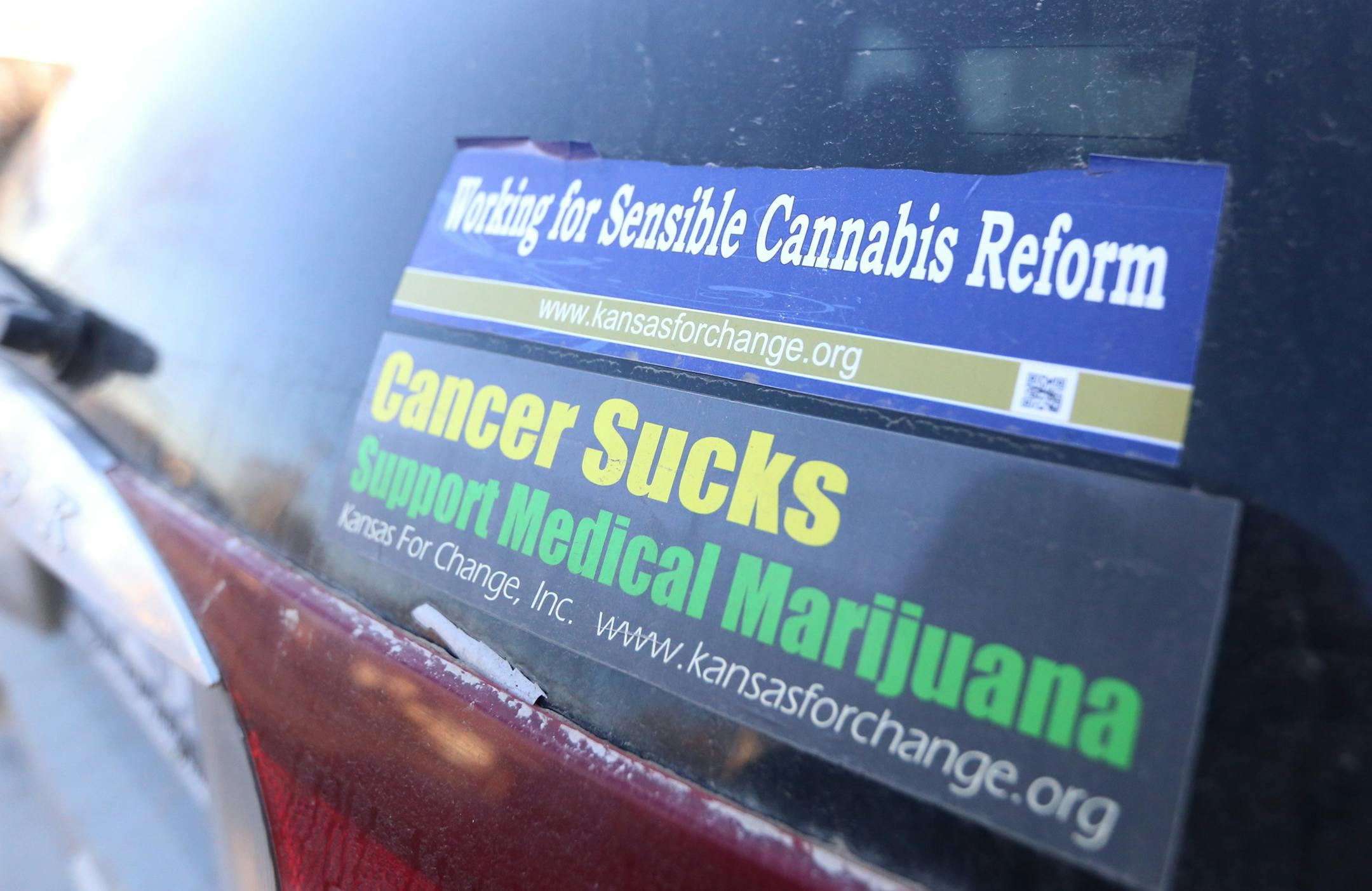
ADVANCE FOR THE WEEKEND OF JAN 18-19 AND THEREAFTER - In a Jan. 10, 2014 photo, stickers on David Mulfor's car support the use of medical marijuana. Mulford, has usesd marijuana oils to relieve a long list of physical ailments. He is a supporter of legalizing marijuana in Kansas.(AP Photo/The Wichita Eagle, Bo Rader)
Stickers on David Mulfor’s car support the legalization of medical marijuana use in Kansas. He has used marijuana to relieve a long list of ailments. (The Minnesota Star Tribune)
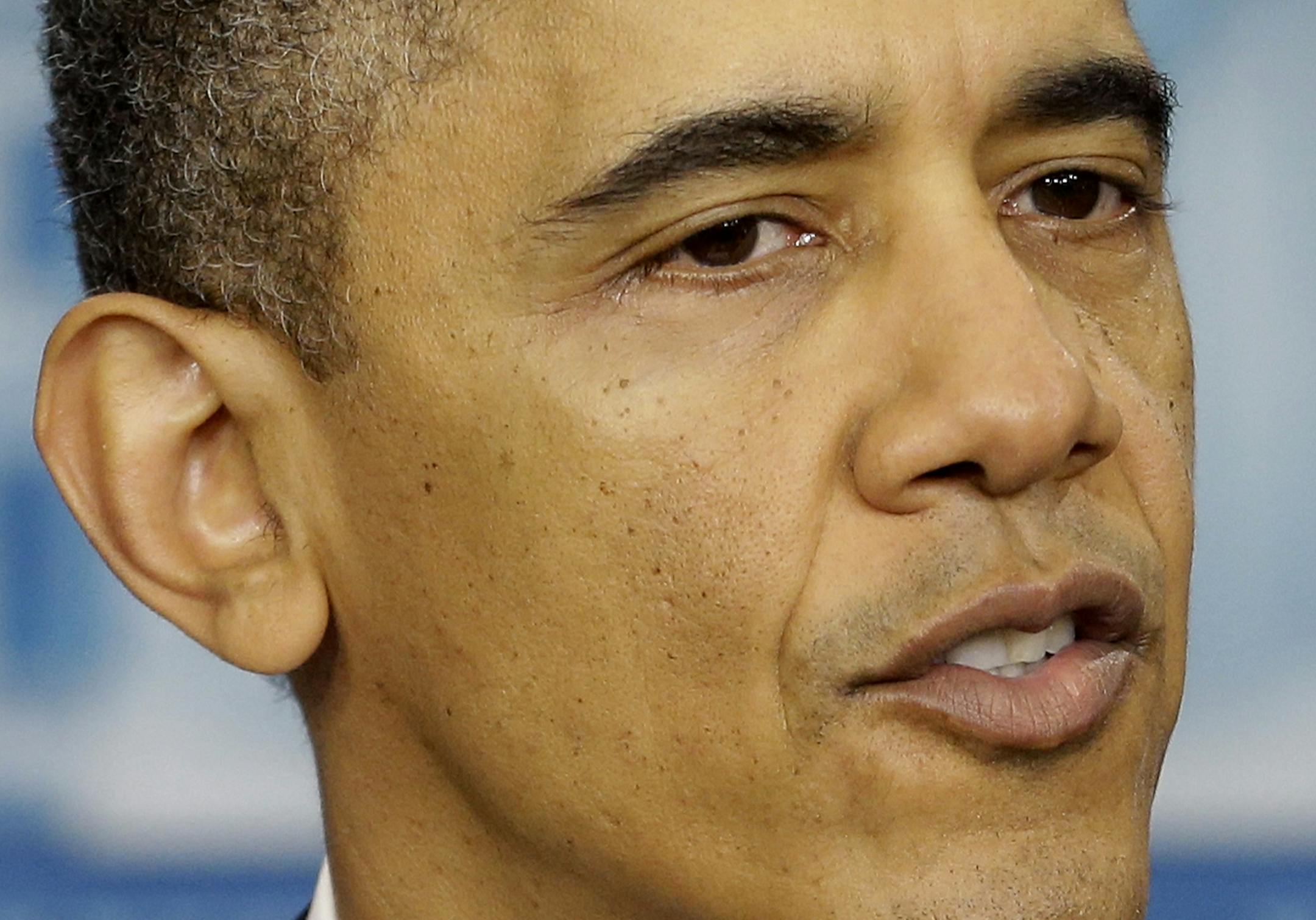
FILE - In this Dec. 20, 2013 file photo, President Barack Obama speaks during an end-of-the year news conference in the Brady Press Briefing Room at the White House in Washington. The president is hosting a series of meetings this week with lawmakers, privacy advocates and intelligence officials as he nears a final decision on changes to the government's controversial surveillance programs. (AP Photo/Pablo Martinez Monsivais, File)
FILE (The Minnesota Star Tribune)
about the writer

about the writer

Maria L. La Ganga