

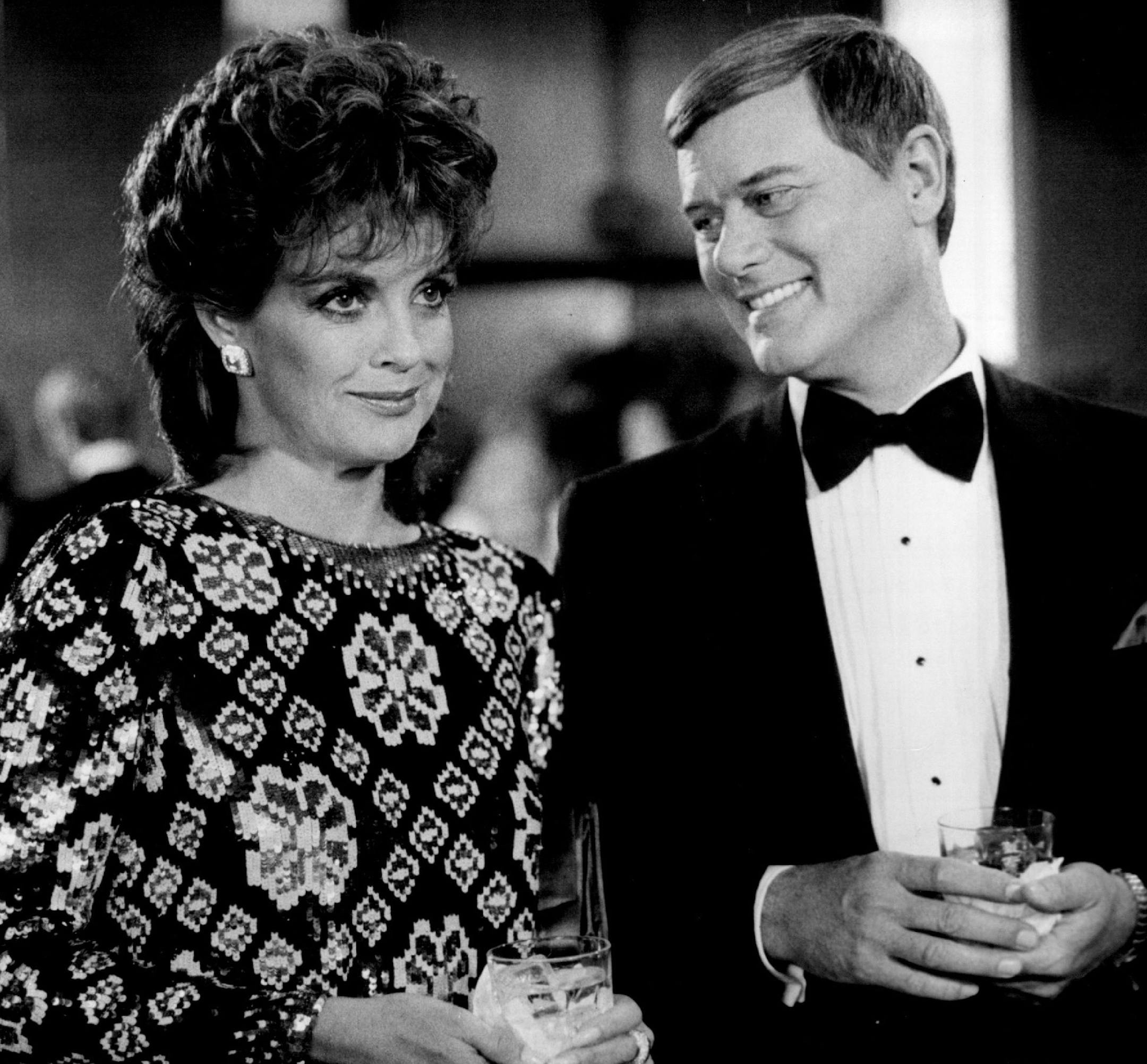
When April rolled around and the reality of many, many more weeks of quarantine set in, I started looking for anything other than reality on television.
The search was on for something I could lose myself in, and I found the answer on the free streaming service IMDb TV: "Dallas," the seminal prime-time soap that aired on CBS from 1978 to 1991.
Here are reasons this throwback held my attention throughout a 357-episode re-watch.
J.R. Ewing
Larry Hagman became the defining "Dallas" star as the power-grabbing, blackmailing, philandering J.R., eldest son of Jock and Ellie.
It isn't just that J.R. engages in those activities so relentlessly, but that he does so with unabashed glee that makes him so fun to watch. Every episode of "Dallas" ends with a trademark freeze frame, and many of those are close-ups of a grinning J.R., just after he has double-crossed a business associate or driven his long-suffering alcoholic wife Sue Ellen (Linda Gray) to another sanitarium stay.
J.R. does have some redeeming qualities. The charm Hagman wrings out of uttering one "Darlin' " is worth both of those Emmys he was nominated for. And he genuinely loves his daddy, his mama, his brother Bobby (Patrick Duffy) and his son John Ross (Omri Katz), even though they often take a back seat to his obsession with Ewing Oil.
During the Bobby funeral episode, which ends with a freeze frame of a heartbroken J.R. looking up at the sky, I realized that the slick but soulful oilman was my gateway antihero. A New Jersey mobster, an Albuquerque meth kingpin and a couple of suburban Russian spies later won my heart on cable, but it all started with a Stetson-wearing conniver on CBS.
The cliffhangers
"Who shot J.R.?" is TV's most Earth-shattering cliffhanger, one that had fans all around the world donning "Who shot J.R.?" T-shirts and buttons and drinking J.R. beer to commemorate the whodunit.

