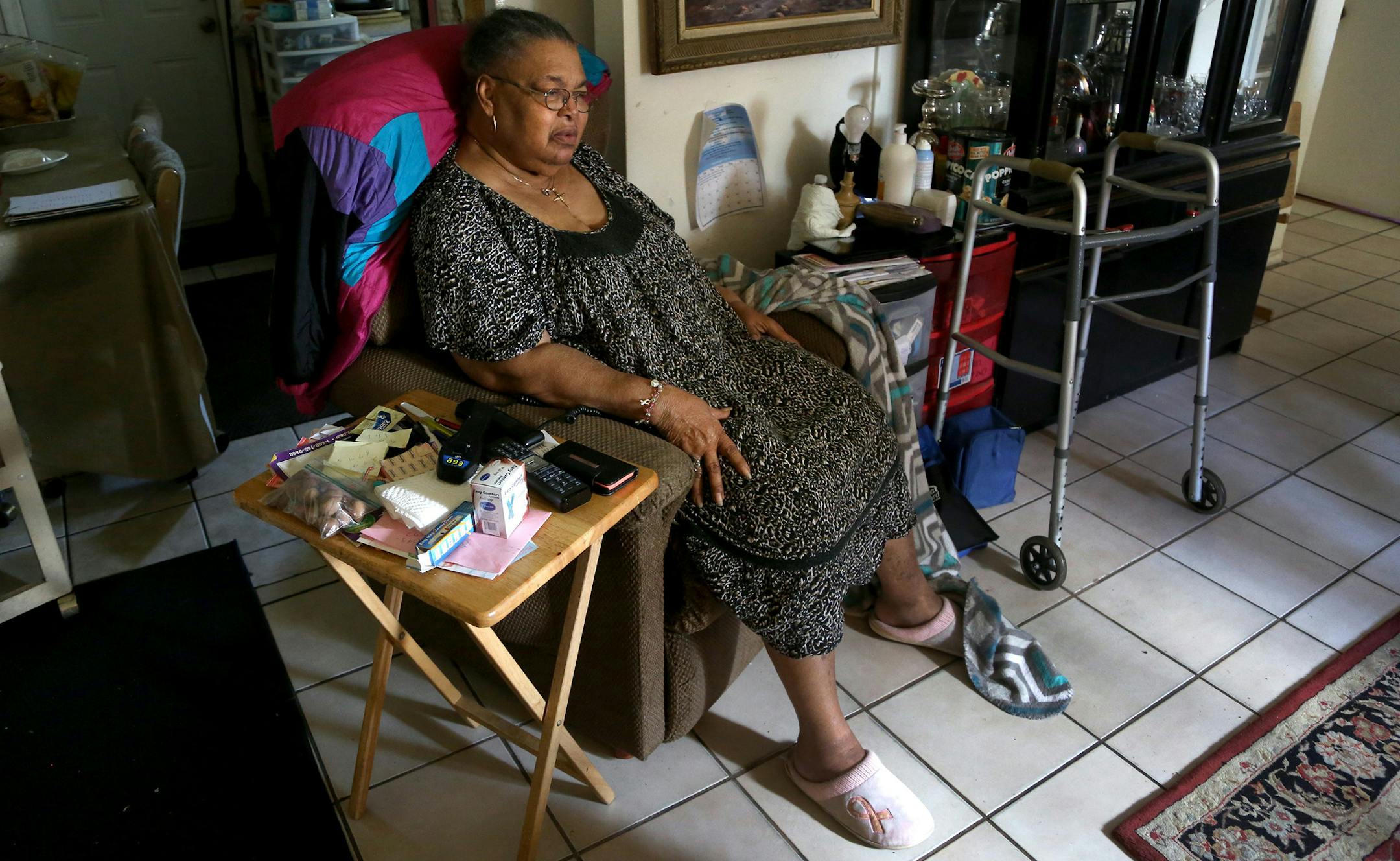
SAN DIEGO – The pang of loneliness is far higher than even the gloomiest of previous estimates, according to a new study from researchers at the University of California, San Diego.
Three-fourths of Americans experience moderate to high levels of loneliness, according to a study published this month in International Psychogeriatrics. Previous studies found loneliness rates of 17 to 57 percent. Men and women were equally affected.
While the numbers show a larger percentage of the population experiences loneliness, the study is also the first to provide clues as to how people might be able to master loneliness by developing a better understanding of others and of themselves.
Loneliness is distress caused by a lack of satisfactory relationships, not being alone, said study leader Dilip Jeste. A hermit may not feel lonely. Conversely, a person can be lonely even when surrounded by people.
Nothing beats the holidays for evoking that alone-in-a-crowd feeling, Jeste said. The happy-looking faces, music, colors, parties and celebrations deepen the glass-bubble isolation from the joy others are having.
"You may be going through the motions, but you really don't feel connected to any of them," Jeste said.
Loneliness also follows people throughout their lives, the study found. Rates are especially high for people in their late 20s, mid-50s and late 80s.
The pain is more than psychological. Loneliness is associated with physical illness. A study released in 2017 by insurance giant Cigna found that loneliness is as harmful to one's health as smoking 15 cigarettes a day.