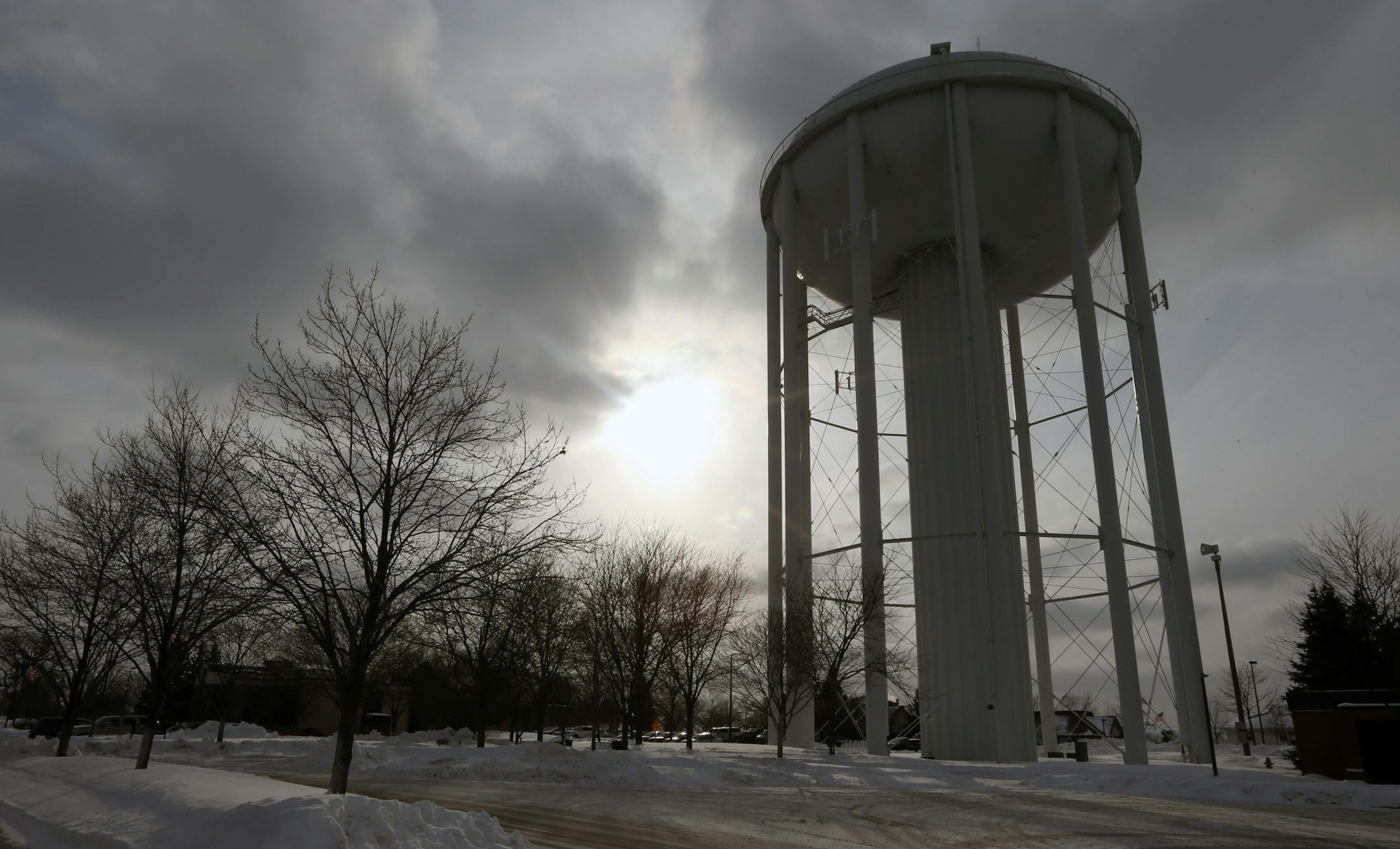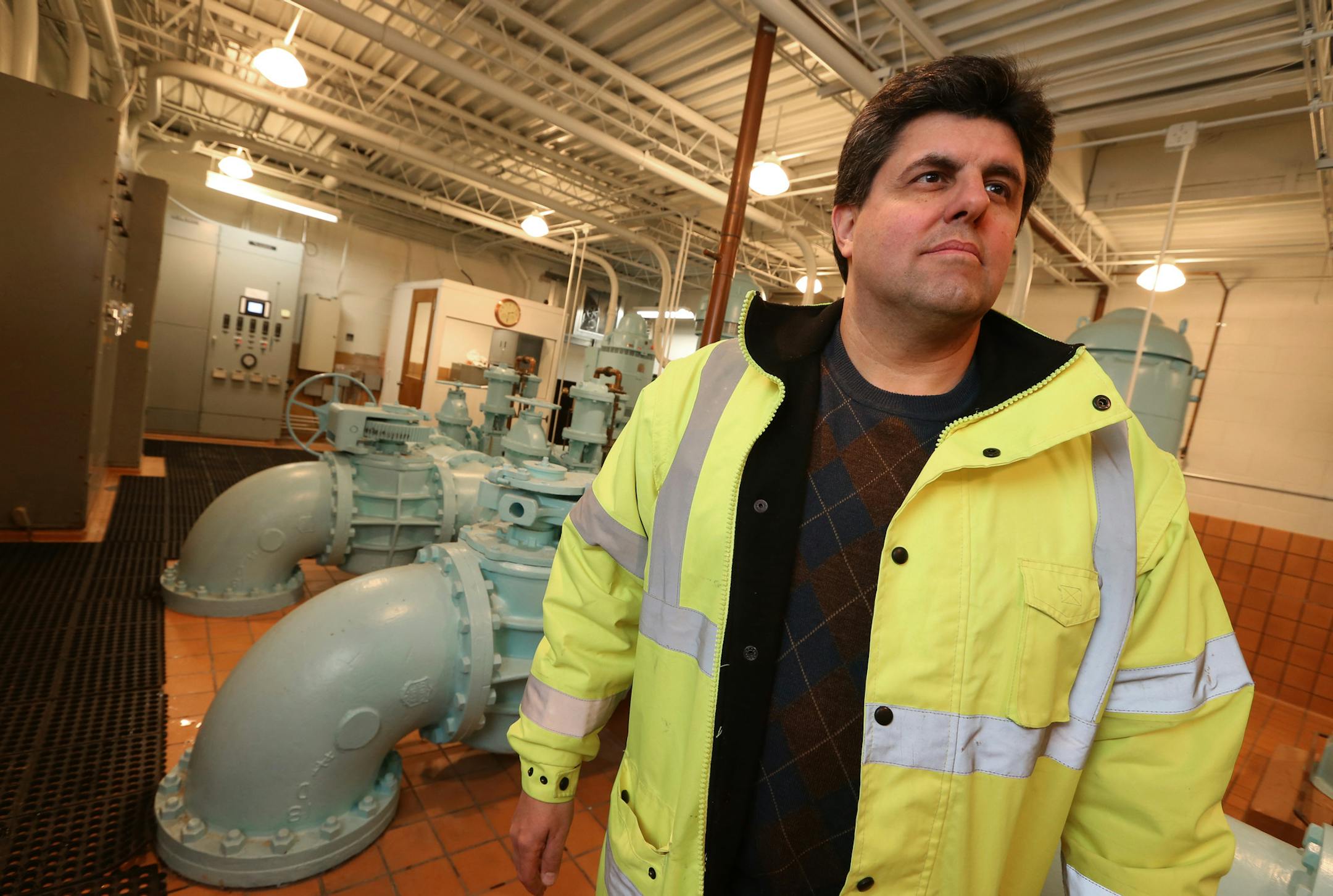
Residents of Golden Valley, Crystal and New Hope, who share a water system, came within minutes of running dry last June through an odd collision of circumstances:
A storm knocked out power to a water tower pump in Crystal, followed about two hours later by a major water main break in Robbinsdale. At the same time, the remaining water supply pipe was offline for upgrades in Golden Valley.
"We came within 30 minutes of losing water," said Golden Valley Mayor Shep Harris.
The narrowly escaped tri-city drought highlighted the lack of a water backup plan. It's an issue that had been discussed for at least five years by the Joint Water Commission that provides water for the three cities.
In January, the cities took action to solve the problem. They agreed on a $4 million plan to drill three backup wells and rehabilitate an old, unused well in New Hope, said Tom Burt, Golden Valley city manager and water commission chairman.
"It's really good to see all three councils unanimously agree on moving forward with it," said New Hope City Manager Kirk McDonald.
The commission, formed in 1963, buys water from Minneapolis for the cities, Burt said. Minneapolis draws water from the Mississippi River near the Camden Bridge. The intake plant purifies, softens, and sends 45 million to 100 million gallons a day to city residents and other customers, said Glen Gerads, director of the Minneapolis water system. Besides Golden Valley, Crystal and New Hope, the river also supplies Columbia Heights, Hilltop, parts of Edina and Bloomington and the Minneapolis-St. Paul International Airport.
Backup source lacking
A glaring problem with the river-based system is that, like the three suburbs, Minneapolis has no backup water source, officials said. That means more than 500,000 residents and commercial users could face a water shortage under several untoward scenarios, such as if a severe drought dropped the river too low or a natural or man-made disaster hit the system.