

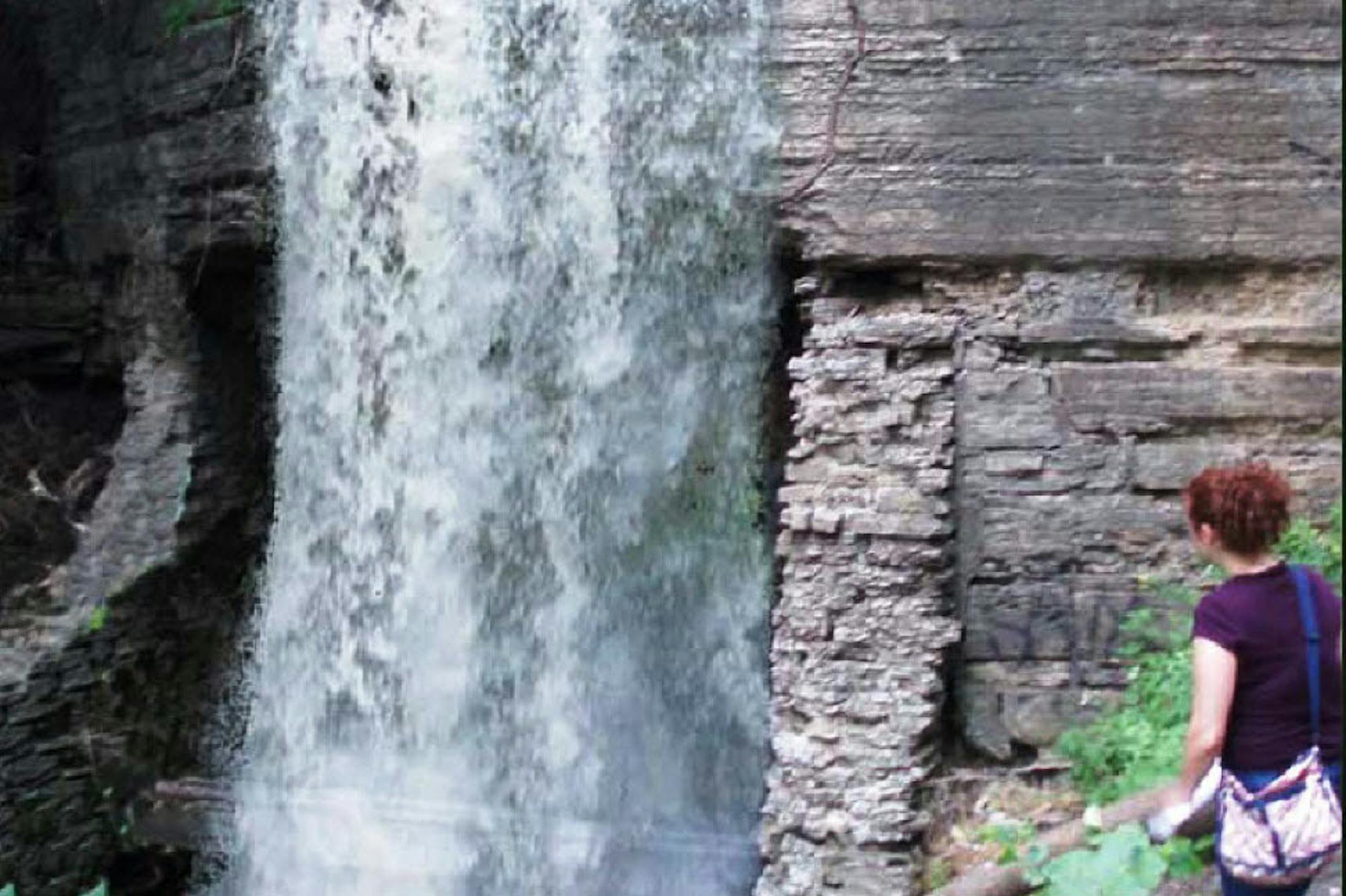
Minneapolis park officials are considering the novel idea of letting half of the grass at Nokomis and Hiawatha lakes go natural. They also are reviewing a plan for off-road bike competitions at Wirth Park. There is even a push to restore a long-dry waterfall on the Mississippi River waterfront.
Large or small, dozens of ideas for improving three Minneapolis regional parks that draw several million visitors annually are being floated in draft plans that will govern how those parks are retooled over the coming decades.
The proposals are the first large-scale rethinking of these city parks in decades and will reflect generational changes in attitudes and interests in outdoor recreation.
"You're getting into what's the new wave of how people are going to recreate in the future," said Park Board President Liz Wielinski, citing off-road cycling as one example.
How precedent-setting can these master plans be? The Nokomis-Hiawatha Regional Park is still operating under one drawn up 80 years ago in the Depression. The Metropolitan Council requires them as a condition for funneling state and metro money into regional parks; the draft plans will require tens of millions of dollars and decades to carry out.
Here's an overview of major changes proposed by each:
Wirth
The city's largest park makes up more than 10 percent of the park system, although it's mostly in Golden Valley. Former Superintendent Theodore Wirth saw it as the Minneapolis version of New York's Central Park. It's probably the park system's most wooded and secluded preserve and offers 27 holes of golf.
One main thrust of the $21 million plan is to strike a balance between winter uses such as cross-country skiing and tubing and summer uses such as golf and off-road cycling, said George Puzak, who chaired an advisory committee.


